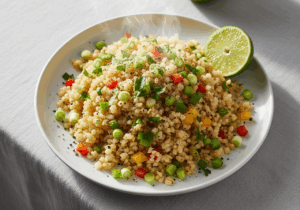

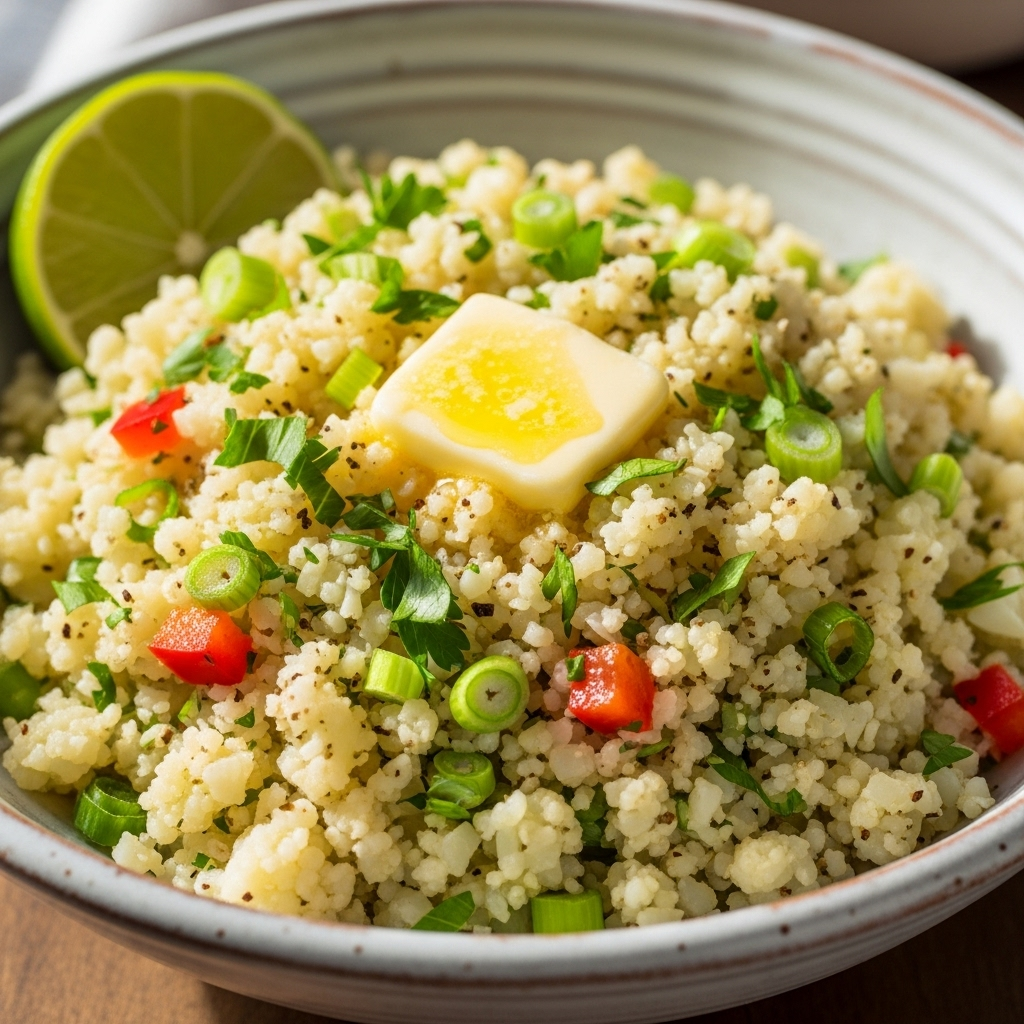
In a world where delicious meets nutritious, cauliflower rice is stealing the spotlight as the ultimate low-carb game changer. Imagine the satisfying crunch of your favorite rice dishes without the carb overload – a guilt-free pleasure that doesn’t compromise on texture or flavor. Whether you’re navigating a keto lifestyle, seeking lighter meals, or simply craving a veggie-packed twist, mastering the art of cauliflower rice opens a world of culinary possibilities. Join us as we dive into the secrets of crafting perfectly crunchy, flavorful cauliflower rice that transforms everyday meals into vibrant, healthful experiences.
Crunchy & guilt-free cauliflower rice is a transformative dish that elevates low-carb cooking to new heights. Having first discovered this versatile powerhouse in a bustling Mediterranean market, I was fascinated by how a humble cruciferous vegetable could be turned into a vibrant, crispy, and nutrient-packed choice to customary grains. The secret lies in the meticulous selection of cauliflower heads combined with expert preparation and the right cooking techniques to preserve texture and flavor. This recipe guide will empower you to master cauliflower rice with a satisfying crunch that makes every bite enjoyable and guiltlessly nourishing.
Prep and Cook Time
- Preparation: 15 minutes
- Cooking: 10 minutes
- Total Time: 25 minutes
Yield
Serves 4 as a side dish or light main course
Difficulty Level
Easy to Medium
Ingredients
- 1 large head of cauliflower, fresh and firm
- 2 tablespoons extra virgin olive oil
- 1 small shallot, finely diced
- 2 cloves garlic, minced
- 1/2 teaspoon smoked paprika
- Salt and freshly ground black pepper, to taste
- 1/4 cup chopped fresh parsley or cilantro
- 1 tablespoon lemon juice, freshly squeezed
- Optional: 1/4 cup toasted slivered almonds or pumpkin seeds for extra crunch
Instructions
- Prepare the cauliflower: remove the leaves and core from the cauliflower. cut into medium florets, then pulse in a food processor in small batches to achieve rice-sized granules. Avoid over-processing to prevent mushiness.
- Drain excess moisture: Place the riced cauliflower in a clean kitchen towel or cheesecloth and squeeze gently to remove excess water. This crucial step ensures your cauliflower rice stays fluffy and crunchy rather than soggy.
- sauté aromatics: Heat the olive oil in a large skillet over medium heat. Add the diced shallot and sauté until translucent and fragrant, about 2 minutes.Stir in the minced garlic and cook an additional 30 seconds to release its aroma.
- Cook the cauliflower rice: Add the drained cauliflower rice to the skillet. spread it evenly and sauté without stirring for about 3 minutes, allowing it to develop a light golden crust. Then toss gently and continue cooking for another 4-5 minutes, stirring occasionally to prevent sticking. Sprinkle smoked paprika, salt, and pepper evenly during cooking.
- Finish with freshness: Remove from heat and stir in the chopped parsley or cilantro and lemon juice to brighten flavors and add a fresh contrast.
- Add crunch if desired: Top with toasted slivered almonds or pumpkin seeds before serving for an added texture boost.
Tips for Success
- Choose the right cauliflower: Select heads that are heavy, dense, and firmly packed, avoiding any yellowish or wilted parts for maximum freshness.
- Dry thoroughly: Squeezing out moisture is critical to avoid a soggy outcome.Using a salad spinner before towel-drying can improve efficiency.
- Control heat: Medium heat is essential.Too high, and the cauliflower may burn before properly cooking; too low and it will steam instead of crisp.
- Experiment with flavors: Swap smoked paprika for curry powder, cumin, or chili flakes for a global twist.
- Make ahead: Cooked cauliflower rice keeps well in the fridge for 3 days. Reheat in a hot skillet to restore crunchiness rather of microwaving.
Serving Suggestions
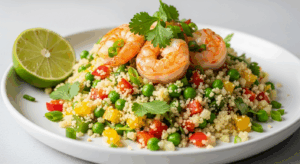
For a complete and visually stunning plate, serve this crunchy cauliflower rice alongside grilled lemon-herb chicken or seared salmon. Garnish with vibrant edible flowers or microgreens for a pop of color. A drizzle of tahini or a sprinkle of toasted sesame seeds adds nutty depth and visual contrast. Alternatively, toss with diced avocado and cherry tomatoes for a refreshing low-carb summer bowl that’s as nutritious as it is enticing.

| Nutrient | Per Serving |
|---|---|
| Calories | 110 kcal |
| Protein | 4 g |
| Carbohydrates | 7 g (Net: 4 g) |
| Fat | 7 g |
Explore more innovative low-carb culinary creations in our Keto Friendly Vegetable Recipes collection. For a deep dive into the nutritional benefits of cruciferous vegetables like cauliflower, visit the Healthline Cauliflower Benefits Guide.
Q&A
Q&A: Crunchy & Guilt-Free: Mastering Low Carb Cauliflower rice
Q1: What makes cauliflower rice a perfect low-carb alternative?
A1: Cauliflower rice is a fantastic low-carb alternative because it’s naturally low in calories and carbohydrates, yet high in fiber and nutrients. It mimics the texture of traditional rice without the carb overload, making it ideal for those watching their blood sugar or following keto, paleo, or general low-carb diets.
Q2: How do you achieve that perfect crunchy texture in cauliflower rice?
A2: The crunch comes down to proper preparation and cooking technique. First, make sure to pulse the cauliflower just enough-over-processing turns it mushy. Then, lightly sauté it in a hot pan with a bit of oil or roast it in the oven to evaporate excess moisture quickly. Avoid steaming or boiling, as these methods tend to soften it too much.
Q3: Is cauliflower rice bland, and how can you infuse it with flavor?
A3: On its own, cauliflower rice has a mild, slightly nutty flavor-like a blank canvas. Amp up the taste by tossing it with garlic, ginger, fresh herbs, or zesty citrus.Add spices like cumin, turmeric, or smoked paprika, or finish with a splash of soy sauce or coconut aminos for an umami boost.
Q4: Can cauliflower rice be used in dishes beyond just a rice substitute?
A4: Absolutely! Think of cauliflower rice as a versatile ingredient. Use it as a base for grain bowls, stuff it into peppers, mix it into omelets, or bake it into low-carb pizza crusts. Its subtle flavor and adaptable texture let it shine in countless creative recipes.
Q5: How should cauliflower rice be stored to maintain freshness and crunch?
A5: Store cauliflower rice in an airtight container in the fridge and use it within 3-4 days. If freshly made, pat it dry with paper towels before storing to remove excess moisture. For longer storage, freeze it flat in portioned bags-just thaw and reheat in a hot pan to revive the crunch.
Q6: Is cauliflower rice a good source of nutrients?
A6: Yes! Cauliflower is rich in vitamins C, K, and B6, as well as fiber and antioxidants. While it’s not a carb powerhouse, it packs a nutritional punch that supports digestion, immunity, and overall health.
Q7: Can beginners easily make cauliflower rice at home?
A7: Definitely! All you need is a food processor (or a box grater if you don’t have one), a hot skillet, and a handful of fresh cauliflower florets. With a few simple steps,you’ll have a guilt-free,crunchy rice alternative ready to elevate any meal.
Insights and Conclusions
Whether you’re a seasoned low-carb enthusiast or just beginning to explore healthier alternatives, mastering cauliflower rice opens up a world of crunchy, guilt-free possibilities. This versatile ingredient not only satisfies your cravings for texture and flavor but also empowers you to create vibrant, nutritious meals without the carb overload. Embrace the crunch, experiment with spices, and let cauliflower rice become your delicious secret weapon in the journey toward wholesome eating. Here’s to savoring every bite-light, fresh, and utterly satisfying.