
In the vibrant world of global cuisine, few dishes captivate the senses quite like Thai green curry. A harmonious blend of bold spices,fragrant herbs,and creamy coconut milk,this iconic dish tells a story of culture,tradition,and culinary artistry. Unlocking the flavors of authentic Thai green curry is more than just following a recipe-it’s an exploration into the delicate balance of heat, sweetness, and freshness that defines Thai cooking. join us as we delve into the art behind this beloved dish, uncovering the secrets that transform simple ingredients into a symphony of taste that dances on the palate and transports you straight to the heart of Thailand.
Unlocking Flavors: The Art of Authentic Thai Green Curry
Unlocking flavors in Thai green curry means embracing the vivid harmony of fresh herbs, spices, and creamy coconut that create a taste experience unlike any other.This iconic dish combines bold aromatics with rich textures, revealing layers of complexity that celebrate the culinary traditions of Thailand. From bustling street markets in Bangkok to home kitchens worldwide, crafting the perfect green curry requires an understanding of its fundamental elements and techniques, inviting both seasoned cooks and adventurous food lovers to dive into its vibrant world.
Prep and Cook Time
- Readiness: 20 minutes
- Cooking: 30 minutes
- Total Time: 50 minutes
Yield
- Serves 4 generously
Difficulty Level
- Medium – Requires some prep and balancing of flavors
Ingredients
- For the Green curry Paste:
- 4 green chilies, deseeded for mild heat
- 2 shallots, peeled and chopped
- 4 cloves garlic
- 1-inch piece fresh galangal, sliced
- 1 stalk lemongrass, white part only, finely chopped
- 2 kaffir lime leaves, finely shredded
- 1 teaspoon coriander seeds
- 1/2 teaspoon cumin seeds
- 1/2 teaspoon white peppercorns
- 1 tablespoon shrimp paste
- 1/4 cup fresh cilantro stems
- For the Curry:
- 1 can (400 ml) coconut milk, full fat
- 2 tablespoons vegetable oil
- 500 grams chicken thigh, sliced thinly (can substitute with tofu or shrimp)
- 150 grams Thai eggplants, quartered (or substitute with small globe eggplants)
- 1 cup bamboo shoots, drained
- 5 kaffir lime leaves, torn
- 2 tablespoons fish sauce
- 1 tablespoon palm sugar (or light brown sugar)
- Fresh Thai basil leaves, handful
- Lime wedges, for serving
Instructions
- Prepare the Curry Paste: In a dry skillet, toast coriander seeds, cumin seeds, and white peppercorns over medium heat untill fragrant (about 2 minutes). Grind them finely using a mortar and pestle or spice grinder.
- Add green chilies, shallots, garlic, galangal, lemongrass, kaffir lime leaves, cilantro stems, and shrimp paste to the grounded spices. Pound or blend into a smooth paste. Tip: Add a splash of water or oil if needed to ease blending.
- Cook the Paste: Heat vegetable oil in a deep skillet or wok over medium heat. add the curry paste and sauté until aromatic and glistening, about 3-5 minutes, stirring constantly to prevent burning.
- Add Coconut milk: Pour 2/3 of the coconut milk into the pan. Stir to combine and simmer gently until the oil begins to separate and the sauce thickens (around 5 minutes), intensifying the flavors.
- Incorporate Server Proteins and Vegetables: Add the sliced chicken thighs,stirring to coat with the curry sauce. Cook for 5 minutes until the chicken starts to firm.
- Add Thai eggplants, bamboo shoots, and torn kaffir lime leaves. Pour in the remaining coconut milk and bring to a gentle simmer,cooking until vegetables are tender and the chicken is fully cooked,about 10 minutes.
- Seasoning: Stir in fish sauce and palm sugar,balancing salty,sweet,and spicy layers. Taste and adjust seasoning if necessary. The curry should have a creamy texture without feeling too heavy.
- Turn off heat and fold in fresh Thai basil leaves for an aromatic finish.
- Serve Promptly: Transfer curry to a warmed bowl, garnished with extra Thai basil and lime wedges.
Tips for success
- Freshness is key: Use fresh herbs and spices for the most vibrant flavor. If unavailable, consider asian markets or online specialty stores.
- balancing heat: Adjust the number of green chilies according to your heat preference.Removing seeds reduces spiciness.
- Protein flexibility: Substitute chicken with tender shrimp, firm tofu, or thinly sliced pork for variety while preserving authenticity.
- Creamy texture: Use full-fat coconut milk for richness. Stir gently to avoid separation or curdling.
- make-ahead curry paste: The paste can be prepared and refrigerated up to 3 days or frozen for up to a month, making quick meals a breeze.
- traditional tools: A mortar and pestle give the best texture for the curry paste, but a high-speed blender works well when fresh ingredients are blended in small batches.
Serving Suggestions
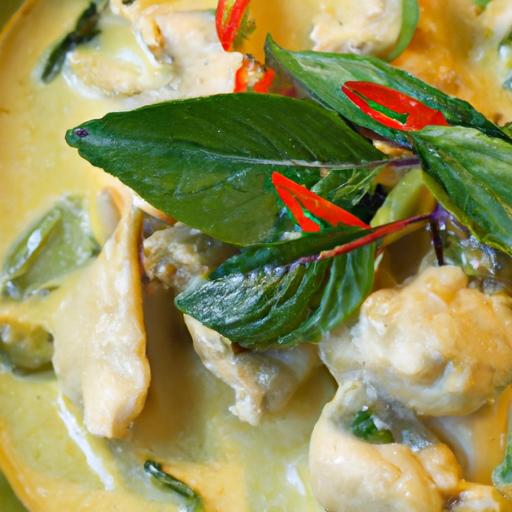
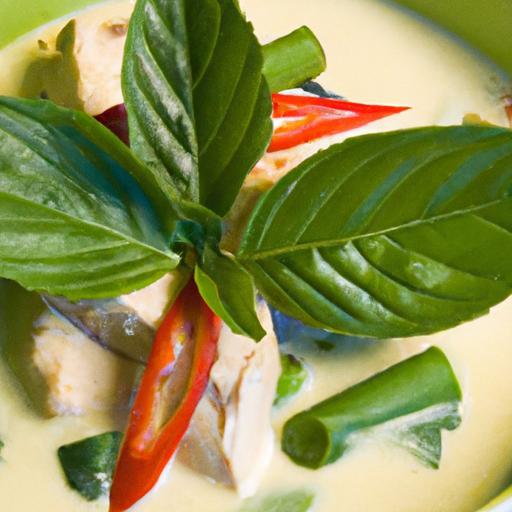
This Thai green curry pairs beautifully with steamed jasmine rice, which soaks up the aromatic sauce perfectly. For an authentic presentation, serve the curry in a vibrant ceramic bowl, garnished with sprigs of Thai basil, thinly sliced red chili for color contrast, and fresh lime wedges to squeeze over just before eating. complement the meal with a crisp papaya salad or light cucumber relish to counterbalance the curry’s richness, creating a well-rounded Thai feast.
| Nutrient | Per Serving |
|---|---|
| Calories | 420 kcal |
| Protein | 32 g |
| Carbohydrates | 14 g |
| fat | 28 g |

Discover more about the world of Thai cooking with our essential Thai cuisine guide, or deepen your spice skills by exploring this comprehensive history of curry from Britannica.
Q&A
Q&A: Unlocking Flavors – The Art of Authentic Thai Green Curry
Q1: What makes Thai green curry truly authentic?
A1: Authentic Thai green curry is a harmonious blend of fresh, vibrant ingredients – think pungent green chilies, fragrant kaffir lime leaves, galangal, and creamy coconut milk. It’s not just the ingredients, but the balance: spicy heat tempered by sweetness, creamy richness, and an herbal brightness that sings in every spoonful. True authenticity honors traditional preparation methods, including hand-pounding the green curry paste with a mortar and pestle to release the layered flavors.
Q2: Why is the color green so crucial in this curry?
A2: the green hue isn’t just for show; it comes primarily from fresh green chilies and fragrant herbs, symbolizing the curry’s fresh and lively character. This vibrant color indicates the use of fresh ingredients rather than dried powders, which tend toward duller, more muted shades. The radiant green also previews the bold, fresh flavors that define this dish.
Q3: Can you describe the foundational ingredients that shape the flavor profile?
A3: Absolutely! Fresh green chilies provide the heat, galangal adds a peppery, almost pine-like spice, kaffir lime leaves contribute a citrusy aroma, and lemongrass lends a sharp, lemony freshness. Coconut milk smooths everything out with its creamy sweetness, while fish sauce and shrimp paste add essential umami depth. Together,these ingredients weave a tapestry of spicy,sweet,savory,and aromatic notes.
Q4: How does authentic Thai green curry differ from Western adaptations?
A4: Western versions often dial down the spice level and sometimes rely on pre-made curry pastes or powders, losing some of that fresh brightness. Authentic green curry emphasizes fresh herbs and spices ground by hand, balancing heat with nuanced layers of flavor. Plus, traditional cooking involves carefully simmering the curry paste in coconut milk until fragrant before adding proteins and vegetables, ensuring a luscious, integrated sauce rather than a thin, overly sweet broth.
Q5: What proteins and vegetables work best in green curry?
A5: Classic Thai green curry often features tender pieces of chicken, but duck, pork, shrimp, or even tofu are excellent choices. Vegetables like Thai eggplants,bamboo shoots,pea eggplants,and sweet basil leaves are traditional,contributing texture and enhancing the flavor complexity. The key is freshness and balance-nothing too overpowering or too mild.
Q6: Any tips for home cooks wanting to try their hand at authentic green curry?
A6: Start with fresh, high-quality ingredients, and if possible, make your curry paste by hand using a mortar and pestle-that extra effort pays off in fragrance and depth. Don’t rush the initial frying of the paste in coconut milk; this step unlocks the essential aromas. Taste frequently as you cook, adjusting fish sauce, sugar, and chili to find your perfect balance of sweet, salty, and spicy. And serve it fresh with fragrant jasmine rice to soak up every last drop.
Q7: Why is green curry considered an art in Thai cuisine?
A7: As mastering it requires an intuitive dance of technique, timing, and ingredient harmony. Each component must meld without overpowering the others,crafting a dish that’s both comforting and exhilarating.It’s a living tradition-passed down through generations-where even subtle variations can transform the experience. Unlocking green curry’s true flavor is both a sensory journey and a party of Thai cultural heritage.
To Wrap It Up
As the vibrant layers of Thai green curry unfold-from the fragrant punch of fresh herbs to the creamy embrace of coconut milk-it’s clear that this iconic dish is more than just a meal; it’s a journey through Thailand’s rich culinary heritage. Unlocking its flavors requires both respect for tradition and a touch of adventurous spirit, inviting cooks to balance heat, sweetness, and aromatic depth with every simmer. Whether you’re a seasoned chef or a curious home cook, mastering authentic thai green curry opens a gateway to endless creativity and cultural connection-proving that the art of flavor is truly a craft worth savoring.