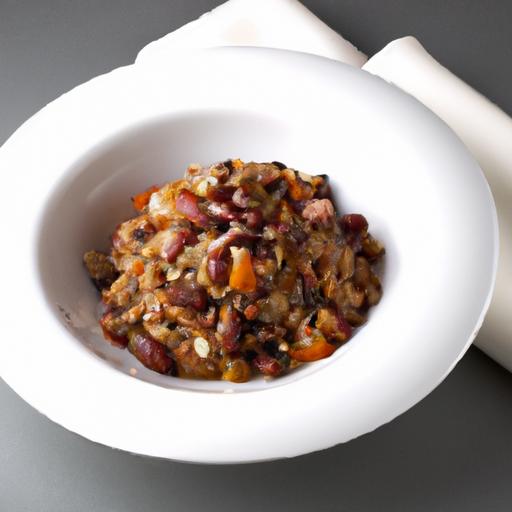

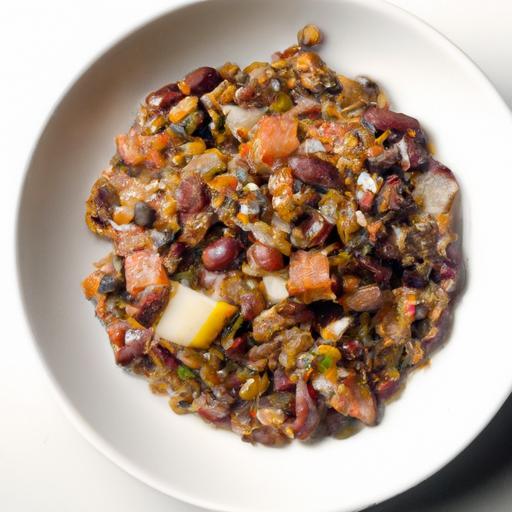
Lentils: humble little legumes that frequently enough play the quiet supporting role in our meals, yet possess a hidden world of flavor, nutrition, and versatility waiting to be unlocked. Whether you’re a seasoned home cook or a culinary newcomer, mastering lentils can transform your kitchen repertoire, adding depth and satisfaction to everything from soups and salads to hearty stews and exotic dishes.
In this guide,we’ll delve into the art and science of cooking lentils perfectly every time-no more mushy disappointments or undercooked bites-so you can savor their earthy goodness with confidence and creativity. Ready to elevate these tiny powerhouses from pantry staple to star ingredient? Let’s get cooking!
Mastering Lentils begins with understanding the vibrant spectrum of varieties available and learning how to coax out their moast flavorful and tender qualities.Whether you’re craving the earthy warmth of brown lentils or the delicate sweetness of red ones, this guide will empower you to choose and prepare each type to perfection, promising a culinary adventure that’s both approachable and rewarding.
Choosing the Perfect Lentils for Your Culinary Adventure
When it comes to lentils, variety truly is the spice of life. Brown lentils offer a hearty texture ideal for stews and soups, standing up well to slow cooking. green lentils are prized for their firm texture and peppery flavor, making them perfect for salads and side dishes where a bit of bite is welcome. Red and yellow lentils cook quickly and tend to soften into a creamy puree, perfect for curries and dal.For something unique, black beluga lentils add elegance with their glossy sheen and rich taste, ideal for sophisticated plated dishes.
Choosing the right lentil is the first step in mastering their potential, setting the foundation for texture, flavor, and how they pair with your seasonings.
Soaking and Preparing Lentils for Optimal Texture and Flavor
Although lentils don’t require soaking like other legumes, a short rinse and soak can improve cooking uniformity and digestibility. Rinse your lentils under cold water until it runs clear to remove dust and impurities.
- Optional soaking: For firmer lentils, soak for 1 hour before cooking. This reduces cooking time and can enhance digestibility.
- Discard debris: Always pick through lentils to remove small stones or damaged grains.
Pre-soaking can also be a time-saver and prevent splitting for varieties like green and brown lentils, ensuring a consistent texture that’s delightfully tender yet intact.
Mastering Cooking Times for perfect Tenderness
The secret to luscious lentils lies in their cooking precision. Overcooking can cause mushiness; undercooking leaves them hard and unpleasant. Here’s a handy guideline for each common type:
- Red and yellow lentils: 15-20 minutes, turning soft and creamy.
- Brown lentils: 20-25 minutes, tender but retaining shape.
- Green lentils: 25-30 minutes, firm to bite.
- Black beluga lentils: 25-30 minutes, tender with a slight bite.
Cook lentils in ample water, using a 3:1 ratio of water to lentils, and bring to a gentle simmer uncovered or partially covered for best results. Salt towards the end of cooking to avoid toughening the skins.
Enhancing Lentils with Seasonings and Complementary ingredients
Lentils eagerly soak up the flavors around them, making seasoning a joyful exercise in creativity. Begin with aromatic bases like garlic, onions, and ginger, sautéed lightly to release their fragrance. Add ground spices such as cumin, coriander, and turmeric for warmth, or fresh herbs like cilantro and parsley to add brightness at the finish.
Include acidic touches such as lemon juice or vinegar to elevate layers of flavor. Toasted nuts and crisp vegetables offer texture contrasts, while a drizzle of olive oil or a dollop of yogurt can enrich the mouthfeel.
This balance of seasoning and ingredients showcases each lentil’s unique charm, transforming humble pulses into memorable dishes.
Prep and Cook Time
- Readiness: 10 minutes (plus optional soaking time)
- Cooking: 15-30 minutes depending on lentil variety
Yield
Serves 4 generously as a main or 6 as a side dish.
Difficulty Level
Easy – Ideal for cooks of all experience levels looking to master legumes.
Ingredients
- 1 cup dried lentils (choose from brown, green, red, or black beluga)
- 3 cups water or vegetable broth for deeper flavor
- 1 medium onion, finely chopped
- 2 cloves garlic, minced
- 1 tbsp olive oil
- 1 tsp ground cumin
- ½ tsp turmeric powder
- Salt and freshly ground black pepper to taste
- ½ lemon, juiced
- Fresh cilantro or parsley for garnish
Instructions
- Rinse the lentils under cold water until clear; optionally, soak for 1 hour to improve cooking time and digestibility.
- Heat olive oil in a medium saucepan over medium heat. Sauté onion and garlic for 4-5 minutes until translucent and fragrant, stirring frequently enough.
- Add cumin and turmeric, stirring for 1 minute to toast the spices gently.
- Drain lentils and add them to the pan, stirring to coat in the aromatics.
- pour in water or broth and bring to a gentle boil. Reduce heat, partially cover, and simmer according to lentil type (15-30 minutes), stirring occasionally.
- Check lentils near the end of cooking; season with salt and pepper. Simmer uncovered briefly if needed to adjust texture.
- Remove from heat, stir in lemon juice, and garnish with fresh herbs before serving.
Chef’s Notes
- For creamier results, mash a portion of cooked lentils before adding lemon juice.
- Substitute vegetable broth with chicken broth for a non-vegetarian option.
- If using canned lentils, reduce cooking time to warming through (3-5 minutes).
- Try adding diced tomatoes or coconut milk for regional flavor variations.
- Make ahead by cooking lentils fully; store refrigerated up to 5 days or freeze for 2 months.
Serving Suggestions
Serve these perfectly cooked lentils atop a bed of fluffy basmati rice or alongside warm naan bread. Drizzle with extra virgin olive oil and scatter toasted pine nuts or diced avocado for an inviting texture contrast. A crisp green salad with citrus vinaigrette complements the hearty flavors remarkably well. Finish with a sprinkling of fresh herbs and a lemon wedge for an uplifting, vibrant presentation.

| Nutrient | amount (per 1 cup cooked) |
|---|---|
| calories | 230 |
| Protein | 18 g |
| Carbohydrates | 40 g |
| Fat | 0.8 g |
for more inspiration on legume-based dishes,check our hearty bean and lentil stew recipes.Learn more about legumes’ nutritional benefits via Harvard T.H. Chan School of public Health.
Q&A
Q&A: Mastering Lentils – Your Guide to Perfect Cooking Every Time
Q1: Why are lentils considered a superfood?
A1: Lentils punch well above their weight when it comes to nutrition. packed with protein, fiber, iron, and essential vitamins, they fuel your body while supporting heart health and digestion. plus, they’re affordable and adaptable, making them a kitchen superhero!
Q2: What’s the first step to mastering perfectly cooked lentils?
A2: Preparation is everything! Start by sorting through your lentils to remove any tiny stones or debris. Then give them a good rinse under cold water. Unlike some legumes, lentils don’t need soaking, which makes them a speedy go-to ingredient.
Q3: how do cooking times vary between different types of lentils?
A3: Ah, the lentil family is diverse! Green or brown lentils tend to take about 20-30 minutes to become tender but still hold their shape. Red and yellow lentils cook faster-usually 15-20 minutes-and often turn mushy, perfect for soups and dals. Black beluga lentils take longer, about 25-30 minutes, and have a lovely firm texture.
Q4: Should I add salt before or after cooking lentils?
A4: Patience pays off here. Salt added too early can toughen lentils and lengthen cooking time. For best results, add salt towards the end of cooking. This way, the lentils soften perfectly and absorb seasoning beautifully.
Q5: What’s the secret to flavorful lentils beyond basic cooking?
A5: layer your flavors! Begin by toasting spices like cumin, coriander, or mustard seeds in a hot pan to release their aroma. Then sauté onions, garlic, or ginger before adding lentils and cooking liquid. Finish with fresh herbs,a splash of citrus,or a drizzle of quality olive oil to brighten and elevate your dish.
Q6: Can I use lentils in dishes beyond soups and stews?
A6: Absolutely! Lentils are culinary chameleons. Use cooked lentils as a protein-packed salad topper, blend them into veggie patties, stuff them in wraps or peppers, or even whip up a creamy lentil dip. their earthy flavor and satisfying texture lend themselves to endless creative recipes.
Q7: How can I store cooked lentils to maximize freshness?
A7: Let cooked lentils cool completely, then store them in an airtight container in the fridge for up to 5 days. For longer storage, freeze portions in freezer-safe bags or containers for up to 3 months. when reheating, add a splash of water or broth to keep them moist and tender.
Q8: What common pitfalls should I avoid when cooking lentils?
A8: Avoid overcooking if you want lentils that hold their shape-keep an eye on timing! Also, don’t forget to rinse and sort your lentils first. Lastly, steer clear of adding acidic ingredients like tomatoes or vinegar too early; they can slow down cooking and toughen lentils. Add them closer to the finish line instead.
Master these tips, and your lentil dishes will transform from humble side to favorite crowd-pleaser. Happy cooking!
the Way Forward
As you embark on your lentil-cooking journey, remember that mastery comes with a blend of patience, practice, and a pinch of curiosity. These humble legumes, packed with flavor and nutrition, can transform from overlooked pantry staples into star ingredients that elevate every meal. With the tips and techniques shared in this guide, you’re now equipped to treat lentils not just as food, but as culinary allies-ready to adapt to any recipe, from hearty stews to vibrant salads. So go ahead, experiment, savor, and enjoy the rich, earthy satisfaction that onyl perfectly cooked lentils can bring. Your path to lentil mastery starts now, one flavorful bite at a time.