
In a world constantly searching for the secret to a healthy heart, sometimes the simplest solutions lie hidden in the grains we often overlook. Whole grains, nature’s powerhouse of nutrients, have been quietly supporting cardiovascular wellness for centuries.
From the hearty nutty crunch of quinoa to the timeless embrace of oats, these humble seeds pack a punch that can help lower cholesterol, reduce inflammation, and keep your heart beating strong-naturally. join us as we explore the top whole grains that can transform your diet and give your heart the boost it deserves, one flavorful bite at a time.
Top whole grains to boost your heart health naturally unlock a world of flavor and nutrition that can transform every meal into a nourishing celebration. From the rustic fields of quinoa in the Andes to the golden fields of barley in Europe, these grains carry centuries of tradition and vibrant health benefits. Including them in your diet not only enhances the taste and texture of your dishes but also plays a powerful role in supporting cholesterol management and a balanced blood pressure. Let’s explore how these nutrient powerhouses can be seamlessly woven into your daily menu.
Prep and Cook Time
- Preparation: 10 minutes
- Cooking: 20 minutes
- Total Time: 30 minutes
Yield
Serves 4 as a satisfying side or base for mains
Difficulty Level
Easy – perfect for beginners and seasoned cooks alike
Ingredients
- 1 cup whole grain quinoa,rinsed thoroughly
- 2 cups low-sodium vegetable broth (for cooking quinoa)
- 1 tablespoon extra virgin olive oil
- 1 medium shallot,finely chopped
- 1 cup chopped kale,stems removed
- 1/2 cup cherry tomatoes,halved
- 1/4 cup toasted walnuts,roughly chopped
- Juice of 1 lemon
- Salt and freshly ground black pepper to taste
- Optional garnish: fresh parsley,crumbled feta cheese (for extra richness)
Instructions
- Rinse the quinoa under cold water using a fine-mesh sieve to eliminate its natural bitter coating.
- In a medium saucepan, bring the vegetable broth to a boil. Add quinoa, reduce heat to low, cover, and simmer gently for 15 minutes or until all liquid is absorbed. Remove from heat and let it sit, covered, for 5 minutes.
- While quinoa cooks,heat olive oil in a large skillet over medium heat. Add the shallot and sauté until translucent and fragrant, about 3-4 minutes.
- Add the chopped kale and sauté until wilted but still vibrant green, approximately 3-5 minutes. stir occasionally to ensure even cooking.
- Fluff the cooked quinoa with a fork and transfer it to the skillet.Mix gently to combine with the kale and shallots.
- Stir in halved cherry tomatoes and toasted walnuts for a delightful crunch and fresh burst of flavor.
- Remove from heat. Drizzle the lemon juice over the mixture, season generously with salt and pepper, and toss lightly to marry all flavors.
- Serve warm or at room temperature, garnished with fresh parsley and crumbled feta if desired.
Tips for Success
- Substitutions: Swap kale for spinach or Swiss chard for a softer texture.
- Make ahead: Prepare quinoa in advance and store it refrigerated for up to 3 days; add fresh vegetables just before serving for brightness.
- Texture tip: Toast walnuts lightly in a dry pan for 2 minutes to amplify their nuttiness.
- Flavor twist: Add a teaspoon of smoked paprika or a pinch of red chili flakes to the sauté for a subtle smoky heat.
- For gluten-free meals: Ensure your broth is certified gluten-free or use water with added herbs.
Serving suggestions
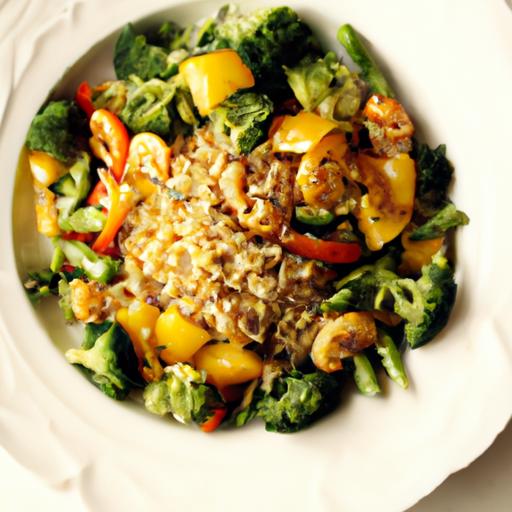
This colorful quinoa and kale medley makes a versatile base for lean proteins like grilled salmon or spiced chicken breast. Pair with a crisp cucumber salad for a refreshing contrast. To elevate, drizzle with a tahini lemon dressing or sprinkle with toasted sesame seeds for added texture. Visually, serve in a rustic earthen bowl, garnished with vibrant parsley leaves and wedges of lemon on the side for that pop of freshness.
| Nutrient | Amount per Serving |
|---|---|
| Calories | 280 kcal |
| Protein | 9 g |
| Carbohydrates | 34 g |
| Fat | 11 g |
| Fiber | 5 g |

Discover more about how whole grains support heart health at American Heart Association.
Q&A
Q&A: Top Whole Grains to Boost Your Heart Health naturally
Q1: Why should I include whole grains in my diet for heart health?
A1: whole grains are nutritional powerhouses packed with fiber, vitamins, minerals, and antioxidants. These components work together to lower cholesterol, reduce blood pressure, and improve blood vessel function – all crucial factors in maintaining a healthy heart naturally.
Q2: What exactly counts as a whole grain?
A2: A whole grain contains all three parts of the grain kernel – the bran, germ, and endosperm. Unlike refined grains, which remove these nourishing layers, whole grains preserve the full nutrient package. Examples include oats, brown rice, quinoa, barley, and whole wheat.
Q3: Which whole grains are the best heart boosters?
A3: Some standout heart-pleasant whole grains are:
- Oats: Rich in beta-glucan fiber, oats help lower LDL (bad) cholesterol and stabilize blood sugar.
- Quinoa: A complete protein with healthy fats and antioxidants, quinoa supports heart health while keeping you full longer.
- Barley: Another fiber superstar, barley can reduce cholesterol and improve blood vessel elasticity.
- Brown Rice: Loaded with magnesium and fiber, brown rice assists in regulating blood pressure and improving artery function.
- Farro: An ancient grain high in fiber and nutrients, farro can definitely help reduce inflammation and promote heart health.
Q4: How much whole grain should I eat daily for heart benefits?
A4: Aim for at least 3 servings of whole grains a day – that’s about 48 grams of whole grains. A serving could be a half-cup cooked oats, one slice of whole-grain bread, or half a cup of cooked quinoa or brown rice.
Q5: Can switching to whole grains really make a difference in my heart health?
A5: Absolutely! Studies show that people who consume whole grains regularly have a significantly lower risk of heart disease compared to those who mainly eat refined grains. Whole grains help reduce inflammation,improve cholesterol levels,and support healthy blood pressure.
Q6: Any creative ways to add more whole grains to my meals?
A6: Embrace the grain rainbow! Sprinkle cooked quinoa on salads, swap white rice for brown rice or barley, enjoy overnight oats for breakfast, or experiment with farro in soups and stews. Whole grains add texture, flavor, and a heart-happy boost to every bite.
Q7: Are there any tips to keep whole grains fresh and tasty?
A7: Store grains in airtight containers in a cool, dry place to keep them fresh longer. Toasting grains lightly before cooking can enhance their nutty flavor. And don’t forget to rinse grains like quinoa well to remove any bitterness.
Q8: Is it safe for everyone to eat whole grains?
A8: For most people, yes! Whole grains are a healthy addition to any balanced diet.However, those with gluten sensitivities or celiac disease should avoid gluten-containing grains like wheat, barley, and farro, and opt for gluten-free whole grains such as quinoa and brown rice.
Embrace whole grains as your heart’s delicious allies! With each hearty bite, you’re naturally nourishing your ticker – one wholesome grain at a time.
In Summary
Embracing the power of whole grains is more than just a dietary choice-it’s a heartfelt commitment to nourish your body from the inside out. By weaving these nutrient-packed grains into your meals, you’re not only adding delicious textures and flavors but also fortifying your heart’s natural rhythm.From the hearty bite of quinoa to the comforting warmth of oats, each grain offers a unique symphony of benefits that work harmoniously to support cardiovascular wellness. So, as you embark on this wholesome journey, remember that every spoonful is a step toward a healthier, stronger heart-naturally and deliciously. Your heart will thank you for it.