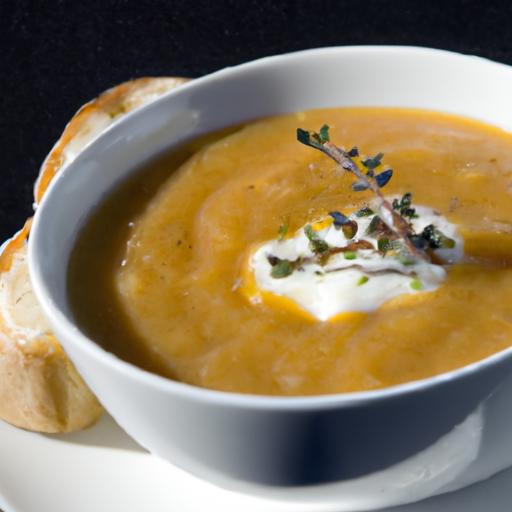


There’s something undeniably comforting about a warm bowl of soup-its soothing aroma, the gentle swirl of flavors, and that perfect velvety texture that invites you to savor every spoonful. But achieving that luscious thickness without resorting to the usual flour or cornstarch can feel like a culinary mystery.
Fear not, for beneath the surface of your favorite recipes lie ingenious, flour-free secrets that transform simple soups into silky masterpieces. In this article, we’ll unravel soup’s best-kept thickening tricks-natural, creative, and surprisingly simple methods that bring depth and creaminess without the need for flour’s magic. Get ready to stir up your soup game with techniques that are as nourishing as they are delicious!
Unlocking Natural Creaminess with Pureed vegetables
Soup’s Secret: Thickening Tricks Without Flour Magic begins with the gentle alchemy of pureed vegetables. This method transforms simple, wholesome ingredients into luxuriously creamy textures without a single grain of flour.
Imagine the velvety smoothness of butternut squash or cauliflower blending seamlessly into your broth, naturally enriching its body while adding layers of subtle, earthy sweetness. This technique not only enhances texture but also deepens flavor profiles, making every spoonful a nourishing delight.
Harnessing the Power of Starchy Roots and Tubers
Starchy roots like potatoes, parsnips, and sweet potatoes are culinary marvels when it comes to thickening. When cooked and pureed, their inherent starches unlock a hearty, smooth consistency that elevates soups from thin brothy bases to satisfying bowls of comfort.The key is to cook these tubers until tender, then blend until silky-no additional thickeners required. This natural starch release creates a beautifully dense mouthfeel that simmers harmoniously with spices and herbs.
Elevating Texture Using Nuts and Seeds
To introduce a subtle nuttiness and creamy richness, ground nuts and seeds are extraordinary allies. Cashews soaked overnight or blanched almonds pulsed into a fine cream dissolve effortlessly into soups, yielding a luscious texture with a hint of wholesome indulgence.this approach not only thickens but contributes healthy fats and nuanced flavors, making your dishes layered and intriguing. For an even lighter touch, try tahini or sunflower seed butter-each adding a unique character without overpowering your flavor canvas.
Embracing Reduced Liquids and Slow Simmering Techniques
Sometimes, the simplest method is the most profound. By reducing soups gently over low heat, excess liquid evaporates, naturally intensifying flavors and thickening the broth without any additives. Slow simmering allows ingredients to fully meld and release their natural essences, transforming plain liquids into rich, deeply complex bases. This patient process lets you control the consistency perfectly, resulting in spoonfuls that coat and comfort, inviting you to savor every bite.
Prep and Cook Time
- Readiness: 15 minutes
- Cooking: 45 minutes
- Total Time: 1 hour
Yield
4 hearty servings
Difficulty Level
Easy to Medium
Ingredients
- 1 cup butternut squash, peeled and cubed
- 1 medium potato, peeled and diced
- 1 small onion, chopped
- 2 cloves garlic, minced
- 4 cups vegetable broth
- ½ cup raw cashews, soaked for 2 hours
- 1 tablespoon olive oil
- Salt and pepper, to taste
- 1 teaspoon fresh thyme leaves
- Juice of ½ lemon
instructions
- Prepare the vegetables: Heat olive oil in a large pot over medium heat. Add the chopped onion and garlic, sautéing until fragrant and translucent, about 5 minutes.
- Add roots and broth: Stir in butternut squash, potato, and thyme. Pour in the vegetable broth and bring to a gentle boil.
- Simmer slowly: Reduce heat to low and simmer uncovered for 30 minutes, or until the vegetables are tender and easily pierced with a fork.
- Drain and puree cashews: Meanwhile, drain the soaked cashews and blend with ¼ cup hot water until smooth and creamy. Set aside.
- Blend the soup: Using an immersion blender or in batches with a regular blender, puree the soup until smooth and creamy.
- Incorporate cashew cream: Stir the cashew cream into the blended soup. Simmer gently for another 5 minutes to marry the flavors, adding salt, pepper, and lemon juice to taste.
- Adjust thickness and seasoning: If the soup is too thick, add a splash of broth; if too thin, continue simmering to reduce and thicken further.
- Serve warm: Ladle into bowls and garnish with fresh thyme or a drizzle of olive oil.
Tips for Success
- For a naturally gluten-free and vegan option, this method shines without need for flour or cream.
- Soaking nuts improves blendability and yields a silkier texture-don’t skip this step.
- Don’t rush the simmering process; slow reduction concentrates natural sweetness and depth.
- Experiment with other tubers like sweet potatoes or parsnips for flavor variations.
- Make ahead and refrigerate-the soup thickens beautifully overnight and can be thinned with broth when reheated.
Serving Suggestions
Serve this creamy, nourishing soup with a crisp green salad and crusty whole-grain bread for a balanced meal. Garnish with freshly chopped herbs like parsley or chives, a swirl of coconut cream, or toasted pumpkin seeds for an added crunch and visual appeal. A sprinkle of smoked paprika or a drizzle of chili oil also pairs wonderfully to elevate the sensory experiance.

| Nutrient | Per Serving |
|---|---|
| Calories | 185 |
| Protein | 6g |
| Carbohydrates | 28g |
| Fat | 6g |
For more thickening techniques and creative twists on healthy soups, check out our Pureed Vegetable Soup Ideas. To deepen your knowledge on the role of starches in cooking, visit Cook’s Illustrated: The Science of Thickening Agents.
Q&A
Q&A: Soup’s Secret – Thickening Tricks Without flour Magic
Q1: Why should I consider thickening soup without flour?
Flour is a classic thickener, but it’s not always the best choice. Some people avoid gluten, want a lighter texture, or simply crave bold, natural flavors. Flour can sometimes mute a soup’s vibrancy or cause unwanted cloudiness. Exploring alternatives unlocks new depths of taste and texture-no magic wand needed.
Q2: What are some natural ingredients that can thicken soup without flour?
Nature offers a pantry full of thickening wonders! Pureed vegetables like potatoes, carrots, or squash add creamy richness. Starchy legumes such as lentils or chickpeas provide body and protein. nut butters, like almond or cashew, lend silkiness and subtle nuttiness.Even cooked rice or oats can work their thickening charm.
Q3: How does pureeing vegetables help thicken soup?
When you blend cooked veggies, their cell walls break down, releasing starches and fibers that create a luscious, velvety texture.It’s like turning humble ingredients into magic potions-the soup thickens and gains a depth of flavor that feels indulgent but wholesome.
Q4: Can potatoes really replace flour completely?
Absolutely! Potatoes are starch superstars. When cooked and mashed or pureed, they dissolve smoothly into soups, adding heft and creaminess. Whether it’s classic potato leek or a hearty stew, the starch locks in warmth and comfort without a trace of flour.
Q5: What about using pureed beans or lentils? Won’t they make the soup grainy?
Not if done right! Beans and lentils, onc fully cooked and blended, become incredibly smooth and velvety. They’re not just thickening agents but flavor enhancers, adding an earthy heartiness. A tip: strain if you want a silkiest finish, but leaving them in adds rustic charm.
Q6: Are there liquid-based thickeners besides cream or flour?
Indeed! Coconut milk, heavy cream, or nut milks can add lusciousness without flour. For a unique twist, simmering down broth to concentrate flavors and reduce water content naturally thickens soup. Miso paste or tahini can also deepen both texture and complexity.
Q7: How can I prevent my soup from becoming gluey or too thick?
Balance is key! Start slow-add thickeners in small amounts and stir gently. Remember, soups often thicken more as they cool, so aim for a slightly runnier consistency when hot. If it gets too thick, simply whisk in warm broth or water to soften the texture.
Q8: Which thickening trick works best for clear soups or broths?
For clear soups, avoid purees or heavy starches that cloud the broth. Rather, consider using small amounts of potato starch dissolved in cold water or ground soaked chia seeds-they thicken without sacrificing clarity. Also, reducing the broth by simmering intensifies body naturally.
Q9: Can these flour-free methods enhance the nutritional profile of my soup?
Definitely! Using whole foods like beans, veggies, and nuts not only thickens but boosts fiber, protein, vitamins, and minerals. Your spoonful becomes a vibrant, nourishing experience-a true bowl of goodness.
Q10: What’s the best way to experiment with flour-free thickening at home?
Start simple: pureed carrot or potato works wonders. Gradually introduce other ingredients like lentils or nut butters. Taste as you go, and embrace the journey! With patience and creativity, you’ll discover your soup’s new secret identity-thick, rich, and entirely your own.
Insights and Conclusions
As we’ve stirred our way through the enchanting world of flourless thickening, it’s clear that a soup’s heart beats strongest not just in its ingredients, but in the magic of technique. From velvety purées to the subtle silk of blended beans, these flour-free tricks invite your soups to tell a richer, deeper story without relying on the usual suspects. So next time your pot simmers, remember: sometimes, the greatest kitchen alchemy happens when you think outside the flour jar.Embrace these thickening secrets, and watch your soups transform from simple bowls of warmth into luscious, unforgettable experiences.