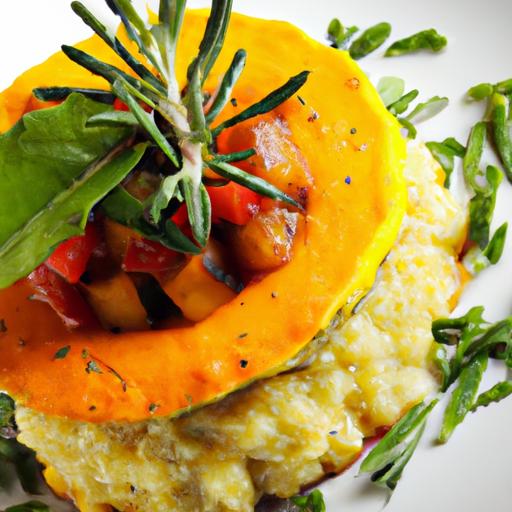

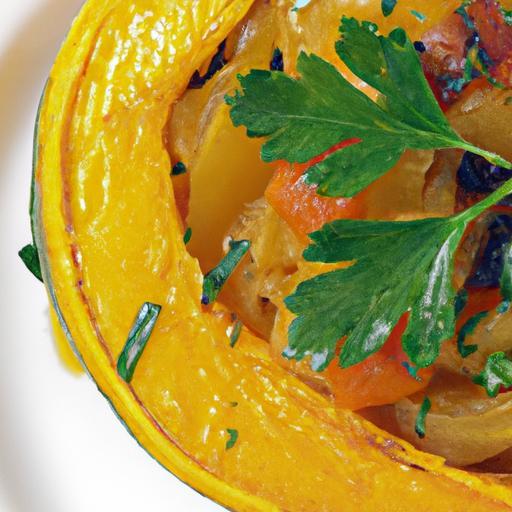
In a culinary world dominated by familiar staples, the humble spaghetti squash quietly awaits its moment in the spotlight. With its vibrant golden flesh and unique stringy texture that effortlessly mimics the beloved pasta, this vegetable is a versatile marvel ready to transform your kitchen creations.
Whether you’re seeking a nutritious option, an exciting twist on conventional dishes, or simply craving a new way to experience dinner, unlocking the secrets of cooking spaghetti squash can open up a whole new palette of flavors and possibilities. Join us as we dive into the ultimate guide, exploring techniques, tips, and recipes that will elevate this underrated squash from side dish to star entrée.
Unlocking flavor in spaghetti squash begins with selecting the perfect fruit.This vibrant, golden vegetable harbors a subtle sweetness and a delightfully tender texture when cooked just right. Appreciated for its versatility and naturally low-carb profile,spaghetti squash transforms effortlessly into a canvas for bold aromas and mouthwatering seasonings. My first encounter with perfectly roasted spaghetti squash was a revelation-its delicate strands carried every herb and spice beautifully, making it a staple in my culinary repertoire.
Prep and Cook time
- Preparation: 10 minutes
- Cooking: 40 minutes
- Total Time: 50 minutes
Yield
Serves 4 generous portions
Difficulty Level
Easy
ingredients
- 1 medium spaghetti squash (about 3-4 pounds), firm with a shining yellow rind
- 2 tablespoons olive oil, extra virgin for roasting
- 1 teaspoon sea salt
- 1/2 teaspoon freshly ground black pepper
- 2 cloves garlic, minced
- 1 teaspoon smoked paprika (optional, for depth)
- 1 tablespoon fresh parsley, finely chopped
- Freshly grated Parmesan cheese, for garnish
- 1 tablespoon lemon zest, to brighten flavors
Mastering Cooking Techniques to Achieve the Ideal Texture
- Preheat your oven to 400°F (200°C). This temperature ensures tender flesh while coaxing the natural sugars into a light caramelization.
- Prepare the squash by carefully halving it lengthwise using a sharp knife. Scrape out the seeds with a spoon; the seeds are edible, but removing them gives a cleaner texture.
- Brush each half generously with olive oil and sprinkle sea salt,black pepper,and minced garlic evenly over the flesh.
- Place halves cut-side down on a baking sheet lined with parchment paper. This method traps steam inside, softening the squash strands.
- Roast for 35-40 minutes, checking tenderness with a fork. The flesh should shred easily into thin, spaghetti-like strands when scraped with a fork.
- Allow the squash to cool slightly before shredding the flesh with a fork into a large bowl.
Flavor Boosters and Seasoning Secrets for Delectable Results
Once the strands have been released, itS time to elevate their flavor. Toss the spaghetti squash in olive oil,smoked paprika,and a whisper of freshly grated lemon zest to awaken the palate.A sprinkle of crunchy toasted pine nuts or slivered almonds adds texture contrast, while fresh herbs like parsley or basil inject vibrant freshness.For those wanting a spicy kick, a pinch of crushed red pepper flakes melts seamlessly into the warm strands.a shower of Parmesan cheese not only enriches the dish but also creates a luscious finish that lingers.
Creative Serving Ideas to Elevate Your Spaghetti Squash Experience
The beauty of this vegetable lies in its adaptability. Serve the roasted spaghetti squash as a light, aromatic side dish, garnished with a drizzle of high-quality balsamic glaze and a scattering of toasted seeds for visual contrast. For a comforting entrée, layer the strands with marinara sauce, fresh basil, and gooey mozzarella, then bake until bubbly for a low-carb lasagna twist. Alternatively, toss the warm spaghetti squash with sautéed mushrooms, garlic, and spinach for an earthy vegetarian main course. Its neutral profile also works perfectly in cold salads mixed with chopped cucumbers, cherry tomatoes, and a tangy lemon vinaigrette.
Tips for Success
- Choose firmness: Select a spaghetti squash that feels heavy for its size and has a firm, unblemished skin. avoid any with soft spots or green patches.
- Cut safely: Use a sturdy chef’s knife and cut steadily to avoid slips; warming the squash in the microwave for 30 seconds can soften the rind slightly and ease cutting.
- Don’t overcook: Watch closely as overdone squash can become mushy; the ideal is a tender but slightly al dente texture.
- Make ahead: Roasted strands keep well covered in the refrigerator for up to 3 days; reheat gently to retain moisture.
- Experiment with flavors: Try adding curry powder or Italian seasoning blends for different aromatic profiles.
Nutritional Data
| Nutrient | Per serving |
|---|---|
| Calories | 110 kcal |
| Protein | 2 g |
| Carbohydrates | 25 g |
| Fat | 4 g |
Internal resource: For additional vegetable roasting techniques,check our Perfect Roasted Vegetables Guide.
External reference: Learn more about the health benefits of spaghetti squash at Healthline.

Q&A
Q&A: Unlocking Flavor – The Ultimate Guide to Cooking Spaghetti Squash
Q1: What makes spaghetti squash a unique vegetable to cook with?
A1: Spaghetti squash is nature’s edible noodle! When cooked, its flesh transforms into long, thin strands resembling spaghetti – but with a tender crunch and a subtly sweet, nutty flavor. This unique texture makes it a fantastic low-carb, gluten-free alternative to pasta, adding vibrant versatility to your kitchen.
Q2: How do I select the perfect spaghetti squash at the market?
A2: Look for a firm, heavy squash with a vibrant yellow or pale orange skin, free from soft spots or blemishes.The color signals ripeness and sweetness. Heavier squash tend to have denser flesh, promising more “noodles” when cooked.
Q3: What are the best methods to cook spaghetti squash to maximize flavor?
A3: Spaghetti squash loves gentle heat that brings out its natural sweetness. Roasting it in the oven caramelizes the edges and adds depth – slice it in half, drizzle with olive oil, season with salt and pepper, and roast at 400°F (200°C) for about 40 minutes. For a quicker approach, steaming or microwaving works wonders and keeps strands moist and tender.
Q4: How can I enhance the flavor after cooking?
A4: Once you’ve scraped out the spaghetti-like strands, it’s time to get creative! Toss with garlic-infused olive oil, fresh herbs like basil or parsley, a squeeze of lemon for brightness, or a sprinkle of Parmesan for savoriness. the mild flavor of spaghetti squash is a blank canvas craving bold accompaniments – think spicy marinara, creamy pesto, or zesty salsa.
Q5: Can I incorporate spaghetti squash into dishes beyond the classic pasta swap?
A5: Absolutely! Try roasting leftover strands to add crunch to salads, mixing them into frittatas or stir-fries, or stuffing them with savory fillings like ground turkey and vegetables for a hearty meal. Spaghetti squash’s versatility unlocks countless flavor adventures beyond the usual bowl of sauce.
Q6: Any tips to avoid common pitfalls when cooking spaghetti squash?
A6: Definitely! Avoid overcooking to prevent mushiness - the strands should be tender yet springy. Use a sharp knife or poke holes before heating if microwaving to avoid steam buildup. And remember, always scrape gently with a fork against the grain to keep those signature noodles intact.
Q7: How should I store cooked spaghetti squash?
A7: Store strands in an airtight container in the refrigerator for up to 5 days. If you want to keep it longer, freeze it in portions – just be aware that thawing may soften the texture slightly. For freshest flavor, dress and season just before serving.
embrace the magic of spaghetti squash - a humble gourd with endless flavor potential just waiting for your culinary touch!
Insights and Conclusions
As the final strands of spaghetti squash grace your plate, remember-this vibrant vegetable is more than just a low-carb substitute; it’s a canvas for culinary creativity waiting to be unlocked. With its delicate texture and subtle sweetness, spaghetti squash invites you to experiment, elevate, and ultimately transform your meals. Whether roasted, baked, or sautéed, mastering the art of cooking this versatile squash opens a world of flavor possibilities that go far beyond the ordinary. So next time you’re in the kitchen, let spaghetti squash lead the way-and savor every bite of your newfound favorite comfort food.