
There’s something truly transformative about a well-made salad dressing-it elevates crisp greens from simple side to sensational dish. But store-bought dressings frequently enough hide a cocktail of preservatives, excess sugar, and artificial flavors that can undermine the very healthfulness they promise. Enter the art of crafting fresh and flavorful salad dressings at home: a delightful journey where wholesome ingredients meet vibrant tastes, offering control, creativity, and nutrition in every drop.
In this article, we’ll explore how to blend nature’s freshest offerings into dressings that not only awaken your palate but also nourish your body, proving that healthy eating can be both delicious and effortlessly satisfying.
Fresh & Flavorful salad dressings at home start with the vibrant choice of fresh, colorful ingredients that not only brighten your dish visually but also pack a powerful nutritional punch. Selecting ripe, crisp vegetables, fragrant herbs, and zesty citrus fruits transforms a simple dressing into a culinary masterpiece that excites the palate and fuels your body.
Prep and Cook Time
- Preparation: 10 minutes
- Cooking: None required
Yield
- Approximately ¾ cup (enough for 4-6 servings of salad)
Difficulty Level
- Easy
ingredients
- ⅓ cup extra virgin olive oil – cold-pressed for a fruity, peppery bite
- 2 tablespoons apple cider vinegar – unfiltered, for a tangy depth
- 1 tablespoon fresh lemon juice – adds radiant, zesty freshness
- 1 teaspoon Dijon mustard – for natural emulsification and mild heat
- 1 teaspoon honey or pure maple syrup – to balance acidity with subtle sweetness
- 1 garlic clove, finely minced – unleashes savory warmth
- 2 tablespoons fresh chopped herbs (basil, parsley, or cilantro) – packed with fragrant oils
- ½ teaspoon freshly ground black pepper – for gentle spice
- ¼ teaspoon sea salt, or to taste – to round out flavors
Instructions
- Combine the vinegar, lemon juice, Dijon mustard, honey, minced garlic, salt, and pepper in a medium bowl. Whisk together until the honey dissolves and the mixture is smooth.
- Slowly drizzle in the extra virgin olive oil while whisking vigorously to create a creamy, well-emulsified dressing.
- Stir in the fresh chopped herbs gently to release their natural oils, infusing the dressing with vibrant aroma and flavor.
- Taste and adjust seasoning-add more salt, pepper, or honey to suit your preferences.
- Let the dressing rest for at least 10 minutes at room temperature to allow the flavors to meld harmoniously.
- Shake or whisk again before serving-the oils and vinegar may separate upon standing.
Tips for Success
- Herb Variations: Experiment with dill, tarragon, or chives for unique flavor profiles.
- Citrus Alternatives: Swap lemon juice for lime or orange juice to add a different punch.
- make-Ahead: Store your dressing in an airtight jar in the refrigerator for up to one week. Bring to room temperature and shake well before use.
- Texture Tip: For a creamier texture, blend in 1 tablespoon of Greek yogurt or mashed avocado.
- vinegar Swap: use balsamic or red wine vinegar for a richer, fruitier taste.
Serving Suggestions
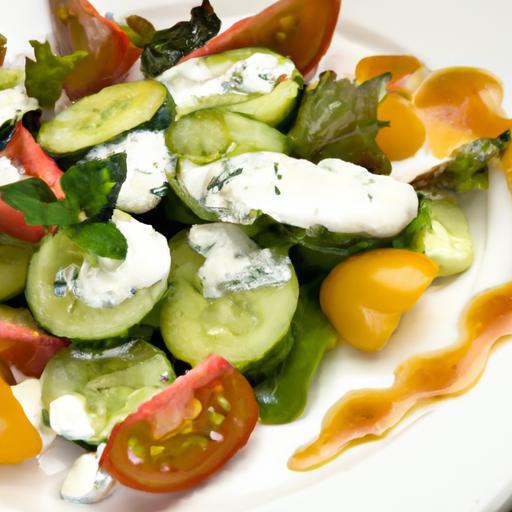
Drizzle this fresh & flavorful homemade dressing over a crisp mixed green salad with cherry tomatoes, cucumber ribbons, and thinly sliced radishes. Garnish with toasted nuts or seeds like walnuts or pumpkin seeds to add crunch and an earthy finish.It’s equally divine tossed with quinoa salad or roasted vegetables for an extra boost of nutrition and zest.

| Nutrient | Per 2 Tbsp Serving |
|---|---|
| Calories | 120 |
| Protein | 0.2 g |
| Carbohydrates | 3 g |
| Fat | 11 g |
For more inspiration on balancing flavors naturally, check out our ultimate herb and citrus flavor guide. To understand more about the health benefits of conventional oils in dressings, visit Healthline’s deep dive on olive oil.
Q&A
Q&A: Fresh & Flavorful – Crafting Healthy Salad Dressings at Home
Q1: Why should I make my own salad dressings instead of buying pre-made ones?
A: making your own salad dressings puts you in complete control over the ingredients. Store-bought dressings often hide added sugars, preservatives, and unhealthy fats. By crafting your own, you can keep it fresh, wholesome, and perfectly tailored to your taste buds-plus, it’s much more budget-kind and eco-conscious!
Q2: What are the basic ingredients I need to create a healthy salad dressing?
A: At its heart, a great homemade dressing balances fat, acid, and seasoning. Typically, that means a good-quality oil (like extra virgin olive or avocado), a bright acid (vinegar, lemon, or lime juice), and flavor enhancers (mustard, garlic, herbs, honey, or spices). From there, creativity takes over!
Q3: How can I make a dressing that’s both creamy and healthy without using mayo or heavy cream?
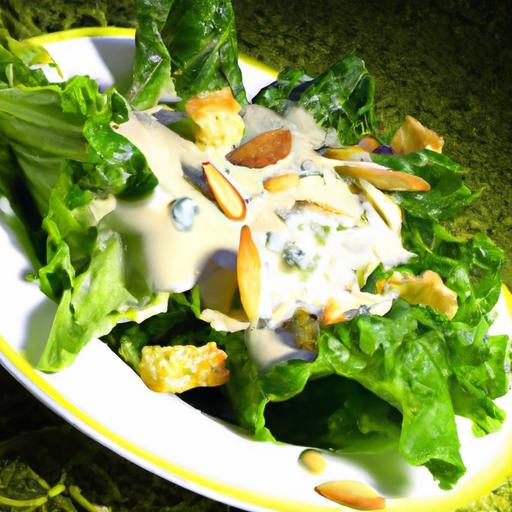
A: Great question! Try swapping in Greek yogurt, tahini, mashed avocado, or silken tofu for creamy texture. These ingredients add richness and nutrition without the excessive saturated fats. Such as, a tangy avocado-lime dressing blends smooth fats with zesty brightness-irresistible and guilt-free.
Q4: Are there any tips for making dressings that last?
A: Fresh is best, but most homemade dressings keep well in the fridge for up to a week. Use airtight containers to maintain flavor and prevent spoilage. If herbs or garlic are involved, their potency may intensify over time, which can be delightful or overwhelming-tweak seasoning to your preference before serving.
Q5: How do I know if my dressing is well-balanced?
A: Taste-testing is the simplest and most effective test! Your dressing should have a harmonious blend of tanginess from acids, richness from fats, a hint of sweetness or umami if desired, and a pinch of salt to round it off. If one flavor dominates, adjust by adding the counterbalance-more acid if it’s too oily, a touch of honey if too sharp, and so on.
Q6: Can I make dressings suitable for different dietary needs?
A: Absolutely! Homemade dressings can be adapted for vegan, gluten-free, keto, or low-sodium diets. Use plant-based oils and dairy substitutes for vegan versions, tamari instead of soy sauce for gluten-free needs, and skip added sugars or salt for low-sodium options. The flexibility is part of the charm!
Q7: What are some flavor pairings or ingredients to experiment with?
A: The world is your salad bowl! Think beyond basics: roasted garlic, fresh ginger, miso, fresh herbs like dill or basil, maple syrup or agave for sweetness, or even jalapeño for heat. Combining unexpected flavors-such as citrus and fresh mint or sesame and lime-can elevate your salads from ordinary to remarkable.
Q8: How do homemade dressings impact my overall health?
A: By avoiding processed additives and using fresh, nutrient-rich ingredients, homemade dressings support better digestion, stable energy levels, and heart health. Healthy fats from quality oils improve absorption of fat-soluble vitamins in your greens, helping you reap maximum nutritional benefits from every bite.
Q9: How can I incorporate homemade dressings into my meal routine?
A: Start simple: drizzle over standard green salads, grain bowls, roasted veggies, or even use as marinades. Batch make your favorites so you always have something ready to brighten weeknight meals. With variety and freshness on your side, healthy eating becomes an effortless delight!
Q10: Any final pro tips for dressing DIY beginners?
A: Yes! Keep a measuring spoon handy for consistency, start with small batches to find your perfect flavor, and don’t be afraid to experiment. Remember, salad dressing is an art, not a science-your palate is the ultimate guide. Have fun, taste often, and savor the vibrant glow of homemade freshness!
to sum up
Creating your own salad dressings at home is more than just a tasty experiment-it’s a gateway to vibrant flavors and wholesome nourishment. By blending fresh ingredients with a dash of creativity, you not only elevate your salads but also take control of what goes onto your plate. Whether you prefer zesty citrus twists, creamy avocado blends, or herbal infusions, crafting dressings from scratch empowers you to customize each bite to your liking.
So, next time you reach for that bottle on the shelf, remember: the freshest, most flavorful salad dressing might just be waiting for you in your own kitchen. Embrace the art of making dressings at home, and savor the healthy difference it brings to every leafy green.