
In the world of culinary creativity, the humble leftover rice holds a secret power-its transformation from a simple side dish into a comforting bowl of creamy congee. Often overlooked and relegated to the back of the fridge, those scattered grains can be reborn into a luxurious meal that transcends cultures and seasons. From Leftovers to Luxury: Transform Rice into Creamy Congee explores this timeless technique, inviting you to turn what’s left on your plate into a silky, nourishing delight that warms both body and soul. Join us as we uncover the art of elevating everyday ingredients into a dish of sublime comfort and elegance.
Transforming leftover rice into a silky smooth base is the secret to crafting the ultimate comforting bowl of congee that feels like a warm hug on a chilly day. This humble yet luxurious dish originates from centuries-old Asian culinary traditions,where nothing goes to waste and every grain of rice is celebrated. Using leftover rice not only reduces waste but also creates a uniquely creamy texture that a freshly cooked batch just can’t replicate. When paired with the perfect broth and a thoughtful array of seasonings, this simple porridge transcends into a canvas for vibrant toppings and fresh ingredients, delivering flavor layers and satisfying textures in every spoonful.
Prep and Cook Time
- Readiness: 10 minutes
- Cooking: 45 minutes
- Total Time: 55 minutes
Yield
Serves 4 generous bowls
Difficulty Level
Easy – perfect for home cooks looking to warm their soul without fuss
Ingredients
- 2 cups leftover cooked white rice (preferably jasmine or medium-grain)
- 6 cups homemade chicken broth (or vegetable broth for vegetarian option)
- 1 thumb-sized piece of fresh ginger, thinly sliced
- 2 cloves garlic, lightly crushed
- 1 tablespoon sesame oil
- 1 teaspoon white pepper
- 2 teaspoons soy sauce (or tamari for gluten-free)
- Salt to taste
- Spring onions, finely sliced for garnish
- Fresh cilantro leaves for garnish
- Pickled vegetables or kimchi (optional, for added tang and texture)
- Soft-boiled eggs or shredded cooked chicken (optional protein additions)
Instructions
- Heat the sesame oil in a large saucepan over medium heat. Add the ginger and garlic and sauté until fragrant and slightly golden, about 3 minutes, stirring frequently to avoid burning.
- Pour in the chicken broth and bring it to a gentle simmer. This rich broth will serve as the luxurious foundation for your congee.
- Add the leftover rice to the simmering broth. Using a wooden spoon, gently press the rice grains against the pot’s surface to break them down further, encouraging a smooth, almost creamy texture.
- Simmer uncovered on low heat for about 30-40 minutes, stirring occasionally to prevent sticking. the rice will dissolve and blend into the broth, thickening the mixture. Add more broth or water if you prefer a thinner congee.
- Season with white pepper,soy sauce,and salt,tasting and adjusting gradually. These layers of seasoning amplify the umami base and bring out the comforting warmth of the dish.
- Remove from heat when the congee has reached a luscious, velvety consistency-almost like a thick cream soup but with subtle grainy texture.
- Ladle your creamy congee into bowls and prepare for the fun part: toppings!
Chef’s Notes
- Rice variety matters: Leftover jasmine or short-grain rice yields the creamiest congee. Avoid brown rice unless you prefer a heartier texture.
- Broth upgrades: For deeper flavor, simmer broth with chicken bones, star anise, or a piece of kombu prior to use.
- Make it vegetarian: Swap chicken broth with a rich mushroom or vegetable stock and add a splash of soy sauce or mushroom powder.
- Storage tip: Store leftover congee in airtight containers in the fridge for up to 3 days.Reheat gently, adding broth or water to loosen.
- Texture adjustments: for an ultra-silky finish, briefly blend congee with an immersion blender before serving.
Serving Suggestions
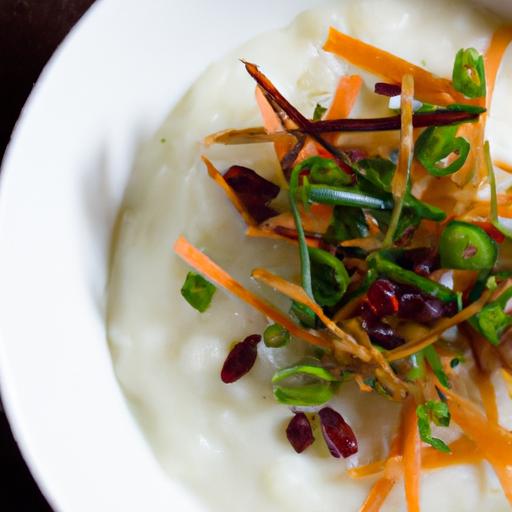
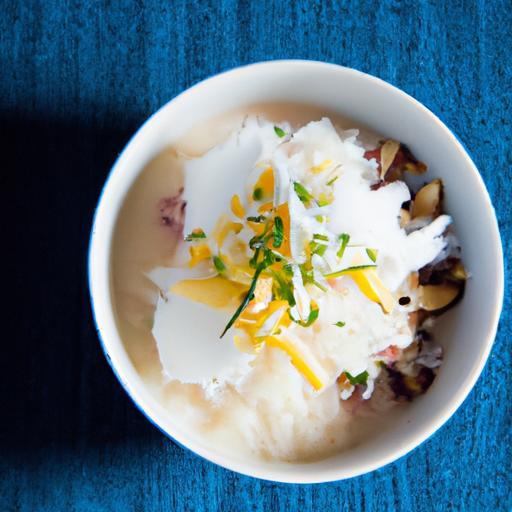
Elevate your bowl by garnishing with vibrant spring onions, fresh cilantro, and a drizzle of toasted sesame oil. For contrast, add crispy fried garlic chips or shallots atop, and consider a spicy kick with chili oil or sliced fresh chilies. Protein options such as shredded chicken, poached eggs, or tofu cubes complement the creaminess beautifully. tangy pickled vegetables or a spoonful of kimchi introduce bright textures that balance the rich base. Serve steaming hot in deep rustic bowls alongside a small dish of soy sauce and chili sauce for dipping.
| Nutrient | Per Serving |
|---|---|
| Calories | 210 kcal |
| Protein | 8 g |
| Carbohydrates | 30 g |
| Fat | 5 g |

for more hearty and comforting rice recipes, check out our Ultimate Guide to Rice Bowls. For additional insights into broth-making techniques, visit Serious eats on Homemade Chicken Broth.
Q&A
Q&A: From Leftovers to Luxury – Transform Rice into Creamy Congee
Q1: What exactly is congee, and why is it considered a luxury dish?
A: Congee is a silky, savory rice porridge enjoyed across many cultures, especially in Asia. Tho humble in ingredients-primarily rice and water-it transforms leftovers into a comforting, nourishing bowl akin to culinary gold. Its luxurious appeal lies in its creamy texture and endless possibilities for gourmet toppings and flavors that elevate simple rice into a dish fit for any table.
Q2: How can leftover rice be used to make congee?
A: Leftover rice is the perfect base! Simply simmer the cold rice with plenty of water or broth over low heat.The grains gradually break down, releasing starch and thickening the liquid into a luscious porridge. The magic happens as the humble leftovers soften and swell,turning what might otherwise be forgotten into a velvety canvas for flavors.
Q3: What’s the secret to achieving that perfect creamy consistency?
A: Patience and the right ratio of liquid to rice are key. Use about 6 to 8 cups of liquid per cup of rice, then cook slowly on a gentle simmer.Stir frequently to coax out the starch and prevent sticking. Adding a splash of milk, coconut cream, or broth towards the end can enhance richness, creating that unmistakably smooth, dreamy congee texture.
Q4: How can congee be transformed from a simple comfort food into a gourmet meal?
A: The real luxury lies in the toppings and seasoning. Think crispy garlic, fragrant scallions, silky poached eggs, marinated mushrooms, shredded chicken, or even a drizzle of truffle oil. Incorporating fresh herbs, spicy chili, pickled vegetables, or nuts adds layers of flavor and texture, turning the bowl into a culinary adventure.
Q5: Is congee only savory, or can it be sweet as well?
A: Congee is beautifully versatile! While traditionally savory, it can be transformed into a luscious dessert porridge by cooking rice with coconut milk and sugar, then topping with tropical fruits, toasted coconut, or a sprinkle of cinnamon. Leftover rice becomes a blank slate for sweet creativity as well.
Q6: Are there any tips for cooking congee if you don’t have leftover rice?
A: Absolutely! Start with uncooked rice-jasmine or short-grain works well-rinsed until the water runs clear. Cook it slowly with plenty of liquid until the grains burst and thicken the mixture naturally.Using broth instead of water adds depth, and a pinch of salt enhances the flavor base.
Q7: Can congee be stored and reheated?
A: Yes, congee reheats wonderfully! Store it in an airtight container in the fridge for up to 3 days. when reheating, simply add a splash of water or broth to loosen the consistency and warm gently on the stove or microwave, stirring occasionally to keep it silky smooth.
Q8: Why should we rethink leftovers through the lens of congee?
A: Because congee exemplifies culinary alchemy-turning what’s often discarded or overlooked into somthing indulgent and comforting. It invites us to slow down, savor simplicity, and appreciate how transformation in cooking can elevate both ingredients and the dining experience. from leftovers to luxury, congee is a party of resourcefulness and creativity.
Final Thoughts
As the comforting aroma of creamy congee fills your kitchen, you’ll realize that transforming leftover rice into a luxurious dish is more than just a clever hack-it’s an art form. From humble beginnings to a bowl brimming with warmth and flavor, congee invites you to savor simplicity elevated to elegance. So next time you find yourself with a surplus of rice, embrace the possibility to create something nourishing, versatile, and deeply satisfying. After all, in the world of cooking, even the most unassuming ingredients can be reborn as culinary treasures.