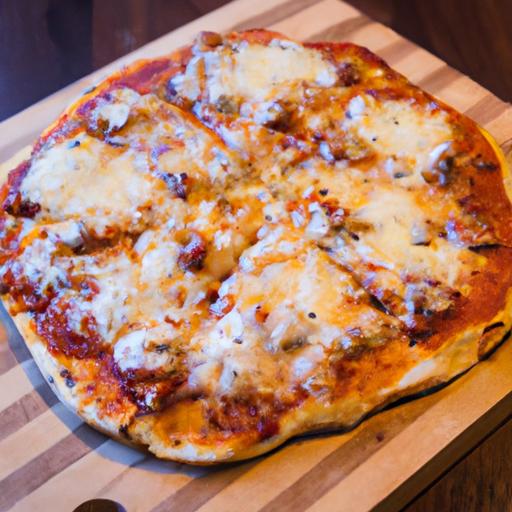

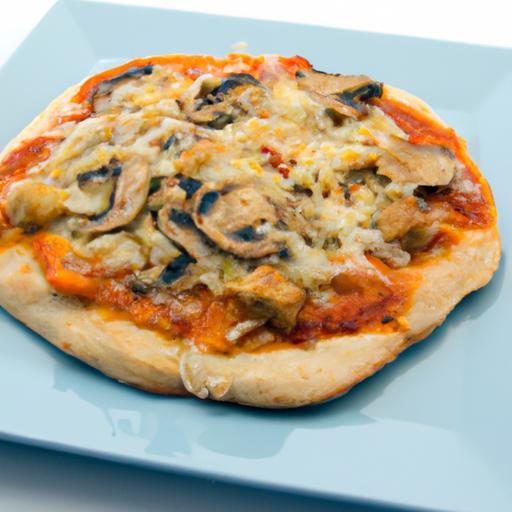
there’s nothing quite like the smell of fresh-baked pizza wafting through the kitchen, inviting everyone to gather around and savor each bite. But for those navigating the world of gluten-free baking, achieving that perfect, fluffy, and airy pizza crust can feel like a distant dream. Enter our Fluffy & Easy Yeast-Risen Gluten-Free Pizza Crust recipe-a game-changing solution that brings classic, pillowy deliciousness without the gluten.
Whether you’re gluten-sensitive, celiac, or simply exploring new culinary horizons, this recipe combines the magic of yeast with gluten-free ingredients to create a crust that’s light, chewy, and irresistibly satisfying. Ready to transform your pizza nights? Let’s dive into the science, tips, and tricks behind crafting this flawless, crave-worthy crust from scratch.
Ingredients that Make Your Gluten-Free Pizza Crust Light and Airy
Creating a truly fluffy & easy yeast-risen gluten-free pizza crust recipe starts with selecting the perfect blend of ingredients designed specifically to emulate the light, airy texture of conventional dough. The magic lies in a combination of gluten-free flours, natural starches, and moisture-retaining agents that work in harmony to give your pizza crust that irresistible lift and tender crumb.
To achieve this, I rely on a blend of gluten-free all-purpose flour enriched with a small amount of tapioca starch and potato starch. These starches contribute elasticity and moisture without the heaviness sometimes found in gluten-free baking. Additionally, incorporating a touch of xanthan gum or psyllium husk powder helps bind the dough, mimicking gluten’s stretchiness and trap air bubbles produced during yeast activation.
The balance of warm water, quality yeast, and a hint of olive oil ensures the dough is supple and hydrated, offering the perfect habitat for yeast to thrive and create carbon dioxide bubbles – the very detail that makes your crust beautifully fluffy.
Mastering the Yeast Activation Process for Perfect Rise
Activating yeast is often misunderstood as a simple step, but for a fluffy & easy yeast-risen gluten-free pizza crust recipe, it’s where success begins. Begin by proofing your yeast in warm water at around 105°F-110°F (40°C-43°C), just warm enough to awaken but not kill the yeast. Adding a pinch of sugar acts as food for the yeast, which prompts vigorous bubbling – a sign your yeast is alive and eager to work.
Patience during this step is key. Allow the yeast to foam for at least 5-7 minutes. If the mixture doesn’t bubble, it’s best to start over with fresh yeast to guarantee a satisfying rise and airy texture.
Step-by-Step Mixing and Kneading Tips for Fluffy Texture
Once your yeast mixture is proofed, combine it with your dry ingredients and olive oil. Mix gently using a sturdy spatula or dough hook attachment on a stand mixer set to low speed. Use the “stretch-and-fold” method during kneading – folding the dough multiple times to trap air bubbles without overworking the delicate gluten-free flour blend.
Avoid over-kneading which can result in a gummy texture. The ideal dough is soft, slightly tacky, and elastic enough to stretch when lightly pulled. This careful technique encourages a network of tiny air pockets essential for the final fluffy crumb.
Baking Techniques to Achieve Crispy Edges and a Soft Center
Preheat your oven to a high temperature, about 475°F (245°C), with a pizza stone or baking steel inside if possible. These tools retain and radiate intense heat, which crisps the crust edges quickly while preserving a tender, soft center.
For an extra-crispy edge, brush the rim lightly with olive oil before baking. Bake the crust alone for 5 minutes initially, then add your toppings and bake another 10-12 minutes. This two-step method ensures the dough cooks through without sogginess from moist toppings.
Once out of the oven, let your pizza rest for a few minutes. This final pause helps the airy structure settle perfectly, delivering the light yet chewy slice you crave in any great gluten-free pizza experience.
Q&A
Q&A: Everything You Need to Know About the Fluffy & Easy Yeast-Risen Gluten-Free pizza Crust Recipe
Q1: Why choose a yeast-risen gluten-free pizza crust over other gluten-free options?
A1: Unlike fast-bake or baking powder-based gluten-free crusts, a yeast-risen crust gives you that authentic airy, fluffy texture reminiscent of traditional wheat-based pizza dough. The yeast works its magic, creating light pockets and a gorgeous chewiness that are often missing from gluten-free alternatives.
Q2: Isn’t yeast harder to work with in gluten-free baking?
A2: It can be a bit trickier because gluten-free flours don’t have the elasticity of wheat. However, this recipe is designed to be easy, using a blend of gluten-free flours and the right hydration. With a bit of patience during the rising phase, you’ll be rewarded with a soft and pillowy crust that’s worth the wait.
Q3: What kind of gluten-free flours work best in this recipe?
A3: A combination of rice flour, tapioca starch, and a touch of xanthan gum typically creates the perfect balance. Rice flour provides a mild base, tapioca starch adds chew and stretch, and xanthan gum acts like gluten to hold everything together.
Q4: Can I make the dough ahead of time?
A4: Absolutely! Yeast dough actually benefits from a slow, cold rise in the fridge for up to 24 hours. This develops flavor and texture beautifully. Just make sure to bring the dough to room temperature before shaping and baking.
Q5: How do I prevent my gluten-free pizza crust from being too dense or crumbly?
A5: Moisture is key. This recipe carefully balances liquid ingredients to keep the dough hydrated. Also, don’t skip the yeast-its fermentation creates air bubbles that lift the crust. handle the dough gently and avoid overworking it, as gluten-free doughs can dry out quickly.
Q6: What toppings work best with a fluffy gluten-free crust?
A6: As the crust is light and airy, feel free to load it with fresh veggies, gooey cheese, or even delicate herbs. Avoid overly heavy toppings that might weigh the crust down and make it soggy.
Q7: Is this recipe suitable for beginners?
A7: Yes! the recipe simplifies the yeast-risen process with clear steps and forgiving ingredients, making it accessible even if you’re new to gluten-free baking or working with yeast.
Q8: Can I freeze the dough or the baked crust?
A8: Both! You can freeze the raw dough in a ready-to-bake ball or freeze fully baked crusts. Just thaw thoroughly before baking or reheating to restore that fresh-from-the-oven goodness.
Q9: Will this crust be crunchy or soft?
A9: It’s delightfully soft and fluffy on the inside with a slightly crisp exterior. If you wont a crispier crust, try baking on a preheated pizza stone or under the broiler for a minute at the end.
Q10: Any tips for perfecting my gluten-free pizza night?
A10: Have fun experimenting with toppings and sauces! Use a stand mixer or sturdy spoon for mixing, and don’t rush the rising – patience is the secret ingredient that transforms simple dough into something spectacularly fluffy and flavorful.
Future Outlook
With this fluffy and easy yeast-risen gluten-free pizza crust recipe in your culinary arsenal, saying goodbye to dense, crumbly crusts is a thing of the past. Whether you’re crafting a classic Margherita or piling on your favorite toppings, this crust delivers the airy, chewy texture that pizza dreams are made of-without gluten holding you back. So, fire up your oven, warm your spirits, and get ready to enjoy homemade pizza that’s as light and delightful as it is inclusive. Because when great taste meets thoughtful ingredients, everyone deserves a slice of happiness.