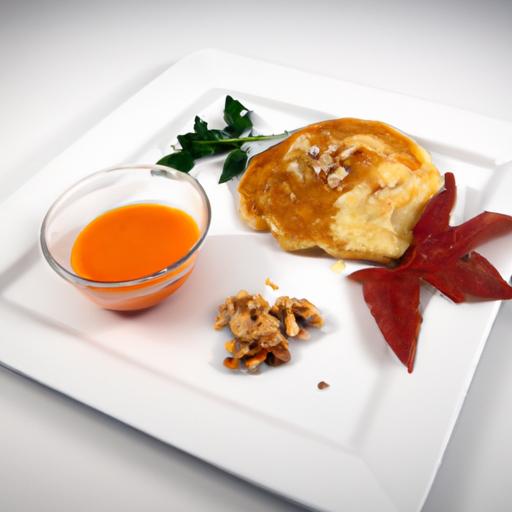

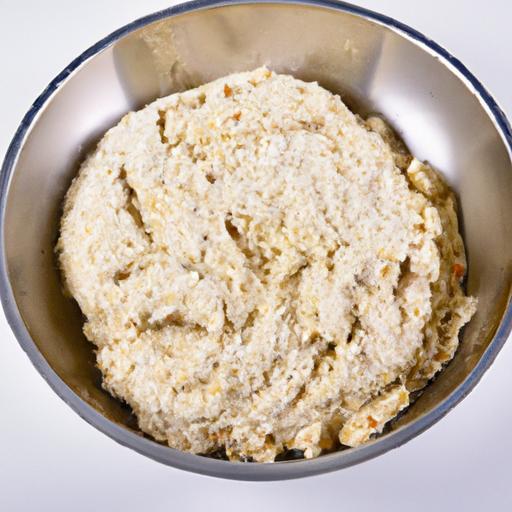
When it comes to perfecting a luscious sauce, the secret frequently enough lies in the art of thickening. But for those navigating the gluten-free path, traditional flours can be off the table, turning this simple kitchen ritual into a bit of a puzzle. Fear not-thickening sauces without gluten doesn’t have to be complicated or compromise on texture and taste. In this article, we’ll dive into the top gluten-free flours that transform runny concoctions into velvety masterpieces with ease. Whether you’re crafting a creamy gravy, a rich curry, or a silky dessert drizzle, these flours offer foolproof ways to achieve that ideal consistency, proving that gluten-free cooking can be both simple and sensational.
Thickening Made Easy: Top Gluten-Free Flours for Sauces
Thickening Made easy: Top Gluten-Free Flours for Sauces opens a world where creamy, velvety sauces no longer require traditional wheat-based flours. As someone who has long wrestled with the challenge of crafting luscious sauces safe for gluten-sensitive diners, I discovered the unique science behind alternative flours and starches. This guide delves deep into the magical properties of gluten-free thickening agents-from nut-based flours that bring complexity and silkiness, to the grain-free starches that create that perfect glossy finish. Let’s transform your sauce-making process with confidence and flair.
Prep and Cook Time
- Preparation: 10 minutes
- Cook Time: 15 minutes
- Total time: 25 minutes
Yield
Serves 4 generously
Difficulty Level
easy to Medium - perfect for home cooks aiming to elevate their gluten-free repertoire.
Ingredients
- 1/4 cup almond flour (finely ground, unsweetened)
- 2 tbsp tapioca starch
- 1 tbsp arrowroot flour
- 1 1/2 cups vegetable or chicken broth (warm)
- 2 tbsp olive oil or unsalted butter
- 1 small shallot, finely minced
- 1 garlic clove, minced
- Salt and freshly ground black pepper, to taste
- Optional: 1 tsp fresh herbs, like thyme or rosemary, finely chopped
Instructions
- sauté aromatics: Heat the olive oil (or butter) in a medium saucepan over medium heat. Add the shallot and garlic, sautéing until translucent and fragrant, about 3-4 minutes. Stir regularly to prevent burning.
- Combine nut flour: Lower the heat, than sprinkle the almond flour evenly into the pan. Stir continuously to toast the flour lightly, about 2 minutes, achieving a nutty aroma that deepens your sauce’s flavor profile.
- Mix starches: In a small bowl, whisk together tapioca starch and arrowroot flour with 1/4 cup of the warm broth until smooth-this slurry ensures lump-free thickening.
- Gradually build the sauce: Slowly pour remaining broth into the saucepan, stirring constantly to blend the nut flour with the liquid.
- Incorporate slurry: Pour the tapioca-arrowroot slurry into the pot while whisking vigorously. continue stirring gently until the sauce thickens, around 5-7 minutes. Patience here yields the perfect creamy texture.
- Season and finish: Add salt, pepper, and herbs as desired. Simmer on low for another 2 minutes to meld flavors. For extra silkiness, finish with a dab of butter or a splash of cream if dairy is permitted.
Chef’s Notes: Tips for Success
- Nut-Based flour Benefits: Almond flour lends body and a subtle richness without the grainy feel, perfect for savory, creamy sauces.
- Why Tapioca and Arrowroot? Tapioca flour provides elasticity and shine, while arrowroot flour thickens at lower temperatures and imparts a smooth finish without cloudiness.
- Substitutions: if allergic to nuts, substitute almond flour with finely ground sunflower seed flour or oat flour (gluten-free certified).
- Prevent Clumping: Always mix starches with cold liquid before adding to hot pans to avoid lumps and ensure even thickening.
- Make-Ahead: This sauce holds well refrigerated for 2 days; reheat gently on low, whisking to revive smoothness.
Serving Suggestions
This gluten-free thickened sauce shines poured over roasted vegetables, grilled chicken, or seared fish. A final dusting of fresh herbs or a drizzle of truffle oil elevates it spectacularly. Try pairing it with a side of steamed greens or creamy mashed potatoes for a comforting, elegant plate guaranteed to impress all guests.

| Nutrition (per serving) | Calories | Protein | Carbs | Fat |
|---|---|---|---|---|
| Gluten-Free Sauce | 120 | 3g | 8g | 9g |
Exploring the Unique Properties of Nut-Based flours in Sauce Making
Nut-based flours, such as almond flour, carry natural oils that help create a rich mouthfeel, unlike conventional grain flours. Their tiny fat content works synergistically in sauce-making, resulting in luxurious textures without added cream or butter. When gently toasted in a pan, these flours bloom with a warm, nutty fragrance that deepens the flavor complexity, transforming simple sauces into gourmet creations. Their gluten-free nature means they don’t rely on gluten’s structure to thicken but instead use their oil and protein content for a naturally creamy consistency.
Harnessing the Power of Starches: Tapioca and Arrowroot Flour Insights
Tapioca and arrowroot flour stand out as star thickening agents in the gluten-free arena. Tapioca imparts elasticity and a beautiful sheen, preventing sauces from becoming dull or gelatinous. Arrowroot acts quickly at low temperatures, so its ideal for delicate sauces that might lose flavor with overheating. As arrowroot remains stable in acidic environments, it’s perfect for tomato-based or citrus-infused sauces. Combining these starches balances their attributes-elasticity and clarity-creating sauces that coat the palate with a silky, smooth finish.
Top Recommended Gluten-Free Flours for smooth and Creamy Sauces
While almond flour is a favorite for body and flavor, other gluten-free flours carry unique thickening abilities. Coconut flour, as an example, is highly absorbent but can be grainy if overused; use it sparingly. Sorghum and millet flours offer mild taste profiles suitable for neutral sauces, though they sometimes require blending with starches for optimal thickness. For the utmost smoothness, pairing nut flours with tapioca and arrowroot starches yields that perfect gluten-free sauce texture chefs love.
For further gluten-free flour comparisons and culinary tips, explore our comprehensive guide on gluten-free flour substitutes.to deepen your understanding of starch science, the ScienceDaily article on starch gelatinization offers expert insights.
Q&A
Q&A: Thickening Made Easy – Top Gluten-Free Flours for Sauces
Q1: Why should I consider gluten-free flours for thickening sauces?
A1: Whether you’re catering to gluten sensitivities or simply exploring new culinary horizons, gluten-free flours offer versatile, flavorful alternatives to traditional wheat flour. They not only thicken sauces effectively but also bring unique textures and subtle tastes, elevating your dish from ordinary to extraordinary.
Q2: Which gluten-free flours are best for thickening sauces?
A2: The champions of gluten-free thickening include:
- Arrowroot Flour: Clear, glossy finish with a neutral taste-perfect for delicate sauces.
- Tapioca Starch: Adds a shiny, elastic texture that’s ideal for gravies and fruit sauces.
- Rice Flour: Neutral flavor and slightly grainy texture; great for hearty sauces.
- Chickpea Flour: Nutty undertones and significant body-excellent for savory, robust sauces.
- Cornstarch: Classic thickener with a smooth consistency and rapid thickening power.
Q3: How do these gluten-free flours compare in usage?
A3: Each flour behaves differently:
- Arrowroot thickens quickly when mixed with cold water first and doesn’t tolerate prolonged heat, so add it near the end of cooking.
- Tapioca starch has a strong thickening ability, so use it sparingly; it holds up well to freezing.
- Rice flour is a bit slower to thicken and works best cooked longer to avoid graininess.
- Chickpea flour develops flavor when cooked thoroughly and pairs well with spices.
- Cornstarch is a familiar go-to, but avoid boiling it too vigorously to prevent breakdown.
Q4: Can I substitute one gluten-free flour for another in recipes?
A4: Generally, yes-but mind the nuances. For instance, replacing arrowroot with cornstarch may alter the sauce’s clarity, while chickpea flour will change the flavor profile substantially. Experimentation is key, but starting with recommended quantities and adjusting for texture and taste ensures success.
Q5: Any tips for using gluten-free flours to thicken sauces?
A5: Absolutely! Always mix your flour with a cold liquid before adding it to hot sauces to prevent lumps. Stir constantly and add gradually. Also, consider the sauce’s final texture and color-some flours like chickpea can darken sauces, while arrowroot keeps them clear. And remember, patience is power: allow the sauce to simmer briefly after adding your thickener to fully develop.
Q6: What’s the secret to a perfectly thickened gluten-free sauce?
A6: Balance and timing. Use the right flour for your sauce type, prepare a well-dispersed slurry, and add it at just the right moment. With care, you can master thickening without gluten-creating luscious, glossy, and delightful sauces that everyone will enjoy.
Ready to ditch the gluten but not the texture? Embrace these gluten-free flours and watch your sauces thicken with ease-and flair!
The Way Forward
Whether you’re drizzling a velvety gravy over a Sunday roast or whipping up a rich, creamy pasta sauce, choosing the right gluten-free flour can transform your dish from good to gourmet. With options like chickpea flour’s hearty texture, arrowroot’s glossy finish, or tapioca’s silky smoothness, thickening gluten-free sauces has never been easier-or more flavorful. Embrace the versatility of these flours and let your sauces shine with flawless consistency and flavor, proving that going gluten-free doesn’t mean compromising on culinary magic. Happy cooking, and may your sauces always be perfectly thickened!