
In a world where wellness often feels like a bland prescription, why not ignite your health routine with the vibrant flavors of India? “Spice Up Wellness: Heart-Healthy Indian Recipes to Savor” invites you on a culinary journey where bold spices and wholesome ingredients come together to nurture your heart and delight your palate.
From aromatic turmeric to fiery chilies, Indian cuisine offers a treasure trove of heart-loving nutrients that prove nutritious food doesn’t have to be boring. Ready to transform your meals into celebrations of both taste and wellbeing? Let’s dive into recipes that honor tradition while keeping your heart in mind-because healthy can be deliciously exciting.
Spice Up Wellness: heart-healthy Indian recipes to savor bring an exciting and flavorful way to nourish your heart using nature’s best gifts. Infused with aromatic spices like turmeric, cumin, and cardamom paired with fiber-rich legumes and whole grains, thes dishes elegantly balance vibrant Indian flavors with vital nutrients that promote cardiovascular health.Imagine savoring a meal where every bite not only delights your palate but also supports your heart-this harmony of taste and wellness is what makes these recipes truly special.
Prep and Cook Time
Readiness: 15 minutes | Cooking: 30 minutes | Total: 45 minutes
Yield
serves 4 hearty portions
Difficulty Level
Easy to Medium – perfect for home cooks looking to elevate thier heart-friendly meals without fuss
ingredients
- 1 cup whole moong dal (green gram), rinsed and soaked for 30 minutes
- 2 cups chopped fresh spinach
- 1 medium onion, finely chopped
- 2 ripe tomatoes, pureed
- 2 cloves garlic, minced
- 1 tsp grated fresh ginger
- 1 tsp cumin seeds
- 1/2 tsp turmeric powder
- 1 tsp coriander powder
- 1/2 tsp garam masala
- 1/2 tsp paprika (for mild smoky flavor)
- 1 tbsp olive oil or cold-pressed mustard oil
- 1 cup low-sodium vegetable broth or water
- Salt to taste (preferably Himalayan pink salt, but keep minimal)
- Fresh coriander leaves for garnish
- 1 tbsp fresh lemon juice
Instructions
- Heat the oil in a heavy-bottomed pan over medium flame until shimmering. Add the cumin seeds and sauté for 30 seconds until fragrant but not burnt.
- Add the chopped onions and sauté gently until translucent, about 5 minutes. Stir regularly to prevent sticking and promote even golden coloring.
- Incorporate the garlic and ginger, cook for an additional 2 minutes until aromatic.
- Pour in the tomato puree, stirring continuously. Let it simmer until the oil separates slightly at the edges, about 7 minutes. This deepens the flavor beautifully.
- Sprinkle in the turmeric, coriander powder, paprika, and garam masala. Stir well to toast the spices gently for another 2 minutes, which unlocks their heart-supportive compounds.
- add the soaked and drained moong dal along with vegetable broth or water. Stir to combine everything.
- Bring to a boil, then reduce to a simmer. Cover the pan and cook for 20 minutes or until the dal is tender but not mushy. Stir occasionally to avoid sticking.
- Fold in the fresh spinach and cook uncovered for 5 more minutes so the greens wilt perfectly while retaining nutrients.
- season with salt sparingly and finish with a squeeze of fresh lemon juice to brighten the dish and assist nutrient absorption.
- Garnish with freshly chopped coriander leaves before serving.
Tips for Success
- Soaking the dal reduces cooking time and enhances digestibility.
- Use low-sodium broth or water to keep sodium content heart-friendly yet flavorful.
- If fresh tomatoes are unavailable, add 2 tbsp natural tomato paste as a substitute.
- Adjust spices according to your tolerance, especially for those sensitive to heat; paprika adds warmth without overpowering.
- Prepare the dal a day ahead-it tastes even better after resting, and it’s perfect for quick lunches.
- For added fiber, serve with a side of wholesome quinoa pilaf.
Serving Suggestions
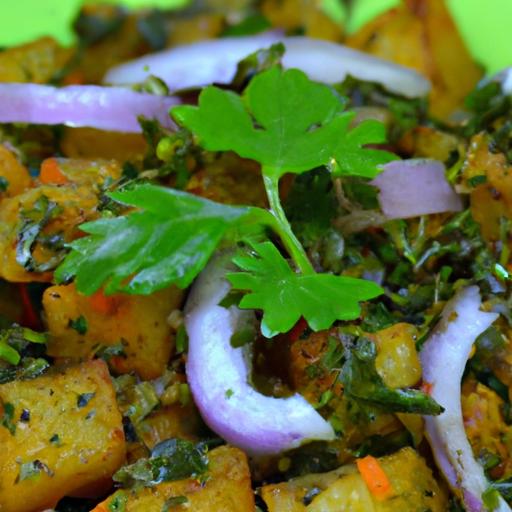
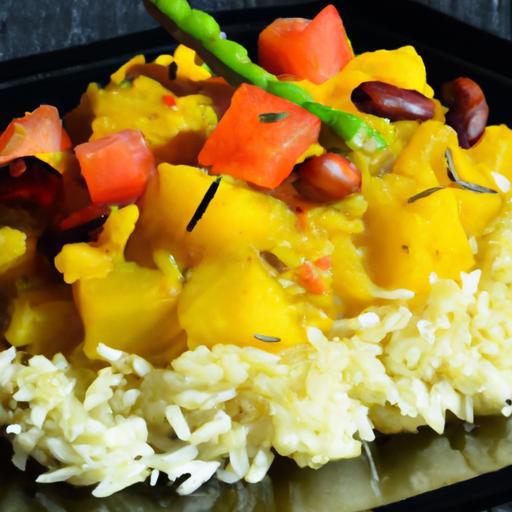
This nutritious moong dal and spinach curry pairs beautifully with warm whole wheat chapatis or steamed brown basmati rice. Garnish with a dollop of plain low-fat yogurt and a sprinkle of toasted pumpkin seeds for added crunch and omega-3s. For a colorful finish, add thinly sliced red onions and a wedge of lime on the side to further invigorate your heart-healthy meal.
| Nutrient | Per Serving |
|---|---|
| Calories | 220 kcal |
| Protein | 14 g |
| Carbohydrates | 30 g |
| Dietary Fiber | 8 g |
| Fat | 5 g (mostly healthy fats) |
| Sodium | 150 mg (low-sodium) |

Delight in the rich colors and textures of this fiber-packed, spice-infused moong dal curry-each element thoughtfully chosen to enhance heart health without sacrificing bold Indian flavors.
For more inspiring kitchen creations, explore our comprehensive guide on Heart-Healthy Foods recommended by nutrition experts.
Q&A
Q&A: Spice Up Wellness – Heart-Healthy Indian Recipes to Savor
Q1: Why focus on Indian recipes for heart health?
A1: Indian cuisine is a vibrant tapestry of flavors and spices, many of which have been treasured for their medicinal properties for centuries. incorporating these heart-friendly ingredients-like turmeric, garlic, and fenugreek-not only elevates taste but also supports cardiovascular well-being, making Indian recipes a flavorful pathway to a healthier heart.
Q2: What makes Indian spices good for the heart?
A2: Spices such as turmeric contain curcumin, a powerful anti-inflammatory compound that helps reduce arterial inflammation. Garlic lowers cholesterol and blood pressure, while cumin and coriander improve digestion and blood sugar regulation. These spices work synergistically to enhance heart health while adding a punch of flavor.
Q3: How can one maintain authentic flavor without excess oil or salt?
A3: The secret lies in mastering spice blends and cooking techniques like roasting, steaming, and simmering.Using fresh herbs like cilantro and mint, lemon juice, and natural sweeteners can amplify taste. Also, opting for heart-healthy oils such as mustard or olive oil in moderation preserves authenticity without compromising nutrition.
Q4: Can you give examples of heart-healthy Indian dishes that are easy to prepare?
A4: Absolutely! Try dishes like Moong Dal Tadka-yellow lentils tempered with cumin and garlic; baingan Bharta-a smoky roasted eggplant mash flavored with tomatoes and spices; and Quinoa Upma, a healthy twist on a traditional semolina breakfast dish packed with veggies and mustard seeds. Each is nutrient-dense and brimming with cardiac benefits.
Q5: How can someone new to Indian cooking integrate these recipes into their wellness routine?
A5: Start simple! Focus on one or two dishes per week and gradually familiarize yourself with spices and ingredients. Shopping at a local Indian or international market adds authenticity. Experiment with spices to suit your palate, and remember, heart health is a journey-savor each step with open taste buds and an open heart.
Q6: Are there any tips to maximize the heart-health benefits when cooking Indian food?
A6: Yes! Use whole grains like brown rice or millets instead of white rice, increase vegetable portions, and opt for plant-based proteins such as lentils and chickpeas. Limit fried foods and heavy creams; instead, rely on spices and fresh herbs for richness and depth.Hydrate well with traditional drinks like spiced buttermilk or herbal teas for added wellness support.
Q7: What role does cultural tradition play in heart-healthy Indian cooking?
A7: Indian culinary traditions emphasize balance-combining tastes (sweet, sour, bitter, salty, pungent) and energies (cooling vs. warming foods) that harmonize body and mind. This holistic approach underlines the importance of mindful eating, portion control, and seasonal ingredients, all integral to nurturing heart health through flavorful, intentional meals.
Embark on this flavorful journey and discover how heart-healthy Indian recipes can do more than satiate hunger-they can uplift the spirit and protect the heart. Spice up your wellness today!
Insights and Conclusions
As the vibrant aromas of turmeric, cumin, and fresh herbs linger on your palate, remember that heart-healthy eating doesn’t mean sacrificing flavor-it’s about embracing it in every wholesome bite. These Indian recipes bring more than spice; they offer a party of wellness, tradition, and nourishment all woven together. By inviting these dishes into your kitchen, you’re not just savoring meals-you’re nurturing your heart and honoring a culinary heritage that knows the true meaning of balance. So go ahead, spice up your wellness journey one delicious, heart-friendly recipe at a time. Your heart will thank you.