
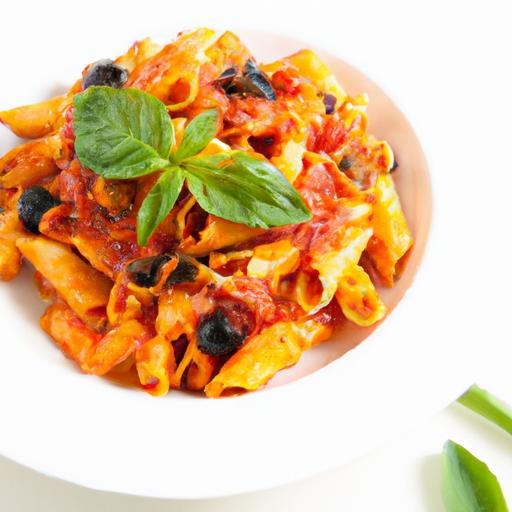
In the bustling kitchens of Naples, where bold flavors and vibrant aromas dance in harmony, pasta puttanesca has long held its place as a culinary icon. this lively dish, born from humble ingredients yet bursting with character, captures the essence of Mediterranean zest and simplicity.
Mastering the classic pasta puttanesca is more than just following a recipe-it’s an invitation to explore a timeless blend of briny olives, tangy capers, and sun-kissed tomatoes that have delighted palates for generations. Join us as we unravel the secrets behind this beloved Italian staple and guide you through each step to create a dish that’s as rich in history as it is indeed in flavor.
Mastering the Classic Pasta Puttanesca brings you a vivid journey into a sauce that bursts with bold flavors-savory, tangy, and deeply umami. Originating from the vibrant coastal region of Naples, Italy, this dish was reputedly crafted in the mid-20th century as a quick, satisfying meal bursting with pantry staples: olives, capers, anchovies, and ripe tomatoes. Each ingredient tells a story, weaving together the rustic charm and resourcefulness of Southern Italian kitchens. The harmonious balance of salty and luminous elements invites you to savor every bite, while the tender yet firm pasta anchors the dish beautifully.
Prep and Cook Time
- Planning: 10 minutes
- Cooking: 20 minutes
- Total Time: 30 minutes
Yield
Serves 4 hearty portions
Difficulty Level
Easy to Medium – Perfect for home cooks looking to impress with minimal fuss
Ingredients
- 400g (14 oz) spaghetti or linguine, preferably a quality durum wheat pasta
- 3 tbsp extra virgin olive oil
- 4 cloves garlic, thinly sliced
- 6-8 anchovy fillets, finely chopped
- 1 tsp red chili flakes, adjust to taste
- 1 can (400g) crushed San Marzano tomatoes, ideally whole or peeled
- 1 cup Kalamata olives, pitted and halved
- 2 tbsp capers, rinsed to remove excess salt
- fresh parsley, chopped, for garnish
- Salt and freshly ground black pepper, to taste
- 1 tbsp fresh lemon juice, optional, for brightness
Step by Step Techniques for a Flavorful and Al Dente Pasta
- Boil the pasta: Bring a large pot of salted water to a rolling boil. add the spaghetti and cook until just shy of al dente-about 1-2 minutes less than package directions. Reserve 1 cup of pasta water before draining.
- Build the sauce: While the pasta cooks, heat olive oil in a large skillet over medium heat. Add sliced garlic and red chili flakes; sauté until fragrant and golden, about 2 minutes, stirring frequently.
- Incorporate anchovies: Add chopped anchovies, stirring until they dissolve into the oil, creating a rich, savory base-about 1-2 minutes.
- Add tomatoes: Pour in the crushed San Marzano tomatoes, stirring to combine. Simmer gently for 10 minutes, allowing the sauce to thicken, stirring occasionally.
- Finish with olives and capers: Stir in the Kalamata olives and rinsed capers. Let the sauce simmer for an additional 5 minutes to marry flavors.
- Combine pasta and sauce: Add the drained pasta directly into the skillet. Toss thoroughly, adding reserved pasta water 2 tablespoons at a time to achieve a silky, glossy consistency that clings perfectly to each strand.
- Season and brighten: Taste and adjust seasoning with salt and black pepper. Stir in a splash of fresh lemon juice to enhance tang and elevate the sauce’s layers.
- Plate and garnish: Serve promptly, generously sprinkled with chopped fresh parsley for color and a fresh herbal note.
Chef’s Notes
- Anchovies: These melt into the sauce, adding a remarkable depth of umami rather than fishiness-don’t skip them, but adjust quantity if you prefer subtler flavor.
- Olive variety: Kalamata works beautifully, but feel free to experiment with other briny olives such as Gaeta for regional variation.
- Capers: Rinse well to tone down excessive salt, preserving their bright bite.
- Pasta options: Traditional long pasta works best to showcase sauce coating. For a gluten-free twist, use chickpea or lentil-based spaghetti.
- Make-ahead: Sauce can be prepared a day prior for enhanced flavor integration-just reheat gently and toss with freshly cooked pasta.
- Spice level: Increase the red chili flakes for a fiery punch, or temper with a pinch of sugar if sauce tastes too acidic.
Creative Twists and Serving Suggestions to Elevate Your Puttanesca Experience
For an inspired spin on this timeless classic, try stirring in a handful of fresh arugula or baby spinach in the final minute of cooking to add a peppery freshness and extra texture contrast. Drizzle with high-quality extra virgin olive oil just before serving to add a luscious sheen and fruity aroma.
Pair your pasta puttanesca with a crisp Italian white wine like Vermentino or a bright citrusy Sauvignon Blanc to complement the vivid acidity and saltiness of the sauce. Presentation matters: serve with a rustic sprinkle of toasted breadcrumbs or pine nuts for crunch, and perhaps some lemon zest for an aromatic flourish.
Elevate your meal further by offering a side of freshly torn focaccia drizzled with olive oil and sprinkled with sea salt, perfect for mopping up the luscious sauce.
| Nutritional Info (per serving) | Calories | Protein | Carbs | Fat |
|---|---|---|---|---|
| Classic Pasta Puttanesca | 420 kcal | 14g | 65g | 10g |

for those eager to explore more Italian pantry classics, check out our guide to classic Italian pasta sauces. To deepen your understanding of Italian culinary heritage, you may also find this encyclopedia entry on Italian cuisine an invaluable resource.
Q&A
Q&A: Mastering the Classic Pasta puttanesca – A Timeless Recipe
Q1: What exactly is Pasta Puttanesca, and where does it come from?
A1: Pasta Puttanesca is a bold and flavorful Italian dish rooted in Naples’ vibrant culinary tradition. The name “puttanesca” roughly translates to “in the style of the prostitute,” famously attributed to the dish’s quick preparation time-ideal for those needing a fast, satisfying meal. It’s a rustic pasta tossed in a tangy, savory sauce made from tomatoes, olives, capers, garlic, anchovies, and chili flakes.
Q2: What makes Puttanesca sauce so unique compared to other pasta sauces?
A2: Puttanesca sauce boasts a symphony of salty, briny, and slightly spicy notes. The anchovies dissolve into the oil, creating an umami-rich depth without overwhelming fishiness. Capers and olives contribute bursts of tartness and saline pop, while garlic and chili add warmth and bite. Unlike creamy or heavy sauces, Puttanesca is vibrant and punchy, delivering bold flavors with simple ingredients.
Q3: Which pasta types work best with Puttanesca?
A3: Traditionally, spaghetti is the go-to pasta, its long, slender strands perfectly coated by the chunky sauce. However, linguine, bucatini, or even penne can lend different textures while still embracing these lively flavors. Choose a pasta that holds sauce well to ensure every bite is a perfect balance of tangy and savory goodness.
Q4: Are anchovies necessary for an authentic Puttanesca?
A4: Absolutely! Anchovies are the soul of the dish, imparting umami and a subtle saltiness that elevate the sauce beyond a simple tomato base. When cooked, anchovies dissolve, infusing the oil without leaving fishy flakes behind. If you’re hesitant, start with a small amount-anchovies conceal themselves within the sauce but reveal a full-bodied depth that’s unmistakably Puttanesca.
Q5: Can I make Puttanesca vegetarian or vegan?
A5: Yes! For a vegetarian or vegan twist, omit the anchovies and enhance the sauce’s savory profile by adding smoked paprika, sun-dried tomatoes, or a splash of soy sauce or miso for depth. Use olive brine or caper juice to mimic the salty tang, and boost garlic and chili flakes to maintain that signature boldness. The result will still celebrate Puttanesca’s bright, briny essence-just with a fresh spin.
Q6: Any insider tips for achieving the perfect flavor balance?
A6: The key is layering! Start by gently frying the anchovies and garlic in olive oil until they melt together, infusing the base. Add olives and capers after the tomatoes simmer to preserve their bite. Taste frequently-the balance of saltiness, acidity, and heat is personal. Adjust with fresh lemon juice for brightness or a pinch of sugar if the tomatoes taste too acidic. Fresh parsley at the end adds a fresh herbaceous contrast.
Q7: How can Puttanesca be served beyond just a pasta dish?
A7: This sauce is incredibly versatile! Use it as a vibrant topping for grilled chicken or fish, a zesty dip for crusty bread, or tossed with roasted vegetables for a flavor-packed side.Its punchy flavor brightens simple dishes and elevates weeknight meals with Mediterranean flair.
Q8: Why has Pasta Puttanesca endured the test of time?
A8: Its brilliance lies in simplicity and boldness-a few humble pantry staples transform into a sauce bursting with character. Puttanesca captures the essence of Italian cooking: unpretentious, quick, and utterly appetizing. This timeless recipe is comfort and sophistication wrapped in one, inviting cooks to savor the magic of minimalism done right.
Discover how mastering this classic recipe can awaken your palate and bring a touch of Italian zest to your kitchen any day of the week!
Closing Remarks
As the bold flavors of anchovies, olives, capers, and tangy tomatoes mingle in your perfectly cooked pasta puttanesca, you’re not just savoring a meal-you’re tasting a rich slice of Italian history. Mastering this timeless recipe means embracing its simplicity and intensity, understanding that each ingredient tells a story of tradition and passion. So whether you’re cooking for a lively dinner or a quiet night in, let your puttanesca be a vibrant reminder: great food is as much about heritage as it is indeed about flavor. Now, with your newfound expertise, it’s time to bring a bit of southern Italy’s spirited soul to your table-bueno appetito!