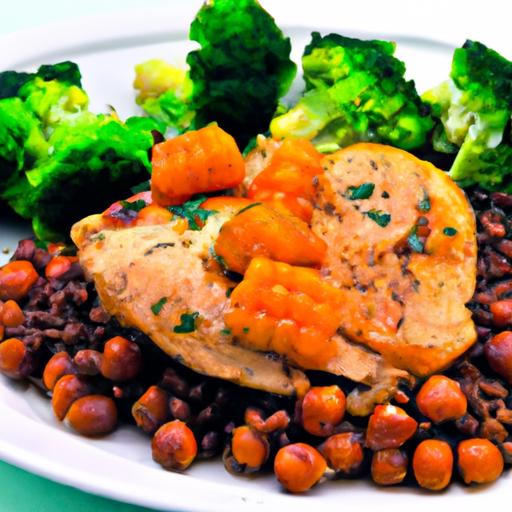

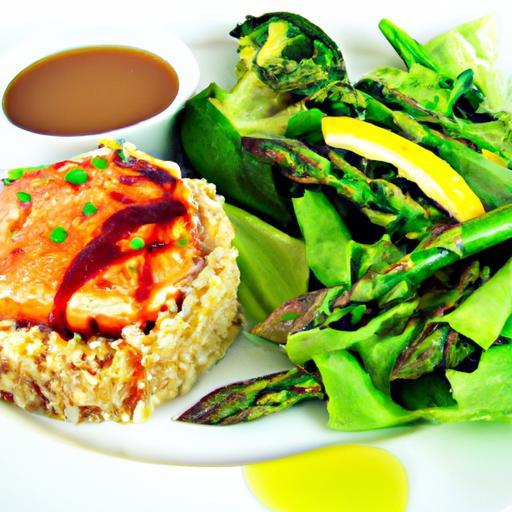
In a world where flavor often dances hand-in-hand with indulgence, the challenge lies in creating meals that not only delight the palate but also nurture the heart. Welcome to the art of heart-smart cooking-a culinary approach that reimagines your favorite dishes using less oil without sacrificing taste or texture. This isn’t about bland substitutions or restrictive diets; it’s about unlocking vibrant, wholesome flavors through thoughtful techniques and smart ingredient choices. Join us as we explore how to craft meals that sing with zest and goodness, proving that eating well and loving your heart can be one and the same.
Heart-Smart Cooking embraces oils that not only support your cardiovascular health but also bring vibrant layers of flavor to every dish. Selecting oils rich in monounsaturated and polyunsaturated fats, like extra virgin olive oil, avocado oil, and walnut oil, can transform your meals into nourishing culinary experiences. These oils stand out for their subtle fruitiness and buttery notes, infusing dishes with a delicate aroma while keeping saturated fats at bay.
Prep and Cook Time
- Preparation: 10 minutes
- Cooking: 20 minutes
- Total: 30 minutes
Yield
Serves 4
Difficulty Level
Easy
Ingredients
- 1 tbsp extra virgin olive oil (for light sautéing)
- 1 medium yellow onion, finely diced
- 3 garlic cloves, minced
- 1 red bell pepper, thinly sliced
- 2 cups chopped kale leaves, stems removed
- 1 cup cooked quinoa
- 1 cup cherry tomatoes, halved
- 1 tsp smoked paprika
- 1/2 tsp ground cumin
- 1/4 tsp cayenne pepper (optional, for a subtle kick)
- 1 tbsp fresh lemon juice
- 2 tbsp chopped fresh parsley
- Salt and freshly ground black pepper, to taste
- Fresh basil leaves, for garnish
Instructions
- Warm the extra virgin olive oil in a large non-stick skillet over medium heat. Add the diced onion and sauté for 3-4 minutes until translucent and fragrant.
- Add the minced garlic and sauté for an additional minute, stirring constantly to prevent burning.
- Introduce the sliced red bell pepper and cook for 5 minutes, stirring occasionally, until tender but still vibrant.
- Stir in the chopped kale, cooking for 3 minutes until wilted but still bright green.
- Sprinkle smoked paprika, ground cumin, and cayenne pepper over the vegetable mixture, stirring to evenly coat for 1 minute to toast the spices gently.
- Gently fold in the cooked quinoa and halved cherry tomatoes, combining all ingredients thoroughly. cook for another 2-3 minutes, allowing flavors to meld.
- Remove from heat and drizzle fresh lemon juice over the skillet. Stir in chopped parsley, then season generously with salt and freshly ground black pepper to taste.
- Serve immediately, garnished with fresh basil leaves for an aromatic finish.
Tips for Success
- Choose cold-pressed, unrefined oils to maximize nutritional benefits and keep the distinctive flavors intact.
- To reduce oil while maintaining moisture, rely on steaming or stir-frying with minimal oil and incorporate a splash of vegetable broth if needed.
- Boost flavor by experimenting with bold spices like sumac, turmeric, or coriander seeds to deepen complexity in low oil recipes.
- For a vegan protein boost, toss in half a cup of roasted chickpeas or toasted walnuts.
- Make-ahead option: This dish reheats beautifully and tastes even better the following day as flavors intensify.
Serving Suggestions
This vibrant quinoa and kale sauté pairs beautifully with a simple side of grilled lemon chicken or baked tofu for a heart-smart delight. Garnish with extra fresh herbs like cilantro or mint, and a sprinkle of toasted pumpkin seeds for extra crunch. A crisp cucumber salad dressed with apple cider vinegar completes this wholesome meal with contrasting textures.
| nutrient | Per Serving |
|---|---|
| Calories | 280 kcal |
| Protein | 8 g |
| Carbohydrates | 38 g |
| Fat | 8 g (primarily healthy fats) |

For more inspiration on heart-healthy dinners, explore our collection of nutrient-rich and easy-to-make recipes that keep oil use minimal without compromising flavor. For science-backed insights on the benefits of healthy oils, check out this American Heart Association guide.
Q&A
Q&A: Heart-Smart Cooking – Flavorful Meals with Less Oil
Q1: Why should I worry about the amount of oil I use when cooking?
A1: While oils add luscious flavor and texture, they’re also calorie-dense and high in fats that, if overconsumed, can impact heart health. Using less oil helps reduce saturated and trans fat intake, which supports healthy cholesterol levels and keeps your heart ticking strong.
Q2: How can I make my meals delicious without drowning everything in oil?
A2: Flavor is never about fat alone. Harness herbs, spices, citrus zest, and aromatics like garlic and ginger to punch up the taste. Techniques such as roasting, steaming, and grilling enhance natural flavors, so you rely less on oil for richness. A splash of broth, vinegar, or a squeeze of lemon can add brightness that satisfies the palate.
Q3: Are there healthier oils I can use in smaller amounts to still get good flavor?
A3: Absolutely! Oils like extra virgin olive oil, avocado oil, and walnut oil pack heart-healthy monounsaturated fats and antioxidants. Using just a teaspoon or two of these oils can provide maximum flavor with minimal fat. Remember, a little goes a long way!
Q4: What cooking methods work best for heart-smart, low-oil meals?
A4: Steaming, poaching, baking, roasting, and stir-frying with a nonstick pan or a light spritz of oil are your best friends. These methods keep food moist without overwhelming it with fat. For a crispy finish, try oven-roasted veggies or air-frying with minimal oil.
Q5: How do I keep texture and moisture in dishes when cutting back on oil?
A5: Use natural moisture-rich ingredients like tomatoes, yogurt, or even applesauce in dressings and marinades. Incorporate nuts or seeds sparingly for crunch, and rely on slow cooking to develop tenderness. Balancing textures through fresh herbs and contrasting crisp elements will keep your dishes exciting and satisfying.
Q6: Can heart-smart cooking still be indulgent and satisfying?
A6: Without a doubt! Flavor depth doesn’t demand a flood of oil-imagine golden-browned garlic, caramelized onions, toasted spices, and vibrant citrus notes dancing together. Cooking with intention unlocks layers of taste that leave you feeling nourished, not weighed down.
Q7: Any fast tips for beginners to start cooking with less oil?
A7: Start by measuring your oil rather than free-pouring. Experiment with nonstick pans and a little water or broth for sautéing. Swap heavy cream-based sauces for pureed veggies or beans, and always brighten dishes at the end with fresh herbs or a splash of acid. Your heart-and taste buds-will thank you!
key Takeaways
Embracing heart-smart cooking doesn’t mean sacrificing flavor or satisfaction. With a little creativity and mindful choices, you can craft meals that not only nourish your heart but also delight your palate. By using less oil and tapping into herbs, spices, and choice cooking methods, every dish becomes an opportunity to celebrate wholesome goodness. So, let your kitchen be a place of vibrant, healthful flavors-where caring for your heart and savoring your food go hand in hand. Here’s to meals that love you back,one delicious bite at a time.