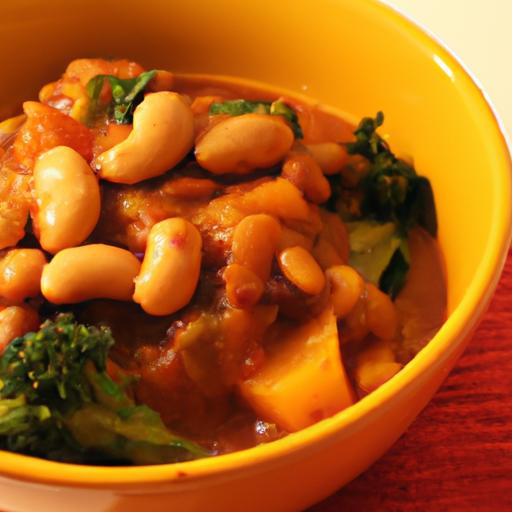

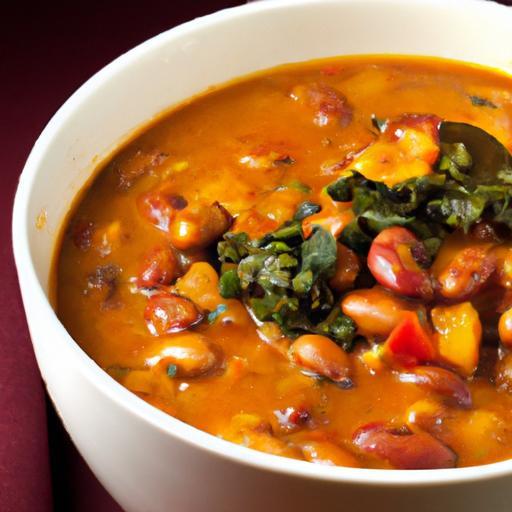
There’s something deeply comforting about a hearty bowl of African peanut stew-the rich blend of spices, creamy peanut butter, and vibrant vegetables coming together in a warm embrace that satisfies both body and soul. But what if you could capture that warmth and flavor, preserving it for busy nights or unexpected guests? Enter the art of storing warmth: freezer-amiable African peanut stew. In this guide, we’ll explore how to prepare, freeze, and reheat this beloved dish without losing a hint of its soulful goodness. Whether you’re meal prepping for the week or simply looking to enjoy this comforting classic on your own time, learn the tips and tricks that keep every spoonful as appetizing as the first.
freezer-friendly African peanut stew bursts with rich flavors and comforting warmth, making it a perfect candidate for meal prepping and savoring later. Mastering how to preserve its creamy texture and vibrant taste begins with choosing the right container and following smart freezing and reheating techniques tailored just for this dish.
Choosing the Perfect Container for Long-Lasting Freshness
When it comes to storing your African peanut stew, selecting containers is key to maintaining that inviting creaminess and deep flavor over time. Opt for airtight, freezer-safe containers made from BPA-free plastic or glass with secure lids. glass jars or containers with locking snap-tight lids are excellent as they prevent freezer burn while looking elegant when plating straight from the fridge.
For convenience, portion your stew into serving-size containers-typically 1 to 1½ cups each. This not only helps with quicker cooling but also reduces waste and repeated reheating, which can degrade texture. Silicone freezer bags are another flexible option; just squeeze out air before sealing to preserve freshness.
Cooling and Portioning Tips to Preserve flavor and Texture
Before freezing, allow the stew to cool wholly at room temperature-this prevents condensation inside containers, which can lead to ice crystals and diluted flavor. Spread the stew in a shallow dish to cool faster or stir occasionally to release steam.
Once cooled, portion your stew carefully. Use ladles or measuring cups to ensure uniform servings, so each reheated portion melts back into creamy comfort without overcooking. Remember to leave about ½ inch of headspace in containers to allow for expansion as the stew freezes.
Step-by-Step Freezing Techniques for Ultimate Convenience
- Label and date: Using freezer tape or a sharpie, mark each container with the stew’s name and freezing date for easy tracking.
- Seal tightly: Press lids firmly in place or squeeze air from freezer bags to avoid exposure to air and freezer burn.
- Lay flat: If using bags, lay them flat in the freezer to save space and speed up thawing.
- Freeze promptly: Store containers in the coldest part of your freezer, ideally at 0°F (-18°C) or lower.
- Use within 3 months: For optimal taste and texture, consume your frozen stew within 12 weeks.
Reheating secrets to Restore Creamy Comfort Every Time
Reheating your African peanut stew perfectly ensures the peanut butter doesn’t separate and the vegetables hold their tender bite. The best method is gentle stovetop warming over low heat, stirring frequently. Add a splash of water, vegetable broth, or coconut milk if the stew seems thick or clumpy-this revives its silky texture.
Alternatively, microwave in short bursts (about 1-2 minutes), stirring between intervals to distribute heat evenly, preventing overheated edges that dry out.
For an extra touch, stir in a teaspoon of freshly squeezed lime juice or a handful of chopped cilantro just before serving to brighten the rich flavors, recreating the stew’s fresh-from-the-pot appeal.
Prep and Cook Time
- Prep: 15 minutes
- Cook: 35 minutes
Yield
Makes 4 generous servings
Difficulty Level
Easy – Perfect for busy weeknights or meal prep!
Ingredients
- 2 tablespoons olive oil
- 1 medium onion, finely chopped
- 3 cloves garlic, minced
- 1 tablespoon ginger, grated
- 2 medium sweet potatoes, peeled and cubed
- 1 red bell pepper, diced
- 1 can (14 oz) diced tomatoes
- 4 cups vegetable broth
- 1 cup natural peanut butter, smooth
- 1 teaspoon smoked paprika
- 1 teaspoon ground cumin
- ½ teaspoon cayenne pepper (optional)
- salt and pepper to taste
- Juice of 1 lime
- Fresh cilantro, for garnish
Instructions
- Heat olive oil in a large pot over medium heat. Sauté onion until translucent, about 5 minutes.
- Add garlic and ginger, cooking until fragrant, roughly 1 minute.
- Stir in sweet potatoes and bell pepper, cooking for an additional 5 minutes to soften slightly.
- Add diced tomatoes, vegetable broth, smoked paprika, cumin, and cayenne pepper. Bring to a boil, then reduce heat and simmer uncovered for 20 minutes, or until sweet potatoes are tender.
- turn heat to low and whisk in peanut butter until fully incorporated into the stew, creating a creamy texture.
- Season with salt and pepper to taste, then remove from heat and stir in lime juice.
- Allow stew to cool slightly before portioning for freezing or serving promptly with a sprinkle of fresh cilantro.
Chef’s Notes
- Variations: Substitute sweet potatoes with butternut squash or add chopped kale for extra greens.
- Peanut butter: Use natural, unsweetened for authentic flavor; creamy blends work best for smoothness.
- Spice it up: Adjust cayenne to your heat preference or add smoked chili powder for more depth.
- Make-ahead: This stew freezes beautifully-prepare double the batch and freeze half for instant comfort food.
- Thickening tip: If stew is too thin after reheating, simmer uncovered a few minutes until thickened.
Serving suggestions
Serve warm bowlfuls atop fluffy white rice, creamy mashed yams, or even buttery couscous. Garnish with chopped cilantro, a dollop of coconut yogurt, and toasted peanuts for texture contrast. pair with warm flatbread or crispy plantain chips to scoop up every luscious drop.
| Nutrient | Per Serving |
|---|---|
| Calories | 380 kcal |
| Protein | 12 g |
| Carbohydrates | 45 g |
| Fat | 15 g |

For more tips on meal prepping wholesome stews, check out our Healthy Weeknight Stews. To learn about peanut butter’s nutritional benefits, visit Harvard Health Publishing.
Q&A
Q&A: storing Warmth – Your Guide to Freezer-Friendly African Peanut Stew
Q1: What makes African Peanut Stew such a great candidate for freezing?
A1: African Peanut Stew is a hearty, rich dish with a robust flavor profile that actually deepens over time. Thanks to its thick, peanut-based broth and slow-cooked vegetables, it freezes beautifully without losing texture or taste. The spices meld even further in the cold, turning each reheated bowl into a comforting hug from the inside out.
Q2: How should I prepare African peanut Stew for freezing?
A2: Before freezing, let your stew cool completely to avoid ice crystals that damage texture. Portion it into airtight containers or heavy-duty freezer bags, leaving some space for expansion. For best results, divide it into meal-sized servings – this way, you can defrost just what you need without waste.
Q3: Can I freeze African Peanut Stew with all the ingredients included?
A3: Most definitely! The stew freezes well with the sweet potatoes, tomatoes, greens, and of course, the peanut butter blended in. However, if your recipe includes delicate greens like spinach, consider adding them fresh when reheating to maintain their vibrant texture and color.
Q4: How long will African Peanut stew keep in the freezer?
A4: For optimal flavor and safety, frozen African Peanut Stew should be enjoyed within 3 months. Beyond that, it’s still safe but may start to lose some of its bright, fresh flavors and silky consistency.
Q5: What’s the best way to reheat frozen African Peanut Stew?
A5: Thaw your stew overnight in the refrigerator for gentle, even defrosting. When ready, reheat it on the stove over medium heat, stirring occasionally until warmed through. If you’re in a hurry, use the microwave on a defrost setting and then heat until steaming. Add fresh greens or a splash of coconut milk during reheating to brighten up the flavors.
Q6: Are there any tips to prevent freezer burn or flavor loss?
A6: Absolutely! Use containers that seal tightly or vacuum-sealed bags for the best protection. Remove as much air as possible before freezing to prevent ice crystals. Label containers with date and contents to keep track. Also, freezing the stew in smaller portions helps minimize exposure to air each time you defrost.
Q7: Can I freeze leftovers of African Peanut Stew that I’ve already reheated once?
A7: It’s best to freeze stew only once to maintain quality and safety. Reheating and refreezing can lead to uneven temperatures, increasing the risk of bacterial growth and deteriorating texture. Plan ahead by freezing in portions sized for single use.
Q8: Does freezing affect the nutritional value of African Peanut Stew?
A8: Freezing preserves most of the stew’s nutrients, especially the protein from peanuts and vitamins from vegetables. Some delicate nutrients may slightly diminish over time, but your stew remains a nourishing, soul-warming meal straight from the freezer.
whether you’re batch-cooking for cozy winter nights or just want an emergency stash of wholesome comfort food, freezing African Peanut Stew is a smart and delicious strategy. Store smart, reheat gently, and enjoy the warming flavors whenever you need a little culinary sunshine.
In Summary
As the comforting aroma of African peanut stew fills your kitchen, knowing you’ve mastered the art of storing its warmth brings a satisfying conclusion to your culinary adventure. Freezing this hearty, flavorful dish isn’t just about convenience-it’s a way to preserve the rich tapestry of spices and textures, ready to thaw and revive on even the busiest days. With these tips in hand, you can embrace the cozy embrace of this stew whenever you crave it, turning your freezer into a treasure trove of wholesome goodness. So go ahead, make a big pot, freeze with care, and let each reheated spoonful carry you back to the vibrant flavors of Africa’s beloved comfort food.