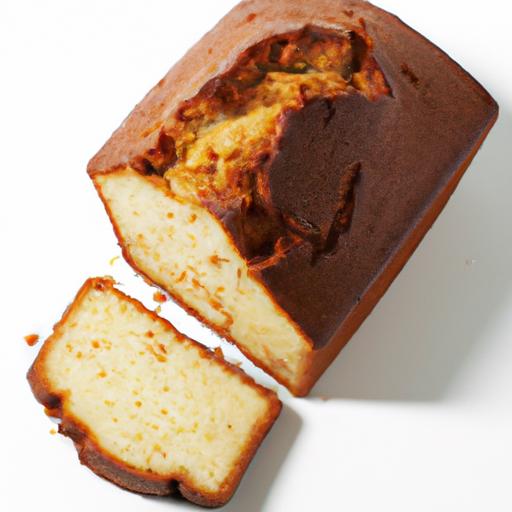

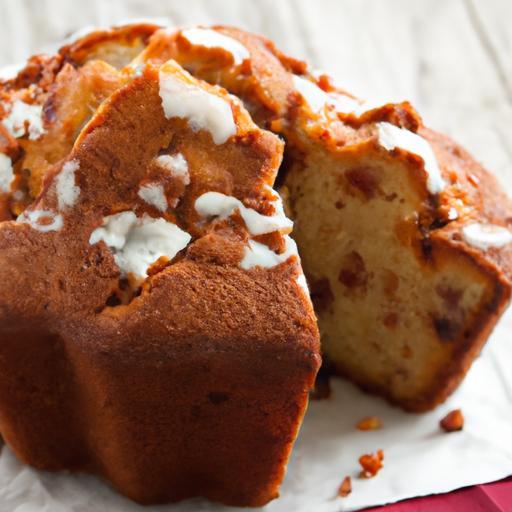
In a world where gluten-free baking frequently enough feels like navigating a maze of mystery flours and unfamiliar techniques, finding tasty, scratch-made cake recipes can seem like a rare treasure. But fear not-gluten-free doesn’t mean flavor-free or fun-free! Whether you’re baking for dietary needs, health reasons, or simply experimenting in the kitchen, this collection of top gluten-free cake recipes promises to delight your taste buds and ignite your creativity. From moist chocolate marvels to fruity, fresh delights, these cakes prove that going gluten-free can be just as indulgent, satisfying, and downright scrumptious as any conventional treat. Ready to roll up your sleeves and bake your way to gluten-free glory? Let’s dive in!
Top Gluten-Free Cake Recipes You Can Bake from Scratch begin with the careful selection of flours that deliver moist, tender cakes bursting with flavor. Venturing beyond traditional wheat flour often feels daunting, but mastering the art of gluten-free baking opens a world of opportunities to create irresistibly light and fluffy cakes that rival any classic dessert. Whether you’re celebrating a special occasion or simply indulging your sweet tooth, understanding the properties of diverse gluten-free flours and how they interact is key to baking perfection.
Prep and Cook Time
- Preparation: 20 minutes
- Cooking: 30-35 minutes
- total Time: 50-55 minutes
yield
Serves 8-10 slices
Difficulty Level
Medium – Ideal for bakers cozy experimenting with option flours
Choosing the Perfect Gluten-Free Flours for Moist and Fluffy Cakes
When baking top gluten-free cake recipes you can bake from scratch, the foundation lies in selecting flours that complement one another. For a soft crumb and tender texture, almond flour adds rich moisture and a nutty aroma, while brown rice flour offers structure without weight. Incorporating moisture-retaining starches like tapioca or potato starch ensures your cake feels light-never dry or crumbly.
Mixing flours rather than relying on a single type helps mimic the elasticity and softness of gluten. For example, a blend of 1 cup brown rice flour,½ cup tapioca starch, and ¼ cup almond flour balances body and moistness superbly in cakes.
Mastering the Art of Texture: Tips for Light and Tender Gluten-Free Bakes
- Don’t overmix: Briefly combine wet and dry ingredients to maintain air bubbles essential for fluffiness.
- Use room temperature ingredients: This promotes better emulsification and gentle aeration of the batter.
- Incorporate binding agents: Ingredients like xanthan gum or psyllium husk powder help structure without toughness.
- Leaven properly: Fresh baking powder paired with egg whites whipped to soft peaks can add a cloud-like lift.
- Add moisture enhancers: Yogurt, applesauce, or honey introduce hydration and natural sweetness, enhancing crumb softness.
Decadent Flavors and Ingredients That Elevate Your Gluten-Free cake Recipes
Top gluten-free cake recipes you can bake from scratch become memorable when complemented by luxurious flavors. Consider:
- Vanilla bean paste or extract for warm, aromatic depth
- Citrus zest to brighten and freshen each bite
- dark chocolate chunks or cocoa powder for indulgence
- nut butters to add richness and subtle savory contrast
- Spices like cinnamon or cardamom to create a unique signature profile
Step-by-Step Baking Techniques to Ensure Perfect Results Every Time
- prepare your pans: Grease and line with parchment paper to prevent sticking and encourage even edges.
- Sift dry ingredients: Combine gluten-free flours, starches, baking powder, baking soda, salt, and any spices to avoid clumps and evenly distribute leavening.
- Whip your wet ingredients: In a separate bowl, beat eggs and sugar until pale and fluffy, then slowly incorporate oil or melted butter and flavorings, maintaining airiness.
- Combine carefully: Gently fold dry ingredients into wet, stopping once incorporated to preserve aeration.
- transfer and level batter: Pour into your prepared pan, smoothing the top with a spatula for uniform rise.
- Bake at 350°F (175°C): Monitor closely, testing doneness with a toothpick inserted in the center; it should emerge clean or with a few moist crumbs.
- Cool properly: Let the cake cool in the pan for 10 minutes, then transfer to a wire rack to cool completely before frosting or slicing.
ingredients
- 1 cup brown rice flour
- ½ cup tapioca starch
- ¼ cup almond flour
- 1 tsp xanthan gum
- 1 ½ tsp baking powder
- ½ tsp baking soda
- ½ tsp fine sea salt
- 3 large eggs, room temperature
- 1 cup granulated sugar
- ½ cup plain Greek yogurt
- ⅓ cup vegetable oil (or melted coconut oil)
- 1 tsp vanilla bean paste
- Zest of 1 lemon (optional)
chef’s Notes and Tips for Success
- Flour substitution: Swap almond flour for ground hazelnuts or pumpkin seed flour for a nutty variation, but maintain the same ratios.
- Moisture management: If batter appears too thick, a few tablespoons of milk or dairy-free alternative can help adjust consistency.
- Layer cakes: Divide batter evenly between two 8-inch pans for multi-layer treats. Wrap and freeze leftover layers for up to one month.
- Crumb testing: Overbaking is a common pitfall-check your cake 5 minutes before suggested bake time.
- Allergy-kind: Omit nuts entirely by replacing almond flour with extra tapioca starch or certified gluten-free oat flour.
Serving Suggestions
This cake truly shines when paired with a light, tangy frosting like lemon cream cheese or whipped coconut cream. Garnish with fresh berries and a sprinkle of toasted coconut flakes to emphasize its moist crumb and elevate your presentation. A dusting of powdered sugar and a few edible flowers can turn it into a centerpiece dessert worthy of any celebration.

| Nutrient | Per Serving |
|---|---|
| Calories | 280 kcal |
| Protein | 6 g |
| Carbohydrates | 35 g |
| Fat | 12 g |
For further inspiration and gluten-free baking tips, visit our Gluten-Free Dessert Recipes page. To learn more about the science behind gluten-free flours, see this official Celiac Disease Foundation resource.
Q&A
Q&A: Top Gluten-Free Cake Recipes You Can Bake from Scratch
Q1: Why should I try baking gluten-free cakes from scratch instead of buying premade mixes?
A1: Baking gluten-free cakes from scratch lets you control every ingredient, ensuring the freshest flavors and the best texture. Plus, it’s a marvelous way to customize your cake to dietary needs or personal tastes, avoiding needless additives or preservatives often found in mixes.
Q2: What are the best flours to use in gluten-free cakes?
A2: The magic usually happens with a blend! Common favorites include almond flour for richness, rice flour for lightness, and tapioca or potato starch for that tender crumb. Combining these flours with a binding agent like xanthan gum or psyllium husk helps mimic the elasticity gluten provides.
Q3: Do gluten-free cakes taste different from traditional cakes?
A3: They can, but with the right recipes and techniques, gluten-free cakes can be just as moist, fluffy, and delicious! Nutty notes from almond or coconut flours add a unique twist that might just become your new favorite flavor.
Q4: Can I use regular cake recipes and just swap the flour for gluten-free flour?
A4: It’s tempting, but gluten-free flours behave differently. Triumphant gluten-free cakes often require adjustments in moisture, baking time, and leavening agents. It’s best to follow recipes designed specifically for gluten-free baking to guarantee top results.
Q5: What’s a foolproof gluten-free cake flavor for beginners?
A5: A classic vanilla almond cake is a perfect start. It’s simple, comforting, and highlights the natural flavors of gluten-free flours beautifully. Plus, it pairs perfectly with fruit toppings or a smooth buttercream.
Q6: How can I ensure my gluten-free cake rises well and isn’t dense?
A6: Use fresh baking powder or baking soda, incorporate enough eggs or egg substitutes for structure, and don’t skimp on mixing in air-lightly beating your batter helps with lift. Also, avoid over-baking; gluten-free cakes can dry out quickly if left too long in the oven.
Q7: Are there any secret ingredients that make gluten-free cakes extra special?
A7: Yes! adding a spoonful of yogurt or applesauce can add moisture and tenderness. A dash of citrus zest or vanilla extract can brighten flavors. And don’t underestimate the power of good-quality chocolate or fresh berries to add bursts of joy.
Q8: where can I find reliable gluten-free cake recipes to try?
A8: Look for reputable gluten-free baking blogs, cookbooks authored by celiac-friendly chefs, and communities of gluten-free bakers online. Our article highlights top recipes tested for taste and texture, so you can bake with confidence!
Ready to dust off your mixing bowls and whip up a gluten-free masterpiece? These Q&A tips are your first step toward delicious, safe, and utterly scrumptious cakes baked from scratch!
Final Thoughts
Baking gluten-free cakes from scratch is more than just a culinary challenge-it’s an invitation to explore new flavors, textures, and ingredients that celebrate creativity and inclusivity in the kitchen. Whether you’re catering to dietary needs or simply eager to expand your baking repertoire, these top gluten-free recipes prove that delicious, moist, and beautifully tender cakes are well within reach. so gather your mixing bowls, preheat your oven, and dive into the wonderful world of gluten-free baking-where every bite tells a story of craftsmanship, care, and a little bit of sweet magic. Happy baking!