
There’s something inherently magical about sushi-the delicate dance of flavors, the vibrant colors, and the artful presentation all coming together in every bite. But what if you could bring that magic into your own kitchen, crafting colorful homemade vegetarian sushi rolls that are as visually stunning as they are flavorful? Whether you’re a seasoned sushi lover or a curious culinary adventurer, making vegetarian sushi at home offers a playful and rewarding way to explore fresh ingredients, bold textures, and creative combinations.
In this article, we’ll guide you through the art of assembling shining, flavorful rolls that celebrate the bounty of the garden, proving that sushi can be both a feast for the eyes and a nourishing delight for the soul-all from the comfort of your own countertop.
Choosing Vibrant Ingredients for Eye-Catching Vegetarian Sushi Rolls
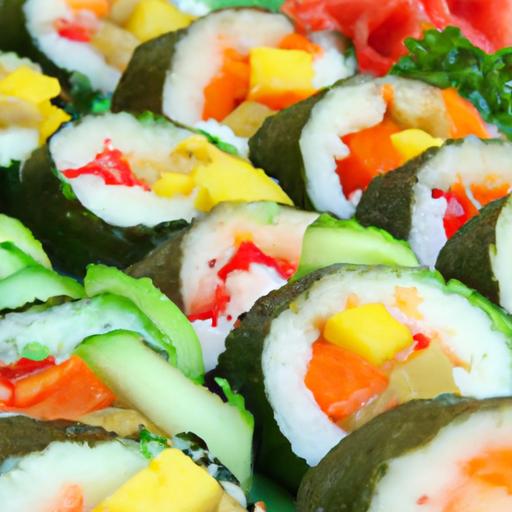
Crafting colorful homemade vegetarian sushi rolls at home begins with selecting the freshest, most vibrant ingredients that not only delight the palate but create a visual masterpiece. Think crisp, jewel-toned vegetables-bright orange carrots julienned thinly, deep green avocado slices, and purple-hued pickled radish-these create contrast and texture that awaken every bite. Incorporating ingredients like crunchy cucumber strips, tender steamed sweet potato, and refreshing shiso leaves infuses authentic flavor layers, while their diverse colors form a mosaic within each roll.
Don’t overlook the power of herbs and garnishes; a sprinkle of toasted sesame seeds or fresh microgreens atop the finished rolls can transform them into an elegant feast for the eyes. Ultimately, choosing vibrant ingredients is about balance-think taste, texture, and color, drawing inspiration from nature’s palette to highlight your culinary creativity.
Mastering Rice Preparation for Perfect Texture and Flavor
The cornerstone of any sushi roll lies in the rice, and mastering rice preparation is essential to crafting colorful homemade vegetarian sushi rolls at home. Start with sushi-grade short-grain rice, rinsed under cold water until the water runs clear to remove excess starch. This helps prevent clumping and achieves that coveted sticky-yet-fluffy texture.
Cook the rice with a precise water-to-rice ratio-typically 1:1.1 by volume-using a rice cooker or stovetop method. Once cooked, season the rice gently with a delicate blend of rice vinegar, sugar, and salt. This seasoned sushi rice should be fanned as you mix it to cool down quickly, lending it a glossy appearance and a perfect bite texture. Warm rice will make rolling a challenge, while cold rice can be dull and hard to mold. Aim for a slightly sticky, slightly cool consistency that’s supple to the touch.
Step-by-Step Rolling Techniques to Achieve Impressive Presentation
Rolling sushi at home is a fun and tactile experience, bringing you closer to the heart of Japanese culinary craft. Begin by laying a bamboo rolling mat on a flat surface, covered lightly with plastic wrap to prevent sticking. Place a sheet of nori seaweed shiny side down, then spread a thin, even layer of your prepared sushi rice across the nori, leaving a 1-inch margin on the top edge.
- arrange your colorful fillings in horizontal lines about one-third up from the bottom edge-incorporate elements like avocado, carrot, cucumber, and pickled radish.
- lift the edge of the mat closest to you and begin rolling tightly but gently over the fillings, using the mat to shape and compress the roll.
- Press and continue rolling forward, peeling the mat away slowly so the roll maintains tension and shape.
- Seal the edge of the nori by moistening the bare strip with a little water, finishing by pressing firmly to close the roll.
- Using a sharp knife dipped in water, slice the roll into evenly sized pieces, wiping the blade clean between cuts for neat edges and minimal sticking.
This technique ensures your vegetarian sushi rolls boast neat, clean lines and vivid filling visibility, creating an irresistible presentation ready to impress your guests or family.
Creative Filling Combinations to Elevate Your Homemade Sushi Experience
To truly personalize your homemade sushi experience, experiment with filling combinations that excite your senses. Consider pairing creamy avocado with crunchy tempura sweet potato and fresh shredded carrot for a play on textures. Another delightful combo is pickled daikon radish, cucumber, and tofu strips marinated in soy-ginger-these introduce an umami depth balanced by crispness.
For a refreshing twist, try mango slices with jalapeño and cilantro, delivering a sweet heat that enlivens customary flavors. Don’t forget protein options like seasoned tempeh or edamame for added substance and nutrition.
Allow your culinary instincts to guide you, and remember that the magic of crafting colorful homemade vegetarian sushi rolls at home lies in mixing bold flavors with eye-catching colors. Each roll becomes a little work of art and a feast for your senses.
Prep and Cook Time
- Preparation: 30 minutes
- Cooking: 20 minutes (including rice cooking and cooling)
- Total Time: 50 minutes
Yield
makes approximately 4 sushi rolls (serves 4 as appetizers or 2 as a meal)
Difficulty Level
Medium – Requires basic knife skills and some practice with rolling technique
Ingredients
- 1 cup sushi-grade short-grain rice
- 1 1/4 cups water
- 3 tbsp rice vinegar
- 1 tbsp sugar
- 1 tsp salt
- 4 sheets nori seaweed
- 1 medium avocado, sliced
- 1 large carrot, julienned
- 1/2 cucumber, julienned (seeds removed)
- 1/4 cup pickled daikon radish, sliced thinly
- 1/2 cup steamed sweet potato, cut into matchsticks
- 2 tbsp toasted sesame seeds
- Optional: 1/4 cup fresh shiso leaves or cilantro
- Water for sealing nori
- Bamboo sushi rolling mat, covered in plastic wrap
Instructions
- Rinse the rice under cold water until it runs clear, then drain.
- Cook the rice with 1 1/4 cups water in a rice cooker or covered pot over low heat for 18 minutes. Let rest covered for 10 minutes.
- Prepare sushi vinegar by dissolving sugar and salt into warm rice vinegar.
- Transfer rice to a large wooden or glass bowl. Gently fold in sushi vinegar with a wooden spatula while fanning to cool and give rice a glossy finish.
- Place a sheet of nori shiny side down on the bamboo mat. With wet hands, spread about 3/4 cup of rice evenly, leaving a 1-inch strip bare at the top.
- Layer fillings horizontally across rice: avocado, carrot, cucumber, pickled radish, and sweet potato.
- Using the mat, carefully roll from the bottom edge, applying gentle pressure and shaping into a firm roll; moisten the uncovered edge to seal.
- Slice the roll into 6-8 pieces with a wet, sharp knife.
- Sprinkle rolls with toasted sesame seeds and garnish with shiso or microgreens if desired.
Tips for Success
- Always keep a small bowl of water beside you to wet your hands and knife, preventing rice from sticking.
- If your rice feels dry or crumbly, it likely cooled too long-warm it gently and re-fan before rolling.
- Use a sharp serrated knife for cleaner cuts and to prevent compressing the roll.
- Experiment with filling thickness-too bulky fillings can make rolling tricky.
- Make ahead tips: Prepare rice and fillings separately and assemble just before serving for freshest texture.
Serving Suggestions
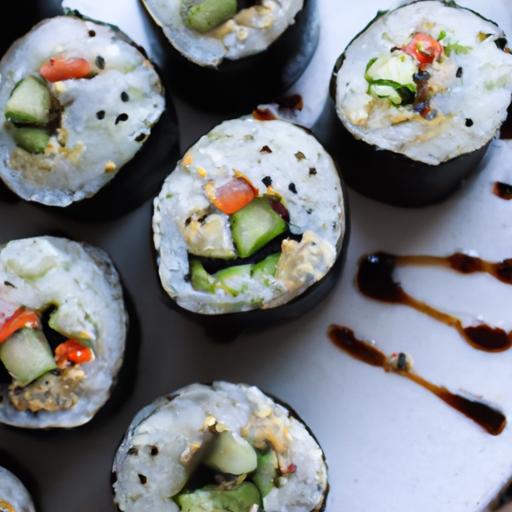
Present your colorful vegetarian sushi rolls on a sleek bamboo platter or matte black plate to highlight their vivid hues. Serve alongside freshly grated wasabi, pickled ginger slices, and a dish of high-quality soy sauce. Add a sprinkle of toasted sesame seeds or microgreens on top for an elegant finish. Pair with a crisp cucumber salad or miso soup to round out this vibrant, healthy meal.

| Nutrient | Per Serving (2 rolls) |
|---|---|
| Calories | 280 kcal |
| Protein | 6 g |
| Carbohydrates | 48 g |
| Fat | 5 g |
For more inventive vegetarian delights, check out our article on Easy Veggie Bento Box Ideas and continue your journey of delicious home cooking.
Q&A
Q&A: Crafting Colorful Homemade Vegetarian Sushi Rolls at Home
Q1: why make vegetarian sushi rolls at home instead of buying them?
A1: Making vegetarian sushi rolls at home lets you control every vibrant ingredient, customize flavors to your liking, and experiment with fresh, colorful veggies that might not be available in stores. Plus, it’s a fun, hands-on culinary adventure that brings a splash of creativity to your kitchen!
Q2: What are the essential ingredients for colorful vegetarian sushi?
A2: the basics include sushi rice (short-grain, sticky rice), nori sheets, and an array of fresh, crunchy vegetables like cucumber, bell peppers, avocado, carrots, and radish. Adding pickled ingredients like ginger or daikon can boost flavor. Don’t forget sesame seeds and a splash of soy sauce or tamari for dipping!
Q3: How do I prepare sushi rice for the perfect sticky texture?
A3: Rinse your short-grain rice under cold water until the water runs clear to remove excess starch. Cook it with a little less water than usual to keep it firm but sticky. Once cooked, gently fold in seasoned rice vinegar (a mix of rice vinegar, sugar, and salt) while the rice is still warm-this gives it that iconic sushi tang and glossy finish.
Q4: Any tips for rolling sushi like a pro?
A4: Use a bamboo sushi mat wrapped in plastic wrap to keep things tidy. spread the rice thinly and evenly over the nori, leaving a small border at the top. Layer your vibrant veggies evenly, then roll tightly but gently-practice makes perfect! For a neat finish, slightly wet your fingers to seal the roll’s edge.
Q5: How can I make my vegetarian sushi rolls more colorful and appealing?
A5: think rainbow on a roll! Mix different textures and tones-crisp orange carrot ribbons, deep green spinach or asparagus, bright yellow mango, and pink pickled ginger. You can even sprinkle black and white sesame seeds on the rice for contrast. Playing with shapes and layering will turn your sushi into edible art.
Q6: Are there any creative vegetarian fillings beyond the basics?
A6: Absolutely! Try roasted sweet potato, marinated tofu, sautéed shiitake mushrooms, or even crunchy tempura vegetables for texture. Fresh herbs like cilantro or shiso add an aromatic twist. For added protein, add a smear of hummus or cream cheese option.
Q7: How do I serve and enjoy my homemade rolls?
A7: Slice your rolls with a sharp, damp knife for clean cuts. Serve with small bowls of soy sauce or tamari, wasabi for a kick, and pickled ginger to cleanse your palate. Pair your sushi with a chilled green tea or sparkling water infused with cucumber for a refreshing dining experience.
Q8: Any final words of encouragement for sushi rookies?
A8: Don’t stress the perfect roll-embrace the joyful messiness! Each roll is a canvas for your creativity, and with every attempt, your skills and confidence will bloom. Homemade vegetarian sushi is as much about the process as the delicious result. Dive in and let your colorful imagination roll free!
To Conclude
As you slice into your vibrant homemade vegetarian sushi rolls, you’ll discover that this artful fusion of fresh ingredients and mindful creativity transforms a simple meal into an experience bursting with color, texture, and flavor. Crafting sushi at home invites you to explore endless combinations, from crunchy cucumber to creamy avocado, all wrapped in the delicate embrace of seasoned rice and nori. Beyond just a dish, it’s a celebration of wholesome ingredients and personal expression on every plate. So roll up your sleeves, gather your favorite veggies, and dive into the joyful process of making sushi that’s as nourishing as it is stunning-because the best rolls are the ones you create with your own hands.