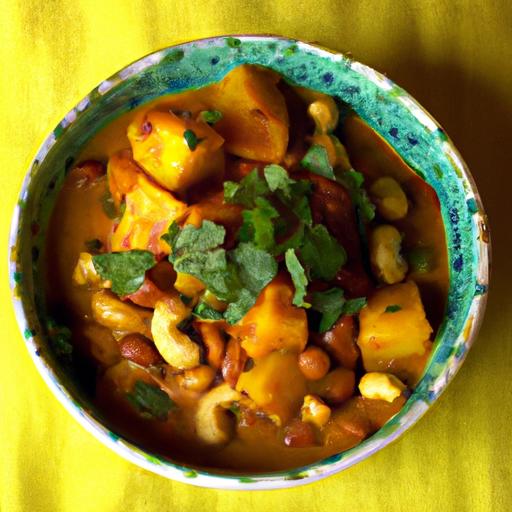

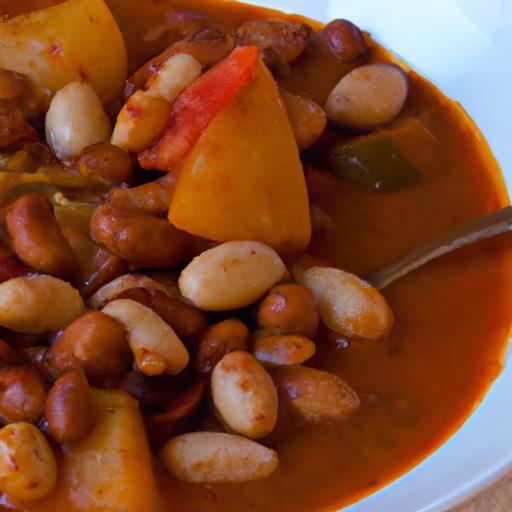
In the heart of vibrant kitchens across Africa, a humble yet hearty dish has long brought comfort and party to the table: African Peanut Stew. This flavorful feast, rich with creamy peanut goodness and an array of wholesome ingredients, captures a perfect balance of warmth, spice, and nourishment. What makes this stew particularly enchanting is its pantry-friendly nature-using staple ingredients that many of us already have on hand, it transforms everyday basics into an remarkable meal. Whether you’re new to African cuisine or a seasoned food lover seeking a quick, satisfying dish, this pantry-friendly African Peanut Stew invites you on a culinary journey that’s as accessible as it is delicious.
Pantry-Friendly African Peanut Stew invites you on a culinary journey through West Africa’s vibrant flavors and hearty comfort. This beloved dish marries creamy peanut butter with a medley of vegetables and spices, creating a rich, warming stew that’s both nourishing and deeply satisfying. From the bustling markets of Senegal to the cozy kitchens of Ghana, peanut stew has long been a symbol of community and culinary ingenuity, transforming humble pantry staples into a soulful feast. Whether you’re looking to explore new tastes or whip up a quick dinner, this recipe blends tradition with convenience, proving that authentic African flavors can be pantry-friendly without compromising depth or complexity.
Prep and Cook Time
Planning: 15 minutes | Cooking: 40 minutes | Total Time: 55 minutes
Yield
Serves 6 hearty portions
Difficulty level
Easy
essential Pantry Staples for a Quick and tasty Preparation
- 1 tablespoon vegetable oil (such as peanut or canola oil)
- 1 medium onion, finely chopped
- 3 cloves garlic, minced
- 1 tablespoon grated fresh ginger
- 2 teaspoons smoked paprika
- 1 teaspoon ground cumin
- 1 teaspoon chili powder (adjust to taste)
- 1 can (14 oz) diced tomatoes
- 4 cups vegetable broth or water
- 1 cup smooth natural peanut butter (preferably unsweetened)
- 2 medium sweet potatoes, peeled and cubed
- 1 cup diced carrots
- 1 red bell pepper, chopped
- 1 can (15 oz) chickpeas, drained and rinsed
- Salt and freshly cracked black pepper, to taste
- Fresh cilantro or parsley for garnish
- Cooked white rice or quinoa, for serving
Mastering the Perfect Balance of Flavors and Textures
- Heat the oil in a large pot over medium heat. Add the chopped onions, sautéing until translucent and fragrant, about 5 minutes, stirring frequently to avoid browning.
- Stir in garlic, ginger, smoked paprika, cumin, and chili powder. Cook, stirring constantly, for 2 minutes to amplify the spices’ aromas without burning.
- Add the diced tomatoes and vegetable broth, bringing the mixture to a gentle simmer.
- Introduce sweet potatoes, carrots, and red bell pepper. Cover and simmer for 20 minutes, or until the vegetables are tender but not mushy.
- Swirl in the peanut butter gradually. Stir vigorously to incorporate it fully into the broth, creating a creamy, velvety texture.
- Mix in the chickpeas, then simmer uncovered for an additional 10 minutes. Taste and season with salt and pepper accordingly.
- If the stew is too thick, adjust the consistency with a splash of water or broth. For a chunkier texture, reserve some vegetables and add them at the end.
Creative Twists to Personalize Your Peanut Stew Experience
Feel empowered to tailor this pantry-friendly African peanut stew to your taste and available ingredients. For a smoky depth, try stirring in a teaspoon of chipotle powder or smoked salt. For extra green goodness and texture, toss in chopped kale or spinach during the final simmer. Vegetarian? This recipe already shines without meat, but adding shredded rotisserie chicken or sautéed sausage can add hearty protein layers. Craving creaminess? A dollop of Greek yogurt or coconut cream brightens each serving beautifully. And don’t forget bright garnishes-fresh lime zest, chopped peanuts, or sliced scallions add eye-catching pops that elevate your bowl from simple to spectacular.
Chef’s Notes
- Substitutions: If peanut butter isn’t your favorite, almond or cashew butter will work, the flavor will shift subtly.
- Make-ahead: Stew flavors deepen beautifully overnight-save leftovers in airtight containers for up to 3 days or freeze for up to 3 months.
- Spice tip: adjust chili powder based on your heat preference; a pinch of cayenne pepper can add a fiery kick.
- Texture tip: For an ultra-smooth stew, blend half the soup before adding chickpeas.
- Vegan option: Stick with vegetable broth, and the dish will be wholly plant-based and delicious.
Serving Suggestions
Serve your peanut stew piping hot over fluffy quinoa or steaming white rice to soak up every velvety drop. A sprinkle of chopped peanuts adds crunch, while fresh cilantro or parsley sprigs brighten the richness. For an adventurous twist, offer sliced avocado or a drizzle of harissa on the side. Pair with warm, crusty bread or traditional African flatbreads to scoop and savor every bite. This stew also shines as a cozy lunch accompanied by a crisp, citrusy salad for contrast.

| Nutrient | Per Serving |
|---|---|
| Calories | 320 kcal |
| Protein | 12 g |
| Carbohydrates | 38 g |
| Fat | 13 g |
For those eager to expand their culinary repertoire, check out the thorough guide on traditional African peanut stew from Southern Living, renowned for their authentic approach and vibrant storytelling.
Q&A
Q&A: Pantry-Friendly African Peanut Stew – A Flavorful Feast
Q1: What makes African Peanut Stew a pantry-friendly dish?
A1: African Peanut stew is a pantry superstar as it relies primarily on staple ingredients you likely already have on hand: peanut butter, canned tomatoes, beans, and a handful of spices. It’s a flexible recipe that doesn’t demand fresh, hard-to-find items, making it perfect for those impromptu dinners or when grocery runs feel like a trek.
Q2: Why peanut butter? Isn’t that an unusual addition to a stew?
A2: While it might sound unconventional, peanut butter is a traditional ingredient in many West African stews. It adds a rich, creamy texture and a subtle, nutty depth that transforms a simple tomato-based stew into a velvety, comforting bowl of goodness. Plus, it’s packed with protein and healthy fats, ramping up the nutrition factor.
Q3: How can I customize the stew based on what’s in my pantry?
A3: The beauty of this stew is its adaptability. Swap chickpeas for kidney beans or lentils; use sweet potatoes instead of regular potatoes; toss in frozen spinach or kale instead of fresh greens. Adjust the heat and spices according to your mood-cayenne, smoked paprika, or even curry powder can add exciting twists.
Q4: Is African Peanut Stew suitable for vegetarians and vegans?
A4: Absolutely! This stew is naturally plant-based and hearty enough to satisfy meat lovers and vegetarians alike. For an extra protein punch, add more beans or cook in some tofu or tempeh. It’s vegan-friendly as long as you avoid any meat-based broths.
Q5: What spices and flavorings are key to making this stew authentic and flavorful?
A5: Essential spices include ginger, garlic, cumin, and a touch of cayenne or chili flakes for warmth. Fresh herbs like cilantro or parsley brighten the dish, while a squeeze of lime juice just before serving balances the richness with a lively zing. The interplay between savory, nutty, tangy, and spicy flavors creates the signature depth that makes this stew unforgettable.
Q6: How do I serve African Peanut Stew for a complete meal?
A6: Serve it over fluffy rice, creamy mashed potatoes, or with dense, crusty bread to soak up every morsel. A side of steamed greens or a crisp salad can add freshness and texture contrast. Leftovers taste even better the next day, making for easy lunches or quick dinners.
Q7: Can I freeze African Peanut Stew?
A7: Yes! This stew freezes beautifully. Store it in airtight containers for up to three months. When reheating, add a splash of water or broth to loosen the sauce if it thickens too much. It’s a perfect make-ahead meal that comes to the rescue on busy days.
Q8: What’s the best way to introduce someone new to African Peanut Stew?
A8: Start by highlighting its comforting, familiar flavors – peanut butter and tomatoes – and emphasize its warm, hearty nature. Encourage them to enjoy it simply, with rice and a sprinkle of fresh herbs. Once hooked, they’ll be eager to experiment with all the wonderful variations this stew inspires.
This Q&A aims to inspire home cooks to embrace African Peanut Stew as a delicious, easy-to-make pantry staple bursting with flavor and versatility. Ready to simmer up a pot? Your kitchen adventure awaits!
In Summary
As the rich aromas of roasted peanuts and fragrant spices linger in your kitchen, this pantry-friendly African peanut stew proves that wholesome, vibrant meals don’t have to be complicated. With simple ingredients that often sit quietly on your shelves, you can create a flavorful feast that celebrates tradition and comfort in every spoonful. Whether you’re a seasoned cook or a curious novice, this stew invites you to explore the warmth of African cuisine while making the most of what’s already in your pantry. So next time you seek a nourishing, hearty dish bursting with depth and character, remember-sometimes the best culinary adventures start right where you are.