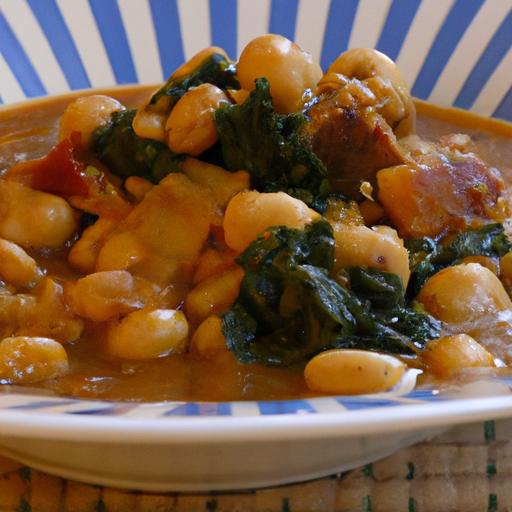

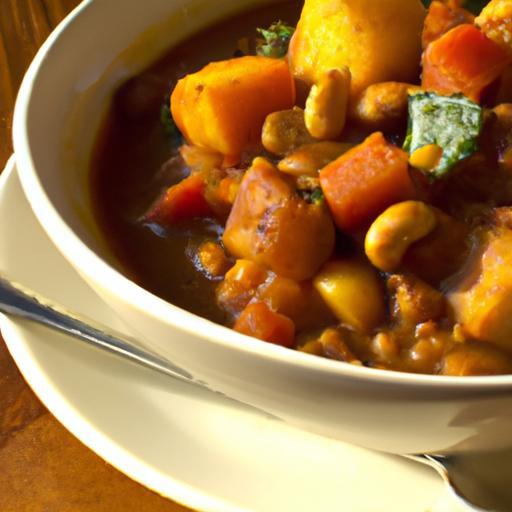
In the heart of African cuisine lies a dish that’s as comforting as it is indeed vibrant: African Peanut Stew. Imagine a bowl brimming wiht rich, creamy peanut flavors, warmed by fragrant spices adn studded with wholesome vegetables-all coming together in a harmony that delights the senses.What makes this stew truly special, though, is its simplicity and accessibility.
You don’t need exotic ingredients or hours in the kitchen to experience its magic. with just a handful of pantry staples, you can bring this soulful dish to your table any night of the week.Join us as we explore how to create a pantry-pleasant African Peanut Stew-a perfect fusion of bold taste and easy preparation that proves flavor doesn’t have to be complicated.
Pantry-Friendly African Peanut Stew is a soul-warming dish that beautifully marries the vibrant flavors and hearty textures rooted deeply in West African culinary traditions. This beloved stew,known as “maafe” or groundnut stew in many regions,has long been a staple for its comforting richness and accessible ingredients. Growing up, I recall sitting around a communal table where this luscious, peanut-infused broth brought families together-its subtle heat and creamy texture creating memories as rich as its taste.
Prep and Cook Time
Preparation: 15 minutes
Cooking: 40 minutes
Total Time: 55 minutes
Yield
Serves 6 hearty bowls of stew
Difficulty Level
Easy – Perfect for beginner and intermediate home cooks looking to explore bold flavors with pantry staples.
Essential Pantry Ingredients for a Flavorful Stew
- 1 tbsp olive oil – for sautéing and depth
- 1 medium onion, finely chopped – adds sweetness and body
- 3 cloves garlic, minced – aromatic base
- 1 tbsp freshly grated ginger – warmth and earthiness
- 1 tsp smoked paprika – mild smokiness
- 1 tsp ground cumin – earthy undertones
- 1/2 tsp cayenne pepper (optional) - subtle heat
- 1 can (14 oz) diced tomatoes – bright acidity
- 4 cups vegetable broth – body and liquid base
- 1 cup creamy peanut butter – star ingredient, creamy and rich
- 2 large sweet potatoes, peeled and cubed - natural sweetness and texture
- 1 can (15 oz) chickpeas, drained and rinsed – protein and bulk
- 2 cups chopped kale or collard greens – vibrant color and nutrition
- Salt and freshly cracked black pepper, to taste
- Juice of 1 lime - to brighten the stew at the end
Step-by-Step Guide to Crafting the Perfect Peanut Stew
- Heat the olive oil in a large pot over medium heat. Add the chopped onion and sauté until it’s translucent and just starting to caramelize, about 5-7 minutes.
- Stir in the garlic and ginger, cooking for an additional 1-2 minutes until fragrant but not browned-it’s key to avoid bitterness here.
- Add the smoked paprika, ground cumin, and cayenne pepper, stirring constantly to toast the spices lightly, releasing their deep aromas.
- Pour in the diced tomatoes with their juices, stirring well to combine, and let the mixture bubble for about 5 minutes to reduce slightly.
- Introduce the vegetable broth and cubed sweet potatoes to the pot. Bring everything to a gentle boil, then reduce heat and let simmer for 15 minutes or until the sweet potatoes are tender.
- Whisk in the peanut butter until the stew reaches a smooth, luscious consistency. If it’s too thick, add a splash more broth or water to reach your desired texture.
- Add the chickpeas and chopped kale, and simmer an additional 5 minutes, stirring occasionally, until the greens wilt and the chickpeas are warmed through.
- Season with salt and pepper, then finish by stirring in fresh lime juice to brighten the rich stew.
- Remove from heat and let rest for a few minutes before serving, allowing the flavors to meld beautifully.
Tips and Variations to Elevate Your Pantry-Friendly African Peanut Stew
For richer depth: Use homemade vegetable broth or add a splash of coconut milk for creaminess and an extra layer of flavor.
Texture play: Blend half the stew before adding chickpeas for a creamier,silky base with hearty chunks.
Protein swaps: Substitute chickpeas with cooked chicken, tofu, or lentils to vary your plant-based or omnivore options.
Vegetable boost: Incorporate diced carrots, bell peppers, or zucchini depending on what’s in your pantry or garden.
Spice adjustment: Adjust cayenne to taste or introduce a mild harissa paste for an exotic flair.
Storage and leftovers: this stew tastes even better the next day. Store in an airtight container in the refrigerator for up to 4 days or freeze for up to 3 months.
Serving Suggestions
- Serve steaming hot over fluffy white rice, quinoa, or even creamy mashed potatoes.
- Top with chopped fresh cilantro or parsley and a handful of crushed roasted peanuts for a delightful crunch.
- A dollop of coconut yogurt or a squeeze of additional lime juice on top can balance richness nicely.
- Pair with warm, crusty bread to soak up the stunning sauce.
| Nutrient | Per Serving |
|---|---|
| Calories | 380 kcal |
| protein | 15 g |
| Carbohydrates | 45 g |
| Fat | 15 g |

Delve deeper into comforting global stews with our Hearty Vegetable Stew Recipe,perfect for chilly evenings. For a closer look into peanut cultivation and its culinary use worldwide, explore this detailed Britannica article.
Q&A
Q&A: Pantry-Friendly African Peanut Stew – Flavor Made Simple
Q1: What makes this African Peanut Stew “pantry-friendly”?
A1: This stew shines as it leans on staple ingredients you likely already have in your kitchen-think canned tomatoes,peanut butter,dried spices,and beans. no fancy or hard-to-find items needed, making it a go-to comfort meal that’s both accessible and satisfying.
Q2: How does this stew capture authentic African flavors using simple pantry ingredients?
A2: The magic lies in blending classic African elements-like creamy peanut butter, warm cinnamon, earthy cumin, and hearty tomatoes-with easy pantry staples. Using aromatics such as garlic and onions, plus a splash of broth or water, the stew simmers into a rich, soulful dish that echoes African culinary traditions without complicated prep.
Q3: Is this recipe suitable for vegetarians or vegans?
A3: Absolutely! The stew is naturally plant-based, highlighting protein-rich beans and the luscious texture of peanut butter for depth and creaminess. For vegans, just confirm your broth is vegetable-based, and you’re all set for a hearty, wholesome meal.
Q4: How can I customize this stew with what I have on hand?
A4: Versatility is key. Swap kidney beans for chickpeas or black beans. If you don’t have fresh onions, dried onion flakes work fine. want a little heat? Add red pepper flakes or a dash of cayenne. Toss in frozen spinach or kale for extra greens. the stew adapts beautifully, so your pantry’s treasures can shine.
Q5: What’s the best way to serve African peanut Stew?
A5: Serve this cozy stew over fluffy rice, quinoa, or even creamy mashed potatoes to soak up every drop of flavor. For added texture, top with chopped roasted peanuts or fresh cilantro. It’s comfort in a bowl that invites extra servings.
Q6: Can I make this stew ahead of time or freeze leftovers?
A6: Yes! Like many hearty stews, it tastes even better the next day once flavors meld. It freezes well too-just cool completely before storing in airtight containers. Reheat gently on the stove or microwave, adding a splash of water if it thickened too much.
Q7: What inspired the simplicity behind this recipe?
A7: The idea was to democratize a beloved African dish, making it approachable for home cooks without exotic ingredients or long lists. Pantry-friendly African Peanut Stew proves that bold flavor and cultural richness can come from humble, everyday items – making global cuisine feel just a pot away.
This Q&A provides a flavorful doorway into making African Peanut Stew an easy, nutrient-packed staple that celebrates simplicity and taste. Give your pantry a culinary adventure today!
To Wrap It up
As the rich, velvety aroma of African Peanut Stew lingers in your kitchen, you realise that bold, comforting flavors don’t have to come with a complicated grocery list. This pantry-friendly recipe transforms humble staples into a vibrant, soul-warming dish that celebrates the beauty of simplicity and tradition. Whether you’re a seasoned home cook or a curious food adventurer, this stew invites you to savor every spoonful-proving that sometimes, the most memorable meals come from what’s already on your shelves. So next time you crave a taste of Africa’s culinary heart, remember: flavor made simple is just a pot away.