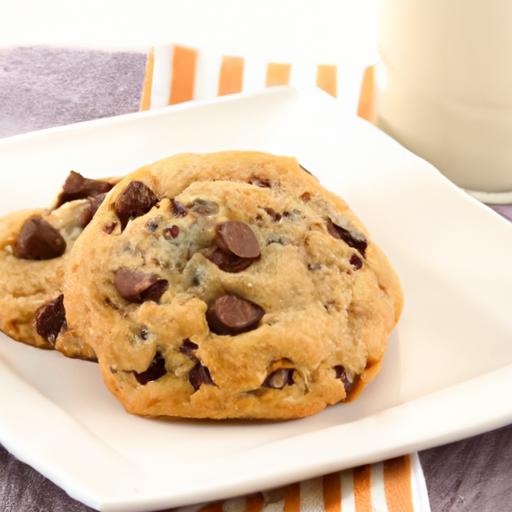

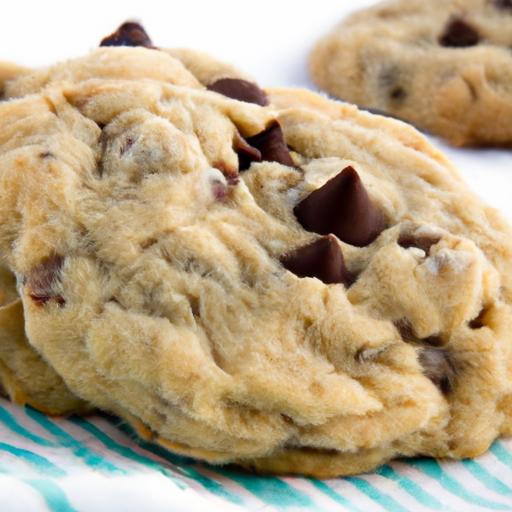
There’s something undeniably comforting about biting into a soft, chewy chocolate chip cookie - that perfect balance of tender crumb and gooey chocolate that feels like a warm hug in dessert form. But for those who follow a gluten-free lifestyle, finding that same melt-in-your-mouth magic can sometimes feel like chasing a sweet mirage. Fear not: the secrets to crafting irresistibly soft and chewy gluten-free chocolate chip cookies are within your grasp. In this article, we’ll unlock the tried-and-true tips, ingredient swaps, and baking tricks that transform humble gluten-free dough into the ultimate cookie experience, proving that delicious texture knows no gluten boundaries.
Soft & Chewy Gluten-Free chocolate Chip Cookie Secrets
Diving into the world of soft & chewy gluten-free chocolate chip cookie secrets means embracing the art of selecting the perfect flours, mastering moisture balance, and refining baking techniques to create cookie bliss that rivals customary treats. Whether you’ve struggled with crumbly bites or dry textures in the past, this guide will unfold the proven strategies that transform simple ingredients into irresistibly tender, chewy cookies full of rich chocolate goodness.
Prep and Cook Time
- Preparation: 15 minutes
- Baking: 12-15 minutes
- Total Time: 30 minutes including cooling
Yield
- Approximately 24 medium-sized cookies
Difficulty Level
- easy to Medium – Perfect for bakers at any level looking to nail gluten-free textures
Ingredients
- 1 cup gluten-free all-purpose flour blend (with xanthan gum included)
- ½ cup almond flour, finely ground
- ¼ cup tapioca starch (for added chewiness)
- ½ teaspoon baking soda
- ½ teaspoon fine sea salt
- ½ cup unsalted butter, softened
- ⅓ cup light brown sugar, packed
- ⅓ cup granulated sugar
- 1 large egg, room temperature
- 1 teaspoon pure vanilla extract
- ¼ cup sour cream (or Greek yogurt for moisture and tenderness)
- 1 cup semi-sweet chocolate chips (or chopped dark chocolate)
Instructions
- preheat your oven to 350°F (175°C). Line two baking sheets with parchment paper to prevent sticking.
- Whisk together the gluten-free all-purpose flour, almond flour, tapioca starch, baking soda, and salt in a medium bowl. This blend ensures softness and chewiness by combining flours that each play a unique role in texture.
- Cream the butter, light brown sugar, and granulated sugar in a large bowl using a hand mixer or stand mixer on medium speed until light and fluffy, about 3-4 minutes. The brown sugar keeps the cookies moist and adds depth of flavor, while granulated sugar contributes to the perfect bite.
- Beat in the egg, vanilla, and sour cream until smooth and fully combined. The sour cream is the secret moisture master, encouraging softness without overwhelming the dough.
- gradually add the dry ingredients into the wet mixture, mixing on low speed just until combined. Avoid over mixing to keep the cookies tender.
- Fold in the chocolate chips evenly with a spatula, ensuring every bite delivers a gooey chocolate surprise.
- Using a cookie scoop or tablespoon, drop the dough onto the prepared baking sheets, spacing them about 2 inches apart to allow gentle spreading.
- Bake in the preheated oven for 12-15 minutes or until the edges are lightly golden but the centers still look soft. The cookies will firm slightly as they cool.
- Let the cookies cool on the baking sheet for 5 minutes before transferring to a wire rack to finish cooling. This resting phase is crucial for perfect chewiness and softness.
Chef’s Notes: Tips for Success
- For ultimate softness, avoid using only one type of gluten-free flour. The combination of all-purpose blend, almond flour, and tapioca starch creates a moisture-locking, chewy result.
- If you want a dairy-free version, substitute the butter for coconut oil and the sour cream for plain coconut yogurt.
- Room temperature eggs and butter incorporate more evenly into the dough, helping with texture.
- If dough feels too sticky, chill it for 30 minutes to aid in handling, but do not over-chill or cookies might lose softness.
- Experiment with dark, milk, or even white chocolate chips along with chopped nuts for unique flavor profiles.
- These cookies are best enjoyed fresh but can be stored in an airtight container at room temperature for up to 3 days or frozen for longer storage.
Serving Suggestions
Present your cookies alongside a glass of cold milk or a cup of rich coffee for an indulgent experience. Garnish with a light sprinkle of flaky sea salt to elevate the chocolate’s richness or pair them with fresh berries and whipped cream for delightful contrast. For a special treat, warm cookies slightly and serve with a scoop of vanilla bean ice cream drizzled with chocolate sauce.

| Nutrient | Per Cookie (approx.) |
|---|---|
| Calories | 150 |
| Protein | 2.5g |
| Carbohydrates | 18g |
| Fat | 8g |
Discover more about gluten-free baking essentials in our Thorough Gluten-Free Baking Guide and deepen your baking mastery. For scientific insights on flour properties and gluten-free alternatives, visit the Celiac Disease Foundation.
Q&A
Q&A: Soft & Chewy Gluten-Free Chocolate Chip Cookie Secrets
Q1: Why do gluten-free cookies often turn out crumbly or dry?
A: Gluten provides structure and elasticity to traditional cookies, helping them stay soft and chewy. Without gluten, the dough can lack that binding quality, causing cookies to crumble or dry out. The key is using the right combination of gluten-free flours and moisture-locking ingredients to mimic that tender chewiness.
Q2: What’s the best gluten-free flour for soft and chewy chocolate chip cookies?
A: A blend is your best friend. Single flours like rice or almond can result in gritty or dense cookies. Combining gluten-free flours-such as brown rice flour, tapioca starch, and sweet rice flour-creates the perfect balance of structure, moisture retention, and chewiness. Using a pre-made gluten-free baking mix also ensures consistent results.
Q3: How important is the fat content in gluten-free chocolate chip cookies?
A: Very important! Fats like butter or coconut oil coat the flour particles, preventing dryness and helping create tender, chewy bites. Sometimes adding a bit of cream cheese or yogurt can boost moisture and softness, giving that melt-in-your-mouth sensation you crave.
Q4: Can I still achieve chewy texture without eggs?
A: Absolutely. Eggs add moisture and help bind ingredients, but if you’re egg-free, try substitutes like flax eggs or chia eggs. Moisture-rich add-ins like applesauce or mashed banana can also provide chewiness while keeping cookies soft.
Q5: Why do some gluten-free cookies spread too much or stay too thick?
A: It’s all about balance. Too much fat or sugar causes cookies to spread like little edible puddles,while excess flour or lack of leavening keeps them dense. Measuring accurately, chilling the dough, and sometimes tweaking baking powder or baking soda quantities will help you achieve that perfect cookie shape with a soft center and slightly crisp edge.
Q6: Can soaking flour help with texture?
A: Soaking gluten-free flour in wet ingredients for 15-30 minutes before baking can hydrate the starches thoroughly. This simple step results in a more cohesive dough and ultimately produces a softer, chewier cookie, close to classic gluten-ful treats.
Q7: what’s the secret to that classic soft and chewy chocolate chip cookie taste in gluten-free baking?
A: Beyond flour blends and moisture, don’t skimp on vanilla extract and brown sugar. Brown sugar adds both moisture and a caramel-y depth, essential for that familiar chewy chew. Also, melting a portion of your butter instead of using it all solid helps with texture, giving you cookies that are utterly soft but still hold their shape.
Bottom line: Gluten-free doesn’t mean sacrificing softness or chewiness. With the right flour blend, moisture balance, and a few clever tweaks, your chocolate chip cookies can be just as irresistible-if not more so-than the traditional kind. Get ready to bake, share, and savor that perfect gluten-free treat!
Wrapping Up
Baking the perfect soft and chewy gluten-free chocolate chip cookie might seem like a delightful mystery, but with the right blend of ingredients and techniques, it’s fully within your grasp. From choosing the ideal gluten-free flour to mastering moisture balance and mixing methods, these secrets unlock a world where every bite melts in your mouth with wholesome goodness. So next time you crave that classic comfort treat without the gluten, remember: a little science, a pinch of patience, and a sprinkle of love can turn your kitchen into a gluten-free cookie haven. Happy baking!