
Imagine a cloud so light and airy that it melts on your tongue-now, imagine it’s entirely plant-based, free from dairy, and surprisingly simple to make at home. Welcome to the tantalizing world of vegan whipped cream, where fluffy decadence meets compassionate eating. Whether you’re navigating lactose intolerance, embracing a vegan lifestyle, or simply curious about dairy-free alternatives, mastering the basics of vegan whipped cream opens a gateway to luscious desserts and delightful toppings without compromise.
In this article, we’ll explore the art of crafting the perfect dairy-free fluff-revealing ingredients, techniques, and tips that transform humble plant-based staples into a creamy masterpiece that rivals traditional whipped cream in both taste and texture.
Understanding Plant-Based Ingredients for the Perfect Whip
Fluffy & dairy-free whipped cream starts with selecting the right plant-based ingredients that provide both structure and a creamy mouthfeel. the most popular foundation is full-fat coconut milk or cream, prized for its natural richness and capacity to whip into soft peaks. Another excellent option is aquafaba-the liquid from cooked chickpeas-which mimics egg whites with its remarkable ability to trap air and form light foam. Cashews soaked and blended also offer a silky texture, though they require chilling and stabilization to whip properly.
Choosing an unrefined, high-fat content coconut cream ensures the fluffiness needed to achieve that classic whipped cream feel, while aquafaba offers an allergen-friendly alternative that’s perfect for nut-free and soy-free diets. For added creaminess, some creators incorporate vegan cream cheese or plant-based yogurts, balancing richness with slight tanginess. Each option lends a unique texture and flavor, so experimenting will help you discover your ideal base for vegan whipped cream.
Techniques to Achieve Light and Airy Texture Without dairy
Achieving fluffy, airy vegan whipped cream requires mastering a few key techniques. Start by chilling your chosen plant-based base thoroughly-cold temperatures promote fat crystallization, crucial for trapping air. When whipping coconut cream, scrape only the solidified portion from a refrigerated can, leaving the watery liquid behind. Use a chilled metal mixing bowl and cold beaters to maintain temperature, ensuring stability in your whip.
With aquafaba, it’s essential to whip on medium-high speed patiently-it can take 7-10 minutes to reach stiff peaks. Incorporate a pinch of cream of tartar or lemon juice for added stability and volume. Sweetening gradually with powdered sugar instead of granulated helps maintain structure without causing deflation. For a silky finish, fold in a splash of coconut or almond milk once whipped to loosen overly stiff peaks, making it easier to spread or pipe.
Flavor Enhancements that Elevate Your Vegan Whipped Cream
Plant-based whipped cream thrives when infused with subtle, natural flavors that elevate its culinary presence. Vanilla extract is a classic enhancer-opt for pure vanilla bean paste or extract for the best aroma. For a hint of warmth and depth, try almond extract or a touch of cinnamon. A dash of maple syrup or agave adds nuanced sweetness with a delicate, earthy undertone that pairs beautifully with desserts.
For experimented palates, zest of citrus fruits like lemon, orange, or lime adds a refreshing brightness. A splash of quality coffee or even rosewater can turn the whipped cream into a gourmet topping. Don’t forget that delicate salts-like a sprinkle of flaky sea salt-can intensify sweetness and bring balance. Incorporating matcha powder or cocoa powder transforms your whipped cream into a striking visual and flavorful delight.
Storing and Serving Tips to Maintain Freshness and Fluffiness
Once whipped, vegan whipped cream is best enjoyed immediately to savor its peak fluffiness. However, when storing, keep it chilled in an airtight container to prevent drying or flavor absorption from other fridge odors. coconut-based whipped cream holds its shape well overnight; simply give a gentle re-whip with clean beaters to restore volume if needed. Aquafaba whipped cream is slightly more delicate-consume within 24 hours for best texture.
When serving, pipe or spoon the cream atop chilled desserts rather than warm ones to prevent melting. Garnish with fresh berries, toasted coconut flakes, or dark chocolate shavings to create an irresistible presentation. For gatherings, serve in chilled bowls or cups to prolong stability, ensuring each spoonful remains airy and luscious.
Prep and Cook Time
- Prep Time: 10 minutes
- Chilling Time: 4+ hours (for coconut cream)
- Whipping Time: 5-10 minutes
Yield
Makes approximately 2 cups of vegan whipped cream, serving 6-8 as a topping.
Difficulty Level
Easy-perfect for beginners wanting to master fluffy & dairy-free whipped cream at home.
Ingredients
- 1 can (14 oz) full-fat coconut milk, refrigerated overnight
- 2 tablespoons powdered sugar (or to taste)
- 1 teaspoon pure vanilla extract
- Pinch of sea salt
- Optional: ½ teaspoon cream of tartar (for extra stability)
Instructions
- Chill the can of coconut milk overnight in the refrigerator to allow the cream to separate and solidify on top.
- Open the can carefully and scoop out only the solid coconut cream into a chilled mixing bowl, avoiding the liquid.
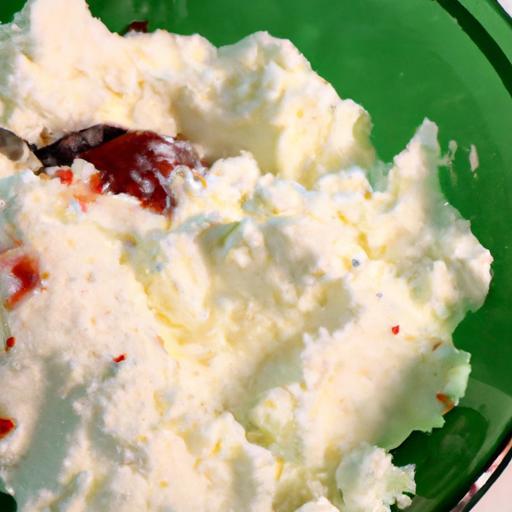
- Using an electric mixer, whip the coconut cream on medium speed for 2 minutes until soft peaks form.
- Add powdered sugar, vanilla extract, and sea salt gradually while continuing to whip on high speed for an additional 3-4 minutes until fluffy and light.
- Optional: Sprinkle in cream of tartar while whipping to enhance the cream’s stability, especially useful if the coconut is not ultra-fatty.
- Do a swift taste test and adjust sweetness or vanilla if desired.
- Serve immediately or store in an airtight container in the fridge. Re-whip briefly if it deflates before serving.
Chef’s Notes & Tips for Success
- Use full-fat coconut milk only; light versions lack sufficient fat, hindering whip formation.
- keep all tools and ingredients cold to enhance the whipping process.
- When storing, avoid freezing as it changes texture dramatically.
- Switch up flavors with almond, maple, or citrus zest for unique twists.
- For aquafaba version, use 3 tablespoons aquafaba per ½ cup powdered sugar; whip with cream of tartar for peaks.
Serving Suggestions
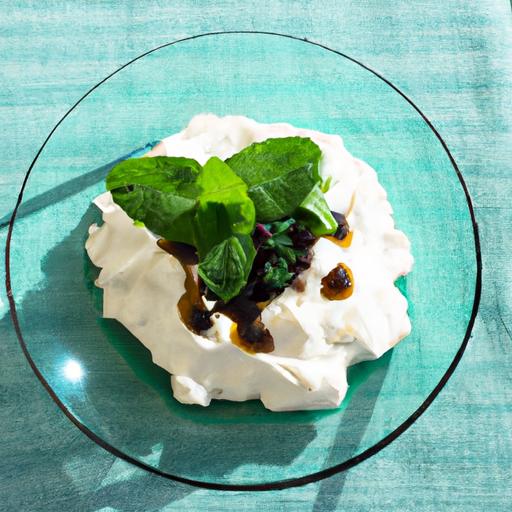
Pile this vegan whipped cream lavishly on fruit pies, hot chocolate, or coconut milk ice cream. For a stunning dessert plate, pipe rosettes using a star tip onto vegan carrot cake or berry tarts. garnish with fresh mint leaves, toasted nuts, or edible flowers to add visual contrast and elevate the sensory experience.
| Nutrient | Per 2 tbsp (30g) |
|---|---|
| Calories | 90 |
| Protein | 0.5g |
| Carbohydrates | 2g |
| Fat | 9g |
Learn more about coconut cream nutritional benefits.
For more plant-based dessert inspiration, check out our Vegan Dessert Recipes collection.

Q&A
Q&A: Fluffy & Dairy-Free – Mastering Vegan Whipped Cream Basics
Q1: What is vegan whipped cream, and how dose it differ from traditional whipped cream?
A: Vegan whipped cream is a dairy-free alternative made without cow’s milk or cream. Instead, it relies on plant-based ingredients like coconut milk, aquafaba (chickpea water), or nut-based creams. Unlike traditional whipped cream, which is rich and heavy due to dairy fats, vegan versions offer a diverse range of textures and flavors-from light and airy to creamy and indulgent-making them perfect for anyone avoiding animal products or lactose.
Q2: What are the best ingredients for making vegan whipped cream at home?
A: The most popular base is full-fat coconut milk or coconut cream, thanks to their natural richness and ability to whip up thick and fluffy. Aquafaba, the liquid from canned chickpeas, is a fantastic low-fat alternative that whips into glossy peaks much like egg whites. Other options include cashew cream, soy cream, or store-bought vegan whipping creams. Each imparts a unique taste and texture, so your choice depends on the flavor profile and consistency you desire.
Q3: How do you achieve fluffy peaks without dairy fats?
A: Fluffiness in whipped cream comes from trapping air within fat molecules. In vegan whipped cream, you rely on natural plant fats and proteins. For coconut cream, chilling it overnight firms up the fat, allowing it to whip properly when beaten. With aquafaba, the proteins mimic egg whites, so whipping with a bit of sugar and an acid (like cream of tartar or lemon juice) stabilizes the foam. Patience is key-start slow, gradually increase speed, and stop as soon as stiff peaks form to avoid deflation.
Q4: Can vegan whipped cream be sweetened and flavored like traditional whipped cream?
A: Absolutely! Vegan whipped cream is a blank canvas for creativity. You can add vanilla extract, maple syrup, powdered sugar, or agave nectar during whipping. For a twist, try cocoa powder for chocolatey goodness, citrus zest for brightness, or spices like cinnamon and cardamom for warmth. As some bases have neutral or mildly coconutty flavors, flavoring helps customize your cream for any dessert.
Q5: How should vegan whipped cream be stored, and how long does it last?
A: Homemade vegan whipped cream is best enjoyed fresh but can be stored in an airtight container in the fridge for 2-3 days. Coconut-based creams may firm up or separate upon chilling; just give a quick stir before serving. Aquafaba whipped cream can deflate over time, so it’s ideal to make it right before use. For longer storage, consider freezing dollops on a baking sheet, then transferring them to a container for use in smoothies or hot drinks later.
Q6: Are they any tips for beginners wanting to master vegan whipped cream?
A: yes! Chill all your equipment-bowls and beaters-before starting. This keeps fats firm and aids whipping. Use full-fat coconut milk cans (not “light” versions) for best results. When working with aquafaba, be sure to drain chickpeas well and use unsalted, plain liquid. Don’t rush the whipping process; gradual incorporation of air is essential. experiment boldly-each brand of coconut milk or aquafaba can behave differently, so a little trial and error will lead to perfection.
Q7: Can vegan whipped cream be used in cooking and baking like traditional cream?
A: Yes! vegan whipped cream is versatile. Use it as a topping for pies, cakes, hot chocolate, or fresh fruit. It also makes appetizing fillings for crepes or layered desserts. However, note that coconut-based creams have a distinct flavor and may not hold up to high heat and also dairy cream, so adjust recipes as needed. For sauces or ganaches, consider using vegan creams specifically designed to withstand cooking temperatures.
Mastering vegan whipped cream means welcoming a world of fluffy, luscious, dairy-free delights. Whether you’re plant-based, lactose-intolerant, or simply craving a fresh take on classic whipped cream, these basics set you on a sweet, airy path to dessert bliss!
Key takeaways
Whipping up the perfect vegan whipped cream doesn’t have to remain a mystery reserved for the pros. With a few plant-based ingredients, a bit of practice, and the right techniques, you can create fluffy, luscious dollops that elevate everything from pies to smoothies. Whether you’re dairy-free by choice or necessity, mastering these basics opens the door to endless creamy, dreamy desserts-without a drop of dairy in sight. so next time you reach for a topping, remember: vegan whipped cream isn’t just an alternative; it’s a delightful new standard in your kitchen repertoire. Happy whipping!