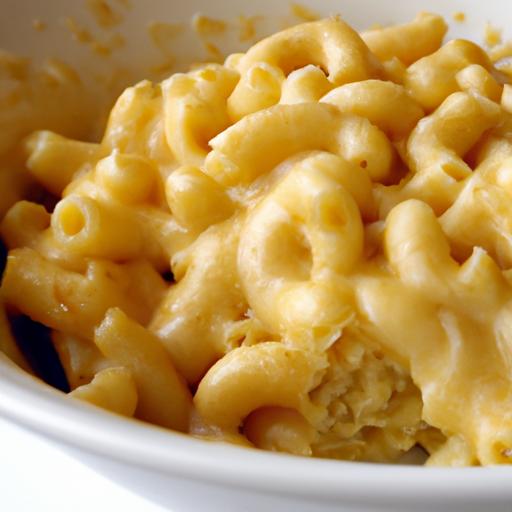

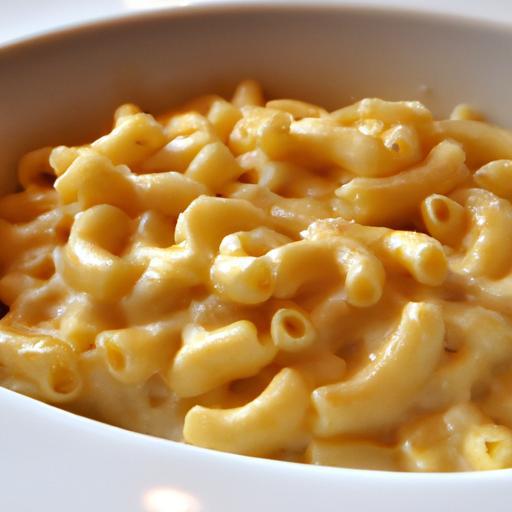
There’s something undeniably comforting about a steaming bowl of mac and cheese-the way the creamy sauce clings to each tender noodle, the rich, cheesy aroma that fills the kitchen, and the nostalgic warmth it brings to every bite. But for those navigating gluten sensitivities or simply seeking to avoid gluten, this classic comfort food can sometimes feel out of reach. Fear not: this indulgent creamy gluten-free mac and cheese recipe guide is here to bridge that gap.
Whether you’re a seasoned chef or a curious home cook, we’ll explore how to achieve that luscious, cheesy goodness without compromising on texture or flavor. Get ready to transform a timeless favorite into a gluten-free masterpiece that satisfies every craving and welcomes everyone to the table.
Choosing the Perfect Gluten-free Ingredients for Ultimate Creaminess
Indulging in a creamy gluten-free mac and cheese that melts beautifully on the palate is an art that begins with selecting ingredients designed to deliver rich texture without compromise. Conventional wheat-based flours often lend that comforting thickness, but embracing gluten-free options opens a world of natural creaminess and flavor nuance.
Opt for gluten-free all-purpose flour blends that balance rice, tapioca, and potato starches for a smooth, lump-free roux. alternatively, arrowroot powder or cornstarch can provide a silky base that thickens without heaviness. the secret lies in combining these with whole milk or cream, where proteins and fats create the luscious body synonymous with indulgence.
Mastering the Art of Texture with Dairy and Option Cheeses
The hallmark of ultimate creaminess is the cheese selection, which must marry meltability and flavor depth. Classic choices like sharp white cheddar provide tang and richness, but blending in softer, melting cheeses like fontina, gouda, or mozzarella elevates the texture to velvety perfection.
For those exploring dairy alternatives, creamy cashew-based cheeses or almond-based ricotta substitutes offer lushness without sacrificing the all-crucial melt factor. Remember, avoiding pre-shredded cheeses that contain anti-caking agents is crucial in gluten-free cooking, as these can hinder smooth melting.
Tips and Tricks for Achieving Rich flavor Without Gluten
- Roast garlic and caramelize onions as a flavorful base to add complexity beyond the cheese.
- Incorporate a touch of smoked paprika, mustard powder, or white pepper to awaken the cheese sauce without overpowering it.
- Use homemade gluten-free broth or vegetable stock instead of water to add depth when thinning your sauce.
- Add a splash of dry white wine or a squeeze of lemon juice at the end to brighten flavors.
Creative Additions to Elevate Your Mac and Cheese Experience
Transform your gluten-free mac and cheese from comforting to gourmet with thoughtfully chosen add-ins. Crispy gluten-free breadcrumbs toasted in butter add satisfying crunch on top, while sautéed mushrooms or caramelized shallots lend earthiness and sweetness. For a spicy kick, fold in jalapeños or a dash of cayenne pepper.
Fresh herbs like thyme or chives bring vibrant freshness, and for an unexpected burst, stir in sun-dried tomatoes or roasted red peppers. These nuances not only enrich the flavor but also add visual appeal, making every bite a festivity of textures and tastes.
Prep and Cook Time
- Preparation: 15 minutes
- Cooking: 25 minutes
- Total Time: 40 minutes
yield
Serves 4 generous portions
Difficulty Level
Medium – perfect for home cooks comfortable with basic sauce-making and ingredient substitutions
Ingredients
- 8 ounces gluten-free elbow macaroni
- 3 tablespoons unsalted butter
- 3 tablespoons gluten-free all-purpose flour blend
- 3 cups whole milk, warmed
- 1 cup shredded sharp white cheddar cheese
- 1 cup shredded mozzarella cheese
- 1/2 cup grated parmesan cheese
- 1 teaspoon Dijon mustard
- 1/2 teaspoon smoked paprika
- Salt and freshly ground white pepper, to taste
- 2 cloves garlic, minced
- 1/2 cup gluten-free breadcrumbs (optional, for topping)
- Fresh chives or thyme, chopped, for garnish
Instructions
- Cook the gluten-free macaroni: Boil salted water in a large pot. Add macaroni and cook until just al dente, about 6-7 minutes. Drain and set aside.
- Sauté garlic: In a large saucepan, melt butter over medium heat. Add minced garlic and sauté until fragrant and slightly golden, about 2 minutes-avoid burning.
- Make the roux: Sprinkle gluten-free flour over the melted butter and garlic. Stir constantly for 2-3 minutes until bubbling and golden to cook out raw flour taste.
- Whisk in milk: Slowly pour in warm milk while whisking vigorously to prevent lumps. continue whisking and cook until sauce thickens, about 5-7 minutes.
- Season and flavor: Stir in Dijon mustard, smoked paprika, salt, and pepper.
- Add the cheeses: Remove pan from heat and gradually fold in sharp cheddar, mozzarella, and parmesan until fully melted and silky smooth.
- Combine pasta and cheese sauce: Add cooked macaroni to the cheese sauce and gently stir to coat evenly.
- Optional breadcrumb topping: Preheat broiler. Transfer mac and cheese to a baking dish, sprinkle with gluten-free breadcrumbs. Broil for 2-3 minutes until golden and crispy-watch closely.
- Garnish and serve: Sprinkle with fresh herbs and serve promptly for maximum creaminess and flavor contrast.
Tips for Success
- Use warm milk to help the roux thicken smoothly and avoid grainy texture.
- Grate your own cheese for optimal meltability and flavor.
- For extra richness, substitute 1 cup of milk with heavy cream.
- Make the sauce ahead and reheat gently over low heat, stirring constantly to maintain creaminess.
- Explore adding roasted garlic or caramelized onions to deepen flavor layers.
Serving suggestions
this mac and cheese shines as a cozy weeknight dinner but also pairs beautifully with crisp green salads or roasted vegetables to balance indulgence with freshness. For an elegant touch, serve in individual ramekins garnished with chopped chives and a sprinkle of smoked paprika. A side of steamed broccoli or sautéed spinach provides a vibrant contrast in both color and texture.
For a fun twist, transform leftovers into gluten-free mac and cheese bites by chilling, shaping into small patties, and pan-frying until golden.
| Nutrient | Per Serving |
|---|---|
| Calories | 520 kcal |
| Protein | 24 g |
| Carbohydrates | 55 g |
| Fat | 22 g |
Discover more tips on perfecting gluten-free cheese sauces for your culinary repertoire.
Learn more about gluten intolerance and diet at the Celiac Disease Foundation.

Q&A
Q&A: Indulgent Creamy Gluten-Free Mac and Cheese Recipe guide
Q1: What makes this mac and cheese recipe indulgent and creamy, especially without gluten?
A1: The secret lies in the rich combo of creamy cheeses and a luscious, dairy-based sauce that mimics traditional roux-thickened recipes without the wheat flour. Using gluten-free alternatives like cornstarch or tapioca starch ensures that the sauce is velvety smooth and decadently creamy, delivering that cozy comfort food magic without compromise.
Q2: Can I use any type of gluten-free pasta, or is there a preferred choice for this recipe?
A2: While you can use any gluten-free pasta available, we recommend sturdy varieties such as those made from brown rice, quinoa, or chickpea flour. These hold up well during baking and don’t become mushy, perfectly cradling the cheesy sauce for maximum indulgence.
Q3: How do you achieve the classic mac and cheese golden crust on top without gluten?
A3: Getting that golden, bubbly crust is all about layering and topping. Sprinkle gluten-free breadcrumbs or crushed gluten-free crackers mixed with a little melted butter and extra shredded cheese on top before baking. This combo crisps beautifully, giving you the quintessential mac and cheese crunch.
Q4: Is this recipe adaptable for dairy-free alternatives while staying gluten-free?
A4: Absolutely! Use creamy dairy-free cheeses like cashew-based cheddar-style shreds or nutritional yeast combined with coconut milk or almond milk creamers. Just adjust thickening agents as needed, and you’ll still get a rich, dreamy bite-perfect for those avoiding both gluten and dairy.
Q5: What tips do you have to prevent the sauce from becoming grainy or clumpy?
A5: Key tips include whisking continuously while adding your thickener to warm milk, keeping heat moderate so cheese melts gently without seizing, and grating your cheese finely for quick, even melting. Patience is the name of the game to ensure a silky-smooth sauce every time.
Q6: Can I make this recipe ahead of time and reheat it later?
A6: Yes! Prepare the mac and cheese fully, then cover and refrigerate. When ready to serve, pop it back in the oven at 350°F (175°C) until heated through and bubbly. You might want to add a splash of milk if it thickened too much overnight to revive that creamy texture.
Q7: Are there any unique add-ins or mix-ins recommended for this gluten-free mac and cheese?
A7: Definitely! Try stirring in crispy bacon, sautéed mushrooms, roasted garlic, or steamed broccoli for extra flavor and texture. A dash of smoked paprika or a hint of truffle oil can elevate the dish to upscale comfort food heaven.
Q8: How does this recipe compare nutritionally to traditional mac and cheese?
A8: Using gluten-free pasta varieties like chickpea or lentil-based noodles often boosts protein and fiber content. And by customizing your cheese blend or adding veggies, you can tailor the dish to be as wholesome or indulgent as you desire-perfectly balancing nourishment with comfort.
This Q&A guide invites you to dive into a creamy, dreamy world of gluten-free mac and cheese where indulgence and dietary needs happily coexist. Ready your forks!
Future Outlook
As you wrap up your journey through this indulgent, creamy gluten-free mac and cheese recipe guide, you’re now equipped to create a comforting dish that doesn’t compromise on flavor or texture. Whether you’re catering to dietary needs or simply craving that velvety, cheesy satisfaction, this guide proves that gluten-free can be decadently delicious. So, go ahead-whip up a batch, savor each luscious bite, and share the joy of creamy, gluten-free goodness with those around your table. Because sometimes, the best comfort food is the one that welcomes everyone.