
There’s a certain magic in a perfectly smooth, velvety sauce-the kind that clings just right, enriching every bite with deep, luscious flavor. At the heart of many classic sauces lies the humble roux, a simple blend of fat and flour that transforms ordinary liquids into silky masterpieces. But what happens when gluten steps off the menu? Mastering the art of gluten-free roux is both a challenge and an opportunity to rethink tradition, unlocking new textures and tastes without sacrificing that essential creaminess.
In this article, we’ll explore how to craft flawless gluten-free roux that serves as the foundation for sauces so delightful, you won’t miss the gluten at all. Get ready to dive into techniques,tips,and a splash of culinary creativity that will elevate yoru gluten-free cooking to new heights.
Mastering the Art of Gluten-Free Roux for Perfect Sauces unlocks a world of culinary possibilities, allowing you to create velvety, rich sauces without the worry of gluten. Whether you’re accommodating dietary needs or seeking a new kitchen challenge, understanding the foundation of a gluten-free roux is essential for achieving that smooth texture and deep flavor which transforms everyday meals into something spectacular.
Prep and Cook Time
- Prep Time: 10 minutes
- Cook Time: 15 minutes
- total Time: 25 minutes
Yield
- Servings: 4
Difficulty Level
- Medium
Ingredients
- 1/4 cup gluten-free flour blend (a blend with rice flour, tapioca starch, and potato starch works best)
- 1/4 cup unsalted butter (or substitute with olive oil or dairy-free spread for a vegan version)
- 1 1/4 cups milk (or dairy-free milk like almond or oat for a lactose-friendly option)
- Salt and freshly ground black pepper, to taste
- Optional: A pinch of nutmeg or garlic powder to enhance flavor
- Fresh herbs, for garnish (thyme or parsley complement sauces beautifully)
Instructions
- Prepare your ingredients: Have your gluten-free flour, butter, and milk measured and ready.bring the milk to a gentle warmth, but not boiling, to prevent lumps later.
- Create the roux base: In a heavy-bottomed saucepan over medium heat, melt the butter fully. Once foaming, sprinkle in the gluten-free flour evenly.
- Cook the roux carefully: Stir constantly with a wooden spoon or silicone spatula to blend butter and flour, cooking for about 3-5 minutes until it achieves a light golden hue. This step is crucial for removing raw flour taste without burning.
- Slowly incorporate warm milk: Gradually stream in the warm milk while whisking vigorously to prevent lumps. Patience here guarantees a luxuriously smooth sauce.
- Simmer and thicken: Stir continuously as the mixture comes to a gentle simmer. Within 5-7 minutes, you’ll notice it thickening to a creamy consistency.
- Season and flavor: Add salt,pepper,and a pinch of nutmeg or garlic powder if desired. Taste and adjust seasoning to your preference.
- Finish and serve: Remove from heat just as the sauce thickens; it will continue to thicken slightly as it cools.
Tips for Success
- Choosing the right flour blend: Look for gluten-free mixes containing a balance of starches and rice flour to mimic wheat roux’s texture.
- Maintaining ideal temperature: Medium heat is perfect; too high risks burning, too low may yield a grainy texture.
- Whisk actively: Continuous stirring from the moment milk is added prevents lumps and ensures even cooking.
- Flavor boosters: A splash of white wine or a touch of Dijon mustard stirred in towards the end introduces depth and complexity.
- Make-ahead tip: Refrigerate your gluten-free sauce in an airtight container for up to 3 days and gently reheat, whisking in a little milk to restore consistency.
- Troubleshooting lumps: If lumps form, use a fine-mesh sieve or blend the sauce briefly with an immersion blender for an ultra-smooth finish.
Serving Suggestions
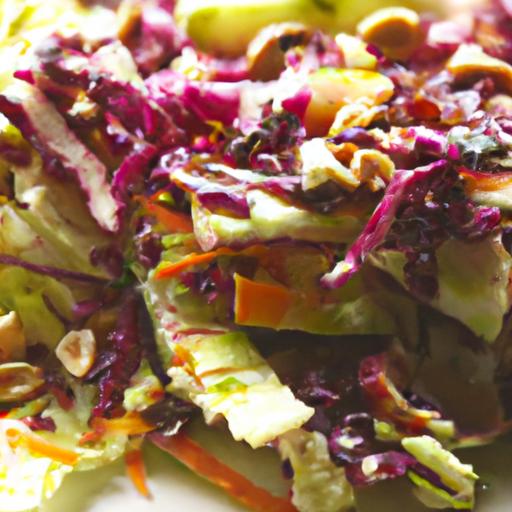
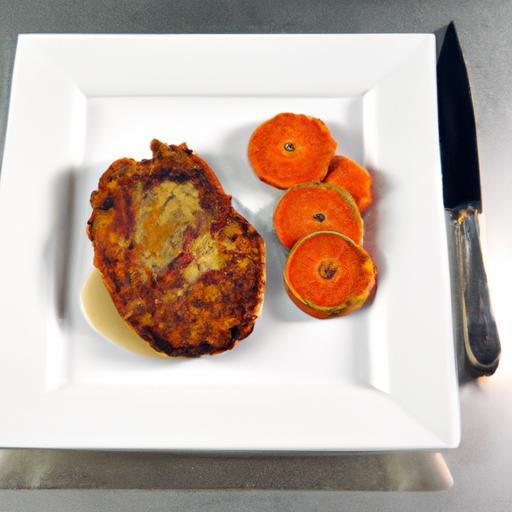
This luscious gluten-free roux-based sauce pairs beautifully with roasted vegetables, grilled chicken, or over gluten-free pasta like brown rice fettuccine. For an elegant touch, garnish with freshly chopped herbs such as thyme or parsley, and a light drizzle of truffle oil can elevate the experience further. Serve alongside a vibrant mixed green salad or steamed asparagus for a balanced plate.
| Nutrient | Amount per Serving |
|---|---|
| Calories | 180 |
| Protein | 3g |
| Carbohydrates | 12g |
| Fat | 13g |

For more expert techniques on gluten-free cooking, check out our extensive guide on gluten-free sauce thickening methods. To deepen your understanding of gluten-free flours, visit the Celiac Disease Foundation’s flour Guide.
Q&A
Q&A: Mastering the Art of Gluten-Free Roux for Perfect Sauces
Q: What exactly is a roux, and why is it so important in cooking?
A: A roux is a classic cooking technique-an equal parts blend of fat and flour cooked together-that forms the base of many luscious sauces, gravies, and soups. It thickens liquids while adding depth and richness,turning simple ingredients into velvety perfection. Think of it as the secret handshake between your sauce and impeccable texture.
Q: Can you make a traditional roux without gluten?
A: Absolutely! traditional roux uses wheat flour, which contains gluten, but there are fantastic alternatives. Gluten-free flours like rice flour, cornstarch, tapioca starch, or even almond flour can step in gracefully. The trick lies in mastering how these flours behave under heat to replicate that silky, thickening magic.
Q: What gluten-free flour works best for a roux?
A: Rice flour is often the go-to because it offers a neutral taste and thickens well without clumping. Tapioca starch brings a glossy finish and elasticity, while cornstarch thickens quickly but can be a bit trickier to cook without lumps. Experimenting with blends can yield a roux that suits your personal palate and recipe needs.
Q: How do you avoid lumps when making a gluten-free roux?
A: The secret is patience and technique. Start by gently melting your fat-like butter, oil, or even bacon grease-over medium heat. Gradually sprinkle in your gluten-free flour, whisking constantly to marry the fat and flour into a smooth paste. Slow and steady stirring keeps those pesky lumps at bay, creating a silky canvas for your sauce.
Q: Does a gluten-free roux taste different from a traditional one?
A: Slightly, yes-but often for the better! While wheat flour has a subtle, toasty flavor when browned, gluten-free flours can bring unique notes. For example, almond flour adds a hint of nuttiness, and rice flour remains more neutral. Properly cooking your roux also develops a rich, toasted aroma that enhances flavor complexity irrespective of the flour used.
Q: How long should you cook a gluten-free roux?
A: Cooking time depends on the color and flavor profile you desire. Light roux (cooked just long enough to remove the raw flour taste) takes about 2-3 minutes. For a golden hue and nuttier flavor, cook 4-5 minutes, stirring constantly. darker roux have deeper flavors but thicken less, so balance your cooking time with your sauce’s needs.
Q: Can you use oils other than butter for a gluten-free roux?
A: Yes! Butter is beloved for its flavor, but oils like olive, coconut, or avocado oil work beautifully-especially if you want dairy-free options. Just note that each fat imparts its own flavor and smoke point, which influences the roux’s taste and cooking temperature.
Q: Are gluten-free roux sauces suitable for all recipes?
A: Most definitely. From creamy béchamels to hearty gumbo bases, gluten-free roux shines across cuisines. Just remember to adjust your liquid ratios slightly depending on the thickening power of your chosen flour, and embrace a little experimentation to find your perfect balance.
Q: Any final tips for mastering gluten-free roux?
A: Embrace patience and playfulness! Keep your heat moderate to avoid burning, whisk constantly, and don’t fear trying different flour blends. Taste as you go and trust your senses-the perfect gluten-free roux is a delicious adventure waiting to happen. With practice, your sauces will dazzle both gluten-free and traditional palates alike.
In retrospect
Mastering the art of a gluten-free roux opens up a whole new world of culinary possibilities, proving that dietary restrictions need not limit your creativity or flavor. By understanding the unique properties of alternative flours and the careful balance of heat and timing,you can craft sauces that are just as velvety,rich,and satisfying as their traditional counterparts. Whether you’re thickening a creamy béchamel or adding depth to a hearty gravy, this foundational technique empowers you to elevate every dish with confidence. So roll up your sleeves, embrace the process, and watch as your gluten-free roux transforms simple ingredients into spectacular, saucy masterpieces-one luscious spoonful at a time.