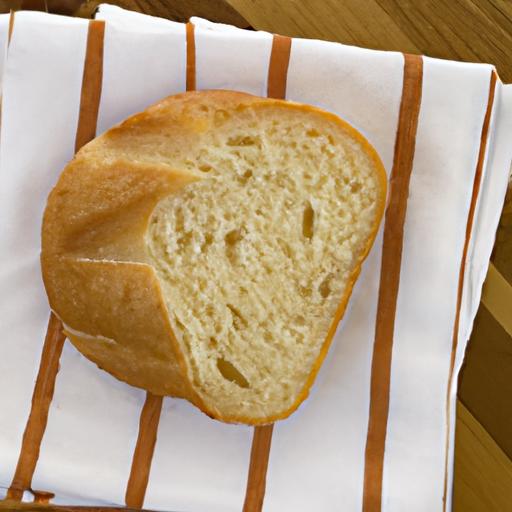

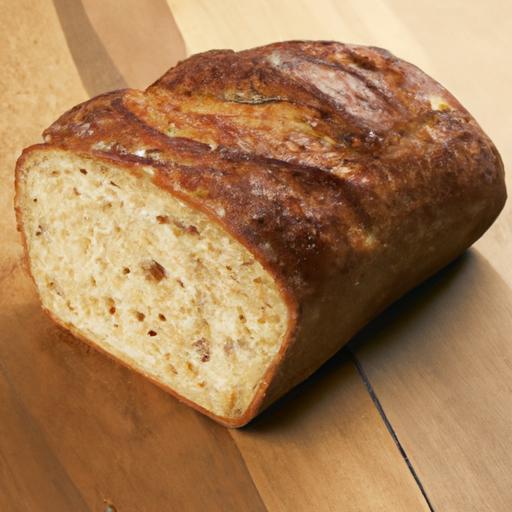
In a world where every meal is an opportunity to nurture our well-being, the humble slice of bread often goes unnoticed-yet it holds remarkable power over our heart health. Choosing the right loaf isn’t just about taste or texture; it’s about making mindful decisions that support a vibrant, healthy life. “Baking Better choices: Picking the Perfect heart-Healthy Bread” invites you to embark on a flavorful journey beyond the bakery shelf, uncovering the secrets behind breads that not only delight your palate but also strengthen your heart. Whether you’re a seasoned bread lover or a curious newcomer, this guide will empower you to make smarter, heart-pleasant selections-one slice at a time.
Baking Better Choices begins with understanding how to discern truly heart-healthy breads amidst the vast bakery aisles filled with tempting options. From vibrant whole grains that boast rich fiber to ancient seeds that pack a powerhouse of nutrients, unlocking the secrets of nutritional labels and ingredient lists is your first step toward optimal heart benefits. This knowledge will transform bread from a simple staple into a conscientious choice that nurtures your cardiovascular well-being with each bite.
Prep and Cook Time
Readiness: 15 minutes | Cooking/Baking: 30 minutes | Total Time: 45 minutes
Yield
One loaf (approximately 12 slices)
Difficulty Level
Medium – Perfect for home bakers ready to explore wholesome ingredients and elevate their bread skills.
Ingredients
- 2 cups whole wheat flour (freshly sifted for a light crumb)
- 1 cup white whole wheat flour
- ½ cup rolled oats, plus extra for topping
- ¼ cup flax seeds (rich in omega-3s to support heart health)
- 2 tablespoons chia seeds
- 1 tablespoon active dry yeast
- 1 ¼ cups warm water (about 110°F for optimal yeast activation)
- 2 tablespoons extra virgin olive oil (healthy monounsaturated fats)
- 1 tablespoon honey or pure maple syrup (natural sweetener to feed yeast)
- 1 teaspoon sea salt
Instructions
- Activate the yeast: In a small bowl, combine warm water, honey, and yeast. Stir gently and let it rest for 5-7 minutes until foamy, signaling active yeast.
- Mix dry ingredients: in a large bowl, whisk together whole wheat flour, white whole wheat flour, oats, flax, chia seeds, and sea salt for an even distribution of wholesome grains and seeds.
- Combine wet and dry ingredients: Pour the yeast mixture and olive oil into the flour blend. Stir with a wooden spoon until a sticky dough forms.
- Knead the dough: Transfer onto a lightly floured surface and knead for about 10 minutes, until the dough becomes smooth, elastic, and slightly tacky. Tip: If dough is too sticky, sprinkle a teaspoon of flour at a time.
- First rise: place the dough in an oiled bowl, cover with a clean towel, and let it rise in a warm spot until doubled in size, roughly 1 to 1.5 hours.
- Shape and second rise: Punch down the dough and shape it into a loaf. Transfer it to a greased loaf pan, cover again, and allow it to rise for another 30 minutes until puffy.
- Preheat and prep: Preheat your oven to 375°F (190°C). Lightly brush the top of the loaf with water and sprinkle extra oats for a visually appealing, rustic crust.
- Bake: Place the loaf in the oven and bake for 28-30 minutes until golden brown. The bread should sound hollow when tapped on the bottom.
- Cool entirely: Remove from oven and let the bread cool on a wire rack to retain freshness and structure before slicing.
Chef’s Notes & Tips for Success
- Seed substitutions: Swap flax or chia with pumpkin or sesame seeds for variety in texture and nutrient profiles.
- Gluten alternatives: For gluten sensitivity, substitute 50% of whole wheat with spelt or rye flour to maintain heart-healthy grains.
- make-ahead: Dough freezes well post-first-rise. Thaw overnight in the fridge, then shape and proceed with the second rise before baking.
- Monitor hydration: Whole grains absorb more water; if your dough feels dry or cracks during shaping, add a tablespoon of water gradually.
- Storage: Keep bread in a breathable cotton bag or paper to preserve crust crispness. Refrigeration can toughen the crumb-freeze extra loaves rather.
Serving Suggestions
Present your homemade heart-healthy bread sliced thick with an indulgent spread of smashed avocado, a sprinkle of lemon juice, crushed red pepper, and a pinch of sea salt. For a simple snack, toast slices to golden perfection and top with natural almond butter and fresh blueberries, harnessing the power of antioxidants paired with wholesome grains. Garnish with fresh herbs like thyme or rosemary for an aromatic touch that entices the senses alongside visual beauty.

| Nutrient | per slice (Approx.) |
|---|---|
| Calories | 120 kcal |
| Protein | 5 g |
| Carbohydrates | 22 g |
| Fat | 3.5 g |
| Fiber | 4 g |
| Omega-3 | 200 mg |
be sure to explore our whole grain breakfast ideas for delicious ways to enjoy your loaf. For an authoritative guide on heart-healthy diets, visit the American Heart Association’s Whole Grains 101.
Q&A
Q&A: Baking Better Choices – Picking the Perfect Heart-Healthy Bread
Q1: Why should I consider heart health when choosing bread?
A: Bread is a staple in many diets, but not all loaves are created equal. Some breads can be loaded with refined flour, added sugars, and unhealthy fats, all of which can sneakily raise your cholesterol and effect your heart health. Choosing heart-friendly bread means selecting options that nourish your body, support healthy arteries, and keep your ticker ticking happily.
Q2: What ingredients make a bread heart-healthy?
A: Look for whole grains as the star ingredient-think whole wheat, oats, barley, or rye. These grains are packed with fiber, which helps lower LDL cholesterol (the “bad” cholesterol) and aids digestion. Also check for added seeds like flax, chia, or sunflower seeds, which provide healthy omega-3 fats and antioxidants. Minimal added sugars and no hydrogenated oils or trans fats are a must.
Q3: Is whole-grain bread always the best choice?
A: Usually yes, but with a little digging. Not all “whole grain” labels guarantee 100% whole grains. Some breads mix refined flour with a small amount of whole grain and still claim the label. To play detective, read the ingredient list carefully-whole grain should be the first ingredient. Bonus points if it lists specific grains rather than generic “wheat flour.”
Q4: How does fiber in bread contribute to heart health?
A: Fiber is the silent hero in heart-healthy breads. Soluble fiber binds with cholesterol in your digestive system and helps remove it from your body, reducing plaque buildup in arteries. It also stabilizes blood sugar levels and promotes feelings of fullness, helping manage weight-another heart health win.
Q5: What about sodium content-does it matter in bread?
A: Absolutely! Excess sodium can elevate blood pressure, putting strain on the heart. While breads naturally contain some salt for flavor and preservation, it’s smart to check labels and aim for lower sodium options-ideally under 150 mg per slice.
Q6: Can I bake my own heart-healthy bread at home?
A: Yes! Baking at home lets you control every ingredient. Opt for whole grain flours, nutty seeds, and natural sweeteners like mashed bananas or a touch of honey. Experiment with recipes that incorporate heart-friendly add-ins like ground flaxseed or wheat bran. Plus, homemade bread often has less salt and no preservatives.
Q7: How do I balance taste and health in my bread choices?
A: Taste shouldn’t be sacrificed for health. many whole grain breads have a rich, nutty flavor and satisfyingly hearty texture. Look for breads with natural ingredients and experiment with toast toppings like avocado, nut butters, or a smear of hummus to boost flavor and heart benefits. Over time, your palate will adapt and crave these nourishing choices.
Q8: Are gluten-free breads heart-healthy?
A: Gluten-free doesn’t automatically mean heart-healthy. Some gluten-free breads rely heavily on refined starches and lack fiber, making them less beneficial for your heart. If you need gluten-free options, choose those made with whole grains like quinoa or buckwheat, and check for added seeds and fiber.
Q9: How often should I include heart-healthy bread in my diet?
A: Incorporating heart-healthy bread daily can be a smart part of a balanced diet, especially when paired with other heart-loving foods like fruits, vegetables, lean proteins, and healthy fats. Moderation is key-enjoy your bread mindfully and listen to your body’s needs.
Q10: Any final tips for choosing the perfect heart-healthy bread?
A: Be label-savvy, choose whole grains first, seek out fiber and seeds, watch sodium and sugar, and when possible, bake from scratch. Remember, the perfect heart-healthy bread is one that fuels your body, delights your taste buds, and makes your heart sing!
Concluding Remarks
As you step away from the flour-dusted counters and the warm aroma of freshly baked bread, remember that choosing the perfect heart-healthy loaf is more than just a pantry decision-it’s a meaningful step towards nurturing your well-being. By embracing whole grains, mindful ingredients, and thoughtful preparation, you not only elevate your baking but also craft a daily ritual that supports a healthier heart. So next time you reach for a slice, savor the knowledge that each bite is a delicious choice toward a stronger, happier you. Happy baking-and hear’s to breads that nourish both body and soul!