
In the world of cooking, leftover vegetables often find themselves relegated to the back of the fridge, forgotten until it’s too late. But what if those humble scraps-wilted carrot tops, slightly bruised bell peppers, or limp celery stalks-could be transformed into something vibrant, flavorful, and utterly irresistible? Welcome to the art of reviving leftover veggies through delicious dips, where simplicity meets creativity and waste turns into culinary treasure.
This article will guide you through easy, inventive recipes that breathe new life into your kitchen scraps, proving that every veggie has the potential to be a star ingredient in your next snack or appetizer. Get ready to dip, scoop, and savor your way to a more sustainable and delicious way of eating!
Transforming Veggie Scraps into Flavorful Base Ingredients
Revive leftover veggies by turning common kitchen scraps into rich, nutrient-packed dips that bring vibrant flavors and reduce waste. this approach not only helps you stretch your food budget but also unlocks hidden depth in the most overlooked parts of vegetables-stems, peels, and leaves-that usually get tossed aside. Imagine caramelized onion skins transforming into a sweet umami base, or carrot tops becoming a bright, herby creaminess that excites every palate.
Prep and Cook Time
- Readiness: 15 minutes
- Cooking: 25 minutes
- Total Time: 40 minutes
Yield
- Approximately 1¼ cups of dip (serves 4-6)
Difficulty Level
- Easy – beginner-amiable with simple steps
Ingredients
- 1 cup vegetable scraps (onion skins, carrot ends, celery leaves, broccoli stems, or beet greens), washed and roughly chopped
- 1 tbsp olive oil
- 2 cloves garlic, minced
- ½ cup plain Greek yogurt or plant-based yogurt for creaminess
- 2 tbsp tahini (optional, for richness)
- 1 tbsp freshly squeezed lemon juice
- ½ tsp smoked paprika
- ¼ tsp ground cumin
- Salt and freshly ground black pepper, to taste
- 1 tbsp fresh parsley or cilantro, finely chopped
Instructions
- Heat olive oil in a medium skillet over medium heat. Add the minced garlic and sauté until fragrant, about 1 minute, avoiding browning to preserve fresh flavor.
- Add the vegetable scraps and sauté until softened and lightly caramelized, about 8-10 minutes. Stir occasionally to ensure even cooking and prevent sticking.
- transfer the sautéed scraps to a food processor. Add Greek yogurt, tahini, lemon juice, smoked paprika, cumin, and a pinch of salt and pepper.
- Blend until smooth and creamy, stopping to scrape down the sides as needed. Adjust seasoning with more salt, lemon juice, or spices to taste.
- Transfer the dip to a serving bowl and stir in fresh parsley or cilantro for a fresh burst of color and flavor.
- Optional: Refrigerate for 30 minutes to help flavors meld or serve immediately with your favorite crunchy veggies or artisan crackers.
Chef’s Notes: Tips for Success
- Veggie scraps can vary depending on your kitchen habits-feel free to experiment with different combos, like kale stems, bell pepper cores, or even mushroom stems.
- If you prefer a smoother dip, add a splash of water or olive oil while blending to reach your desired consistency.
- For a vegan version, substitute Greek yogurt with coconut yogurt or silken tofu.
- Roasting scraps before blending adds smoky sweetness, especially with onion and carrot peels.
- Make ahead and store in an airtight container for up to 3 days; stir well before serving.
Serving Suggestions
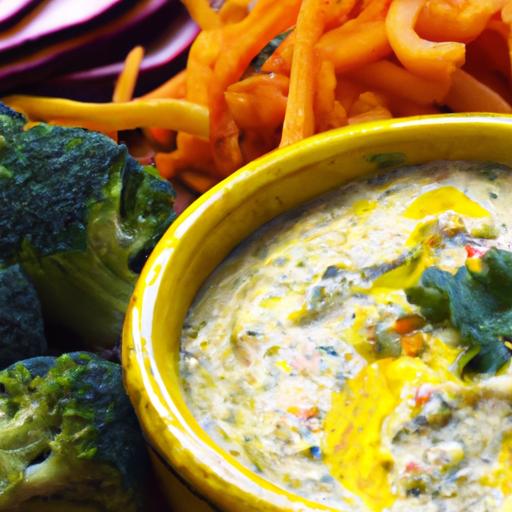
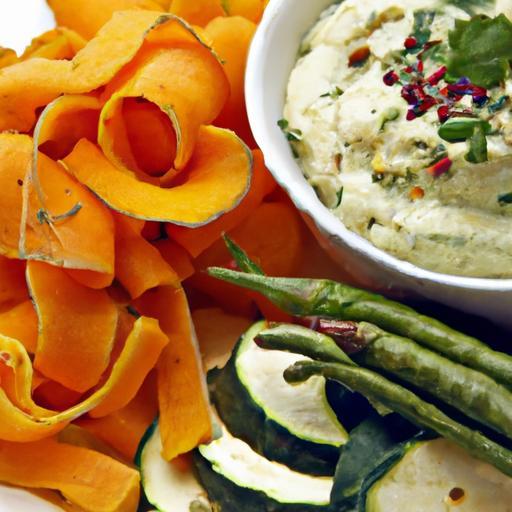
Serve this vibrant dip as a centerpiece on a colorful vegetable crudité platter-think crisp cucumber rounds, sweet red pepper strips, and crunchy jicama sticks. It’s equally divine dolloped atop toasted sourdough with a scatter of chili flakes, or nestled alongside grilled meats and roasted potatoes, turning your meal into a gourmet experience. Garnish with a drizzle of extra virgin olive oil, toasted sesame seeds, or a sprig of fresh herbs to elevate each bite visually and flavor-wise.
| Nutrient | Per Serving |
|---|---|
| Calories | 80 kcal |
| Protein | 3 g |
| Carbohydrates | 7 g |
| Fat | 4 g |
Explore more creative veggie dips for sustainable cooking ideas. For in-depth nutrition advice on vegetable peel benefits, visit Healthline.

Q&A
Q&A: Revive Leftover Veggies - Delicious Dips from Simple Scraps
Q1: Why should I bother making dips from leftover veggies instead of throwing them away?
A1: Think of leftover veggies as culinary treasure chests brimming with flavor potential! Instead of tossing those wilted carrots or forgotten cucumber ends, you can transform them into vibrant dips that add zest and nutrition to your snacks and meals. It’s eco-friendly, budget-wise, and serenely satisfying to reduce waste while creating something delicious.
Q2: What kinds of veggie scraps are best suited for making dips?
A2: Almost any veggie peelings, stems, and slightly limp bits can be repurposed. Carrot tops and peels, cucumber skins, celery leaves, broccoli stalks, and even onion ends can be blended into creamy, herbaceous dips. The key is to avoid anything too spoiled or moldy and to wash scraps thoroughly before use.
Q3: How do I ensure the dip has a great flavor if I’m using scraps?
A3: Layer flavors like a pro! Combine your veggie scraps with complementary ingredients such as garlic, lemon juice, fresh herbs (parsley, basil, cilantro), nuts or seeds for creaminess, olive oil, and a pinch of salt and pepper. Roasting tougher scraps before blending can also deepen the flavor, adding a smoky sweetness that elevates your dip.
Q4: What’s a simple starter recipe for a dip using leftover veggies?
A4: try this swift “Green Goodness Dip”: blend broccoli stalks, celery leaves, garlic, lemon juice, a handful of walnuts, a drizzle of olive oil, and salt until smooth. Serve chilled with crackers or fresh veggies. it’s a vibrant, nutrient-packed dip that’s easy to customize!
Q5: can I store these dips, and how long will they last?
A5: Absolutely! Store your homemade veggie scrap dips in an airtight container in the fridge for up to 4-5 days. The flavors frequently enough meld and improve after a few hours. If you wont to keep them longer, freezing is an option-just thaw thoroughly and stir before serving.
Q6: Any tips for making leftover veggie dips kid-friendly?
A6: Keep it colorful and mild! Using naturally sweet scraps like carrot peels or roasted bell pepper skin can entice little taste buds. Pair dips with fun dippers like pita triangles or colorful veggie sticks. You can also add a touch of yogurt or cream cheese to mellow intense flavors and create a creamy texture kids love.
Q7: What’s the environmental impact of repurposing veggie scraps into dips?
A7: by turning veggie scraps into dips, you reduce food waste, lowering greenhouse gas emissions from decomposing food in landfills. It also means fewer resources spent growing, transporting, and purchasing extra food. This small act is a delicious way to tread lighter on the planet!
Q8: Can these dips be used beyond snacks?
A8: Definitely! These dips make excellent sandwich spreads, salad dressings (thinned with a bit of water or vinegar), or dollops on grilled meats and roasted veggies. The possibilities are endless-your leftover veggie dips are the culinary Swiss Army knife you didn’t know you needed.
Embrace the art of revival in your kitchen, and watch how humble veggie scraps become star dips that delight your palate and support the planet!
Final Thoughts
Breathing new life into leftover veggies isn’t just a savvy way to reduce waste-it’s an invitation to explore a world of flavors hidden in your kitchen scraps. From the humble stems to the frequently enough-overlooked peels, these simple ingredients transform effortlessly into vibrant, delicious dips that can elevate any snack or meal. So next time those forgotten veggies start to wilt, remember: with a little creativity and a few pantry staples, you can turn them into irresistible spreads that delight the palate and honor the planet. Revive, relish, and reinvent-because great taste often begins where others see scraps.