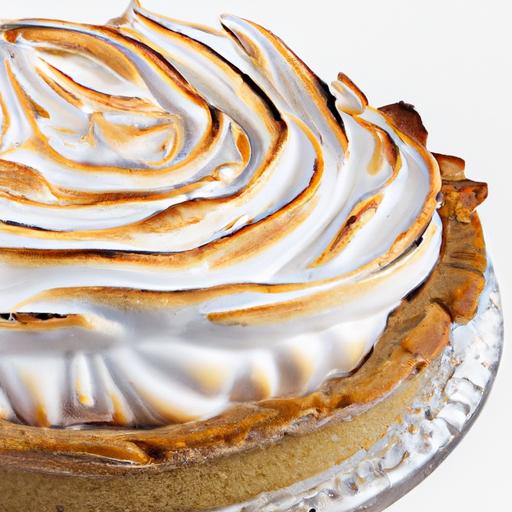

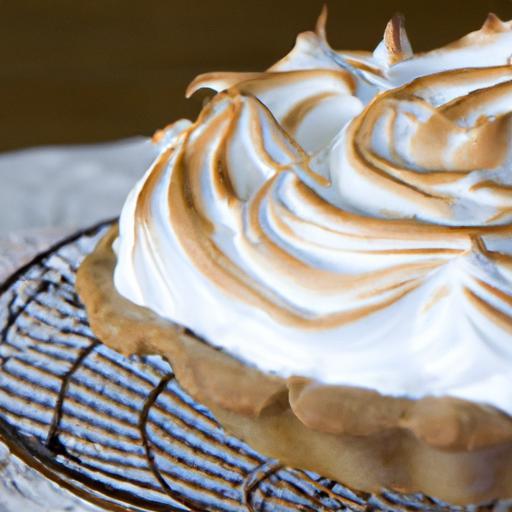
There’s a certain magic in the marriage of tart, velvety lemon custard and billowy, toasted meringue that makes lemon meringue pie a timeless dessert classic. But beyond it’s tantalizing tang and cloud-like top lies a fascinating interplay of science and artistry-a delicate balance of chemistry and craftsmanship that transforms simple ingredients into a zesty delight.
In this article, we’ll peel back the layers of lemon meringue pie to explore the scientific principles that give it structure and flavor, alongside the culinary techniques that turn a humble pastry into a show-stopping centerpiece. Whether you’re a seasoned baker or a curious food lover, prepare to discover how precision and creativity combine to create that perfect slice of sunlit sweetness.
Zesty Delight: The Science and Art of Lemon Meringue Pie is a timeless celebration of tart acidity and sugary sweetness, harmoniously blended to create a dessert that dances on the palate. This recipe not only honors the classic tradition but delves into the fascinating chemistry that elevates every bite,from the crisp,buttery lemon crust to the cloud-like meringue topping. Whether you’re a seasoned baker or a passionate home cook, mastering this pie means unlocking the secrets of texture, balance, and flavor that will captivate every dessert lover.
Prep and Cook Time
- Readiness: 25 minutes
- Chilling: 30 minutes (for crust)
- Baking: 40 minutes
- Total Time: 1 hour 35 minutes
Yield
Serves 8 generous slices – perfect for sharing or savoring over a couple of days.
Difficulty Level
Medium: Requires careful attention to meringue peaks and crust texture, but rewarding for all skill levels.
Ingredients
- For the Lemon Crust:
- 1 ½ cups all-purpose flour, sifted
- ½ cup unsalted butter, cold and cubed
- ¼ cup granulated sugar
- ¼ tsp salt
- 3 tbsp ice water, more if needed
- 1 tsp lemon zest, finely grated
- For the Lemon filling:
- 1 cup fresh lemon juice (about 4-5 lemons)
- 1 tbsp lemon zest, finely grated
- 1 ½ cups granulated sugar
- 4 large egg yolks
- ⅓ cup cornstarch
- 1 ½ cups water
- 3 tbsp unsalted butter, cubed
- For the Meringue:
- 4 large egg whites, at room temperature
- ½ tsp cream of tartar
- ½ cup granulated sugar
- 1 tsp vanilla extract
Instructions
- Prepare the Lemon Crust: in a mixing bowl, combine flour, granulated sugar, lemon zest, and salt. Cut in the cold butter using a pastry cutter or fingers until the mixture resembles coarse crumbs. Gradually add ice water, stirring lightly until the dough just comes together. Avoid overmixing to maintain flakiness. Wrap in plastic film and chill for 30 minutes.
- Blind Bake the Crust: Preheat yoru oven to 375°F (190°C). Roll out the dough on a lightly floured surface to fit a 9-inch tart pan. Press gently and trim excess edges. Line the crust with parchment paper and fill with pie weights or dried beans. Bake for 15 minutes,then remove weights and bake an additional 10 minutes until golden. Let cool entirely.
- Make the Lemon Filling: In a medium saucepan, whisk together egg yolks, granulated sugar, and cornstarch until smooth. Slowly add water and lemon juice while stirring. cook over medium heat, whisking constantly until the mixture thickens and just begins to bubble (about 7-9 minutes).Remove from heat, stir in butter and lemon zest until fully melted and silky. Pour filling into the baked crust.
- Whip the Meringue: In a clean bowl, beat egg whites with cream of tartar on medium speed until soft peaks form. Gradually add granulated sugar, increasing to high speed until stiff, glossy peaks are achieved.Beat in vanilla extract at the end.
- Top and Bake: Spread the meringue over the warm lemon filling, ensuring it touches the edges of the crust to seal.Use the back of a spoon to create lovely peaks and swirls. Bake at 350°F (177°C) for 10-12 minutes,or until the meringue is golden brown.
- Cool and Serve: Allow the pie to cool at room temperature for at least 1 hour before slicing. This resting time ensures the perfect set and avoids weeping of the meringue.
Tips for Success
- Use fresh lemon juice for that authentic luminous tang. Bottled juice lacks the vibrant acidity crucial to this recipe’s balance.
- when whipping meringue, ensure your bowl and beaters are completely grease-free to achieve the best volume.
- For a more fragrant crust, incorporate extra lemon zest directly into the dough, enhancing that layered citrus aroma.
- If you notice any liquid pooling on the meringue surface (weeping), make sure the filling and meringue are adequately cooled before serving.
- Make the crust a day ahead and keep it refrigerated to deepen the flavors and simplify the assembly process.
Serving Suggestions
Present your lemon meringue pie on a white porcelain plate to let its vibrant yellow and toasted peaks shine. Garnish with delicate candied lemon slices or a light sprinkle of finely chopped fresh mint for a refreshing contrast. Serve with a dollop of freshly whipped cream or a scoop of vanilla bean ice cream to complement the zesty tang and sweet cloudiness.

The chemistry behind Tart and sweet Balance
The magic of this lemon meringue pie lies in its precise interplay between acidity and sweetness. The fresh lemon juice delivers tartness that activates our taste buds, while the sugar tempers it without masking the bright essence. The cornstarch in the filling acts as a thickening agent through gelatinization-heating the starch granules causes them to swell and trap liquid, creating that luscious custard-like texture. This balance is essential: too much sugar dulls the lemons’ vibrancy, while too little leaves a harsh bite.
Mastering the Perfect Meringue Texture
Achieving meringue with billowy peaks and a satiny sheen requires understanding the role of egg whites and stabilizers. The cream of tartar acidifies the whites,helping to strengthen the protein network that traps air when whisked. Adding sugar gradually improves stability, resulting in stiff but soft meringue that bakes to a delicate, golden crust. Beating beyond stiff peaks risks drying out the mixture,so watch carefully for that ideal glossy stage.
Crafting a Flaky and Flavorful Lemon crust
Creating the perfect crust is where technique meets chemistry. Cold butter dispersed in the flour creates pockets of fat that, when baked, melt and produce flakiness through steam. The addition of lemon zest in the dough infuses subtle citrus notes even before the filling is added,enhancing the overall flavor harmony. Avoid overworking the dough to prevent gluten formation, which leads to toughness.
Expert Tips for Baking and Presentation Excellence
To ensure your pie bakes evenly, use a pie shield or foil around the edges after the first 20 minutes to prevent burning. When browning the meringue,a broiler or kitchen torch can add rustic caramelized textures,but watch closely to avoid charring. presentation is key: inviting contrasts between glossy meringue, vibrant lemon custard, and golden crust elevate the dessert into a centerpiece that’s as beautiful as it is delicious.
| Nutrient | Per Serving |
|---|---|
| Calories | 320 kcal |
| Protein | 5 g |
| Carbohydrates | 45 g |
| Fat | 12 g |
For more baking tips and citrus dessert recipes, explore our collection of citrus desserts. To deepen your understanding of meringue science, visit CooksInfo – Meringue Chemistry.
Q&A
Q&A: Zesty Delight - The Science and Art of Lemon Meringue Pie
Q1: What makes lemon meringue pie such an enduring favorite among desserts?
A1: Lemon meringue pie perfectly balances tartness with sweetness, combining a crisp crust, tangy lemon curd, and fluffy, golden meringue topping. This harmonious blend of textures and flavors captivates the palate, appealing to our innate love for contrast and balance in food.
Q2: How does the chemistry of lemon curd work in this pie?
A2: Lemon curd is a delicate emulsion formed by the interaction of egg yolks, sugar, lemon juice, and butter. When gently cooked,the proteins in egg yolks coagulate,thickening the mixture into a luscious custard that holds its shape yet remains silky. The acid from lemon juice brightens the flavor and helps stabilize the custard without curdling the eggs.
Q3: Why is meringue such a crucial component?
A3: Meringue not only adds a cloudlike texture but also brings subtle sweetness to counter the sharp citrus. Whipping egg whites incorporates air, creating tiny bubbles that, when baked, become a delicate, crisp shell with a soft interior. This fluffy crown also insulates the lemon curd beneath, preventing it from turning soggy and enhancing visual appeal with golden peaks.
Q4: What’s the secret to a perfectly baked pie crust?
A4: A flawless crust is buttery, flaky, and sturdy enough to hold the luscious filling without becoming soggy. The secret lies in keeping ingredients cold, handling the dough minimally to preserve flakiness, and blind baking the crust before adding the filling. This pre-baking step seals the surface and locks crispness into every bite.
Q5: Can the acidity of lemon juice cause any baking challenges?
A5: Absolutely! The acidity can be a double-edged sword. Too much acid or overheating can cause the egg proteins to curdle and the curd to separate. Precision in temperature and ingredient ratios is essential; slow, gentle cooking ensures a smooth, velvety lemon curd without graininess or curdling.
Q6: What variations of lemon meringue pie exist in the culinary world?
A6: While classic lemon meringue features a shortcrust pastry, vibrant lemon curd, and Swiss or Italian meringue, creative chefs experiment with graham cracker crusts, adding exotic citrus notes like yuzu or lime, or even infusing the meringue with lavender or vanilla. some modern interpretations deconstruct the pie into layered parfaits or tartlets, maintaining the signature flavors with a twist.
Q7: How does the sensory experience of eating lemon meringue pie engage our senses?
A7: From the moment the pie is sliced, the bright aroma of lemon awakens the senses. The crisp crust offers a satisfying crunch, the smooth lemon curd bursts with vibrant tartness, and the airy meringue melts like a sweet cloud on the tongue. The interplay of textures and flavors creates an emotive journey,evoking nostalgia and delight in every bite.
Q8: Any tips for home bakers aiming to master lemon meringue pie?
A8: Patience and precision are key.Use fresh lemons for vibrant flavor, whisk egg whites to stiff peaks but avoid overbeating, and bake the meringue until just golden-too little baking leads to weeping, too much creates a dry crust. let the pie cool gradually to set the curd and prevent cracks in the meringue, ensuring a beautiful finish worthy of the classic name.
Concluding Remarks
As the final bite of lemon meringue pie melts on your tongue, you’re not just savoring a dessert-you’re experiencing a delicate ballet of chemistry and craftsmanship. The bright tang of lemon, the cloud-like sweetness of meringue, and the flaky embrace of crust all come together, each element carefully balanced by science and perfected by artistry. whether you’re a home baker or a curious food lover, understanding the alchemy behind this zesty delight transforms each slice into a celebration of flavor and technique. So next time you indulge, remember: beyond the luscious taste lies a story of precision, passion, and the timeless joy of creating something truly remarkable.