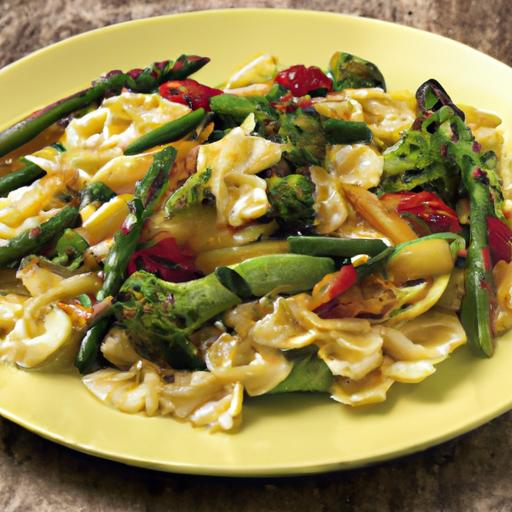

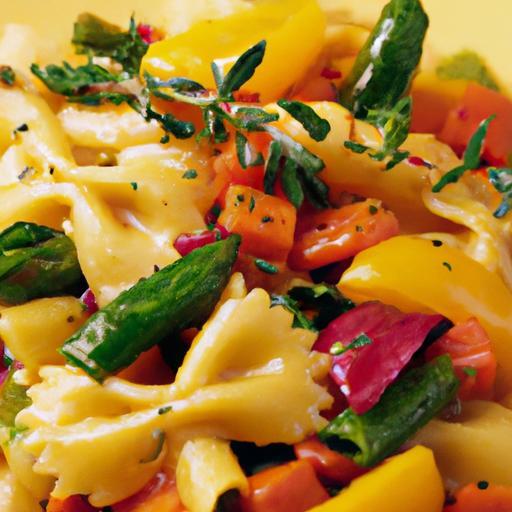
There’s something undeniably satisfying about a meal that combines simplicity, freshness, and vibrant flavors-all in one pot. Enter One-Pot Pasta Primavera: a culinary celebration of garden-fresh vegetables entwined with perfectly cooked pasta, creating a dish that’s as easy on the eyes as it is on the palate. Whether you’re a busy weeknight warrior or a weekend food enthusiast, this recipe invites you to embrace wholesome ingredients with minimal fuss, proving that delicious, colorful meals don’t have to come with a elaborate cleanup. Let’s dive into this bright, flavorful delight that transforms everyday cooking into a breezy, nourishing experience.
Choosing the Perfect Fresh Vegetables for Vibrant Flavor
One-Pot Pasta Primavera is a celebration of fresh, vibrant vegetables that burst with flavor and bring color to your plate. Opt for crisp, in-season vegetables like bright asparagus spears, tender zucchini slices, and sweet cherry tomatoes. Freshness is key-look for firm, blemish-free produce with lively colors. For instance, firm zucchini with smooth skin and unblemished cherry tomatoes add both texture and a natural sweetness that complements the pasta perfectly. Seasonal peas or tender baby spinach also elevate the dish’s freshness, offering a natural pop of green that awakens your senses.
When shopping, smell the vegetables-fresh ones often emit a subtle, inviting aroma. Avoid limp or discolored veggies, as freshness directly impacts this dish’s delightful texture and vibrant flavor. For a truly authentic experience, visit your local farmers market where heirloom varieties and organic options often provide unparalleled taste and quality.
Mastering the art of One-Pot Cooking for Effortless Meals
One-Pot Pasta Primavera shines as the ultimate homage to ease and simplicity. The magic lies in layering ingredients thoughtfully in one vessel, allowing the pasta to soak up the rich vegetable broth and seasonings as it cooks. Begin by sautéing garlic and onions until fragrant; this releases foundational flavors that invite the vegetables to mingle and shine. adding the pasta straight into the pot with just enough liquid to cover it ensures every strand cooks evenly, absorbing the essence of the vegetables and herbs.
As you stir occasionally, you create a creamy, naturally thickened sauce without extra cream or cheese. This method not only saves time and reduces cleanup but keeps the vegetables vibrant and al dente. Trust the timing closely-overcooking can dull the colors and soften the texture. In just 20-25 minutes, your meal transforms into a wholesome, colorful bowl of pasta that is both flavorful and comforting.
Balancing Herbs and Seasonings to Elevate your Primavera
To truly elevate your One-Pot Pasta Primavera, harmonize fresh herbs and seasonings with care. Bright herbs like fresh basil, flat-leaf parsley, and a hint of thyme bring freshness and complexity, while a squeeze of lemon juice adds that perfect zing, balancing rich, starchy pasta with lively acidity. Coarse sea salt and freshly cracked black pepper should be adjusted thoughtfully throughout cooking to enhance the natural sweetness of the vegetables.
Be mindful when adding dried herbs-start sparingly to avoid overpowering the delicate spring vegetables. A subtle pinch of red pepper flakes can introduce a gentle warmth that wakes up the palate without stealing the spotlight. The key here is layering flavors gradually, tasting as you go, and allowing each element to complement rather then compete. This mindful seasoning turns your simple dish into an elegant primavera bursting with nuanced flavor.
Tips for Serving and Storing Your One-Pot Pasta Delight
Serve this dish steaming hot, garnished generously with grated Parmesan or Pecorino cheese and a scatter of freshly chopped basil leaves for visual appeal and an aromatic finish. A drizzle of high-quality extra virgin olive oil just before serving adds silkiness and depth. Pair it with a crisp green salad or crusty artisan bread to round out the meal beautifully.
If you have leftovers, store them in an airtight container in the refrigerator for up to 3 days. Reheat gently on the stovetop or microwave with a splash of water or broth to restore moisture and prevent the pasta from drying out. Avoid overcooking when reheating to preserve that perfect balance of textures. For extended storage, this dish freezes well-freeze portions flat in freezer bags for swift defrosting and enjoy your flavorful primavera anytime.

Prep and Cook Time
- Preparation: 15 minutes
- Cooking: 25 minutes
- Total: 40 minutes
Yield
- Serves 4 hearty portions
Difficulty Level
- Easy - Perfect for weeknight dinners or effortless entertaining
Ingredients
- 12 oz penne or fusilli pasta
- 2 tbsp extra virgin olive oil
- 3 cloves garlic, minced
- 1 small yellow onion, thinly sliced
- 1 cup asparagus tips, chopped into 1-inch pieces
- 1 medium zucchini, thinly sliced
- 1 cup cherry tomatoes, halved
- 1 cup fresh peas or frozen peas, thawed
- 4 cups low-sodium vegetable broth
- 1 tsp dried oregano
- Salt and freshly cracked black pepper to taste
- 1/4 cup fresh basil leaves, torn
- Juice of half a lemon
- Grated Parmesan cheese for garnish
Instructions
- Heat oil in a large deep skillet or Dutch oven over medium heat. Add minced garlic and sliced onion, and sauté until translucent and fragrant, about 3-4 minutes, stirring frequently to prevent burning.
- Add the asparagus, zucchini, and cherry tomatoes. Cook for 5 minutes, tossing gently until the vegetables soften slightly but remain vibrant.
- Pour in the vegetable broth, ensuring it covers the pasta once added. Bring the liquid to a gentle boil.
- Add the pasta and dried oregano. Stir carefully to submerge the pasta. reduce heat to medium-low and simmer uncovered, stirring occasionally to avoid sticking.
- Cook for 12-15 minutes, or until pasta is al dente and most of the liquid has absorbed. Add peas during the last 3 minutes of cooking.
- Season generously with salt, black pepper, and squeeze lemon juice over the dish. Stir in fresh basil leaves and adjust seasoning to taste.
- Remove from heat, cover, and let the pasta rest for 2 minutes to allow flavors to meld.
- Serve immediately, topped with freshly grated Parmesan and a drizzle of olive oil.
Tips for Success
- Use high-quality vegetable broth for a rich flavor base.
- Keep vegetables slightly undercooked before adding pasta to maintain their color and crunch.
- For a creamy texture without dairy, stir in 1-2 tablespoons of reserved pasta cooking water before serving.
- Leftover primavera can be quickly refreshed by adding a splash of broth or olive oil while reheating.
- Try swapping vegetables seasonally-think bright bell peppers in summer or tender baby carrots in spring.
Serving Suggestions
- Plate with a sprinkle of toasted pine nuts or slivered almonds for added crunch.
- Complement with a crisp white wine like Pinot Grigio or Sauvignon Blanc.
- Serve alongside a simple arugula salad dressed with lemon vinaigrette.
| Nutrient | Per Serving |
|---|---|
| calories | 380 |
| Protein | 12g |
| Carbohydrates | 62g |
| Fat | 8g |
Explore more fresh and simple pasta creations in our Simple Pasta Recipes collection. For detailed vegetable seasonality guides, visit the UCHealth Nutrition Services – a trusted resource for wholesome cooking.
Q&A
Q&A: One-Pot Pasta Primavera – Simple, Fresh & Flavorful Delight
Q1: What exactly is one-pot pasta primavera?
A1: One-pot pasta primavera is a vibrant, all-in-one dish that combines fresh spring vegetables and pasta cooked together in a single pot. It’s a quick, wholesome meal that captures the essence of garden-fresh flavors with minimal fuss and maximum taste.
Q2: Why choose a one-pot method for pasta primavera?
A2: The beauty of one-pot cooking lies in its simplicity and time-saving magic. By cooking pasta and veggies together, you reduce cleanup while allowing the pasta to soak up every bit of flavor from the broth, herbs, and olive oil. it’s efficiency meets deliciousness in one harmonious pot.
Q3: What are the best vegetables to include in pasta primavera?
A3: For a colorful primavera, think asparagus, cherry tomatoes, zucchini, bell peppers, peas, and fresh spinach or basil. These fresh veggies not only add a stunning palette but also provide crunch, sweetness, and earthiness that dance together in every bite.
Q4: Can I make this dish vegetarian or vegan?
A4: Absolutely! One-pot pasta primavera shines as a vegetarian dish, and it’s effortless to veganize by simply skipping cheese or substituting with nutritional yeast or vegan parmesan. The vegetables and herbs deliver all the flavor you need without compromise.
Q5: How do I keep the pasta from getting mushy as it cooks with the veggies?
A5: The trick is timing and liquid ratio. Add vegetables in stages based on their cooking time-harder veggies go in first, delicate ones later. Also, use just enough broth or water to cook the pasta until al dente. Stirring occasionally helps prevent sticking and overcooking.
Q6: What kind of pasta works best for primavera?
A6: Medium-shaped pastas like penne, fusilli, farfalle, or rigatoni are ideal as they capture bits of sauce and veggies well. Thin strands like spaghetti can work but require careful stirring to avoid clumping.
Q7: Can this dish be made ahead or frozen?
A7: It’s best enjoyed fresh to preserve that vibrant veggie texture and flavor. You can prep ingredients in advance, but reheating after freezing may soften the veggies too much. If freezing, consider undercooking the pasta slightly before storage.
Q8: Any tips to elevate the flavors?
A8: A splash of lemon juice or zest, a drizzle of high-quality extra virgin olive oil, a handful of fresh herbs like basil or parsley, and a sprinkle of grated parmesan or vegan cheese add bright, savory layers. Toasted pine nuts or chili flakes can add crunch or heat if you like.
Q9: Who is this recipe perfect for?
A9: Busy weeknight cooks, health enthusiasts craving a quick veggie boost, or anyone who loves light, fresh, and fuss-free meals. It’s a crowd-pleaser that doesn’t skimp on flavor or nutrition.
Q10: Where can I find inspiration for variations?
A10: Experiment with seasonal vegetables like peas in spring, cherry tomatoes in summer, or roasted root veggies in fall. Swap herbs to thyme, oregano, or tarragon. Try adding a protein like grilled chicken or chickpeas for a heartier twist. The one-pot pasta primavera is your canvas for creativity!
Concluding Remarks
One-Pot Pasta Primavera isn’t just a meal-it’s a vibrant celebration of simplicity and freshness, all mingling harmoniously in a single pot. With each bite, you’re treated to a medley of crisp vegetables and tender pasta, effortlessly infused with bright, flavorful notes that make cooking feel less like a chore and more like an art form. Whether you’re rushing through a busy weeknight or seeking a light, wholesome dish to brighten your table, this delightful recipe proves that great food doesn’t have to be complicated. So next time hunger strikes, remember: all it takes is one pot, a handful of fresh ingredients, and a sprinkle of love to create a dish that’s as nourishing as it is delicious.