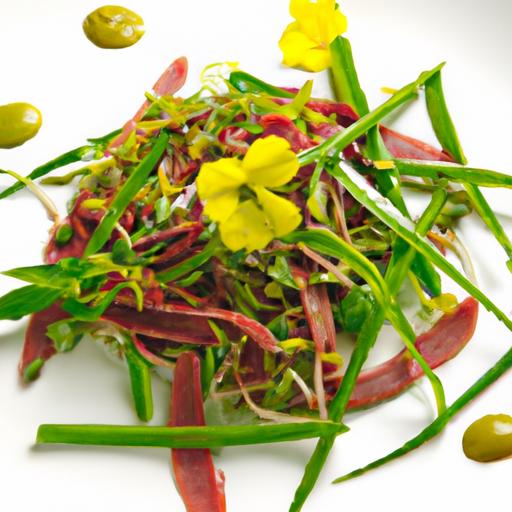

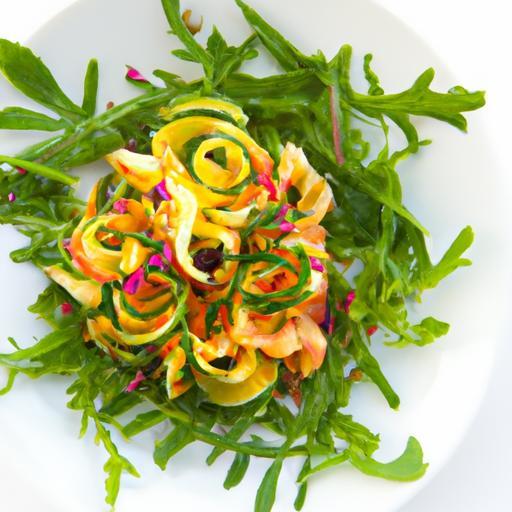
In a world buzzing with dietary fads and conflicting nutrition advice, one timeless truth quietly flourishes beneath the surface: the profound impact of what we eat on the health of our hearts. “Nourish Your Heart: The Power of a Plant-Based Diet” invites you to explore the vibrant, life-affirming world of plants-not just as a trend, but as a transformative path to cardiovascular wellness.
Beyond the colorful plates and fresh flavors lies a wealth of science-backed benefits, revealing how leafy greens, nuts, fruits, and whole grains work in harmony to strengthen your heart, reduce risks, and energize your life. Join us as we unravel the remarkable ways a plant-based diet can nurture your most vital muscle, proving that sometimes, the best medicine grows right in the garden.
Nourish Your Heart: The power of a Plant-Based Diet shines brilliantly in this vibrant Quinoa Power Bowl, a colorful medley of nutrient-rich ingredients crafted to fuel your cardiovascular health and delight your palate. Inspired by the wholesome simplicity of Mediterranean flavors and packed with the heart-boosting benefits of plant-based nutrition, this dish offers not just taste but a tangible way to support your well-being.
Prep and Cook Time
Readiness: 15 minutes | Cooking: 20 minutes | Total: 35 minutes
Yield
Serves 4 hearty portions
Difficulty Level
Easy – Perfect for busy weeknights or Sunday meal prep
Ingredients
- 1 cup organic quinoa, rinsed
- 2 cups low-sodium vegetable broth
- 1 cup cooked chickpeas (or 1 can, drained and rinsed)
- 1 medium avocado, diced
- 1 cup cherry tomatoes, halved
- 1 medium cucumber, diced
- 1/2 cup shredded carrots
- 1/4 cup fresh parsley, finely chopped
- 1/4 cup toasted walnuts, chopped
- 2 tbsp extra virgin olive oil
- 2 tbsp fresh lemon juice
- 1 tsp ground cumin
- Salt and freshly ground black pepper, to taste
- 1 tsp smoked paprika (optional)
- 1 small clove garlic, minced
Instructions
- Cook the quinoa: In a medium saucepan, bring the vegetable broth to a boil. Add the quinoa, reduce heat to low, cover, and simmer for 15 minutes until all liquid is absorbed. Remove from heat and fluff with a fork. Let it cool slightly.
- Prepare the dressing: In a small bowl,whisk together the extra virgin olive oil,fresh lemon juice,ground cumin,minced garlic,smoked paprika (if using),salt,and pepper until emulsified.
- Mix the base: In a large mixing bowl, combine the cooked quinoa, chickpeas, cherry tomatoes, cucumber, shredded carrots, and parsley.
- Dress and toss: Pour the dressing over the quinoa mixture and toss gently until everything is evenly coated. Adjust seasoning if necessary.
- Add avocado and walnuts: Just before serving, fold in the diced avocado and toasted walnuts for creaminess and crunch, preserving their texture and freshness.
- Serve: divide the quinoa power bowl into bowls or plates. Garnish with additional parsley leaves or a lemon wedge for extra zing.
Chef’s Notes
- Variation: Swap walnuts for almonds or pumpkin seeds if preferred, each adding a unique texture and heart-healthy fats.
- Make-Ahead Tip: Prepare quinoa and mix the dressing up to a day ahead. Combine fresh ingredients and avocado just before serving to avoid browning.
- Boost Protein: Add a handful of steamed edamame or hemp seeds for an extra protein punch without compromising heart health.
- Keep it Colorful: Incorporate seasonal veggies like roasted beets or steamed broccoli for vibrant antioxidants and fiber.
- Storage: Store any leftovers in an airtight container in the fridge for up to 2 days; add avocado fresh each time.
Serving Suggestions
Enjoy this bowl as a wholesome lunch or a light dinner served with a side of whole-grain pita bread or a crisp green salad drizzled with balsamic glaze. For an inviting presentation, plate on earthy ceramic bowls and top with a sprinkle of chili flakes or nutritional yeast to add an extra layer of flavor and heart-healthy benefits.

| Nutrient | Per Serving |
|---|---|
| Calories | 420 kcal |
| Protein | 15 g |
| Carbohydrates | 52 g |
| Fat | 14 g (mostly unsaturated) |
| fiber | 10 g |
Embracing Nourish Your Heart: The Power of a Plant-Based Diet with meals like this Quinoa Power bowl not only nurtures your well-being but builds a tasty lifestyle habit that supports cardiovascular health day after day. To discover more heart-healthy recipes and plant-powered inspiration, explore our comprehensive plant-based recipe collection. For detailed scientific insights on diet and heart health, visit the American Heart Association’s nutrition guide.
Q&A
Q&A: nourish Your Heart – The Power of a Plant-Based Diet
Q1: Why is a plant-based diet considered powerful for heart health?
A1: Imagine your heart as a vibrant garden.A plant-based diet waters that garden with nutrient-rich foods packed with fiber, antioxidants, and healthy fats. These elements work harmoniously to reduce inflammation,lower cholesterol,and improve blood pressure-giving your heart the nourishment it craves to thrive.
Q2: What specific plants are superstar heart heroes?
A2: Leafy greens like spinach and kale act as verdant shield-bearers, loaded with magnesium and nitrates that relax blood vessels. Berries bring a burst of antioxidant magic, neutralizing free radicals. Nuts and seeds offer heart-loving omega-3 fats, while whole grains provide sustained energy and fiber to keep arteries clean.
Q3: How quickly can you expect heart benefits after switching to plant-based?
A3: The heart is remarkably responsive. Some improvements in blood pressure and cholesterol can emerge within weeks, while long-term commitment may reduce the risk of heart disease significantly over months and years. It’s like planting seeds today and watching your garden flourish over time.
Q4: Is a plant-based diet restrictive or hard to maintain?
A4: Far from it! Think of it as an invitation to explore a colorful palette of tastes, textures, and aromas. From creamy avocado to crunchy chickpeas, the variety is tremendous. With creative recipes and mindful choices, nourishing your heart becomes an enjoyable adventure, not a limitation.
Q5: Can a plant-based diet replace medication for heart conditions?
A5: while a plant-based lifestyle profoundly supports heart health, it’s not a magic cure-all. Always consult your healthcare provider before making changes to medication.However, many find that embracing plant power allows them to work alongside treatments, potentially reducing reliance on drugs over time.
Q6: How does a plant-based diet impact overall wellness beyond the heart?
A6: The benefits ripple through the body like a gentle tide-boosting energy levels, improving digestion, supporting weight management, and even lifting mood. By feeding your body vibrant plants, you nurture not just your heart, but your entire being.
Q7: What’s the first step to start nourishing your heart with plants?
A7: Begin with curiosity and kindness toward yourself. Try adding a serving of vegetables to every meal or swapping meat once a day for a plant protein like lentils or tofu. Small steps blossom into lasting habits, turning your heart’s garden into a sanctuary of health.
Concluding Remarks
As the sun sets on our exploration of heart health, it’s clear that the path to a stronger, more vibrant heart is rooted deeply in the earth’s bounty. Embracing a plant-based diet isn’t just a culinary choice-it’s a heartfelt invitation to nurture your body with nature’s most powerful gifts.
By filling your plate with colorful fruits, leafy greens, whole grains, and legumes, you’re not only savoring vibrant flavors but also weaving a protective shield around your heart. Let this be more than a fleeting journey; let it be a lifelong rythme where every meal becomes an act of love for yourself and the world you live in. After all, to nourish your heart is to embrace a thriving, flourishing life-one plant-powered bite at a time.