
When it comes to comfort food, few dishes evoke warmth and satisfaction like refried beans. But customary recipes often come loaded wiht sodium, turning a heartwarming side into a health concern. What if you could have the best of both worlds-a bowl of creamy, flavorful refried beans that’s not only delicious but also kind to your heart? Welcome to the ultimate guide on crafting healthy and flavorful low-sodium refried beans.
In this article, we’ll explore simple swaps, vibrant spices, and smart cooking techniques that transform this classic staple into a guilt-free indulgence. Whether you’re managing your salt intake or simply seeking a tastier choice,prepare to reinvent refried beans with a fresh,wholesome twist.
Healthy & Flavorful: Low-Sodium Refried Beans Recipe Guide offers a fresh take on a beloved classic by marrying rich taste and vibrant nutrition without the overpowering sodium. Originating from traditional Mexican kitchens, refried beans have long been a staple comfort food, celebrated for their creamy texture and earthy flavor. This version empowers you to enjoy that same velvety satisfaction using low-sodium ingredients that honor health without sacrificing heartwarming depth. Whether you’re mindful of your salt intake or simply craving a wholesome twist, this recipe will inspire your next kitchen adventure.
Prep and Cook Time
- Planning: 15 minutes
- Cooking: 40 minutes
- Total: 55 minutes
Yield
Serves 4 generously as a side dish
Difficulty Level
Easy to Medium – perfect for home cooks seeking simplicity with a gourmet touch
Ingredients
- 2 cups dried pinto beans, rinsed and picked over
- 4 cups water (for soaking and cooking)
- 1 tablespoon extra virgin olive oil (or avocado oil)
- 1 medium yellow onion, finely diced
- 3 cloves garlic, minced
- 1 teaspoon ground cumin
- 1/2 teaspoon smoked paprika
- 1/4 teaspoon black pepper, freshly ground
- 1 tablespoon fresh lime juice
- Low-sodium vegetable broth, 1 cup
- Fresh cilantro for garnish (optional)
- cooking spray or a few drops of water (for sautéing, if desired)
instructions
- Soak the beans: Place the rinsed dried pinto beans in a large bowl and cover with 4 cups of water. Soak overnight or for at least 8 hours to ensure tenderness and reduce cooking time.
- Cook the beans: Drain the soaking water and transfer the beans to a pot.Add fresh water to cover by 2 inches. Bring to a boil, then reduce heat to simmer and cook untill beans are tender but not mushy, approximately 45-50 minutes. Skim foam as needed.
- Sauté aromatics: In a large skillet, heat the olive oil over medium heat. Add the diced onion and sauté until translucent and soft, about 7 minutes. Stir in minced garlic and cook another 30 seconds until fragrant.
- Prepare beans for mashing: Using a slotted spoon, remove about 3 cups of cooked beans and add them to the skillet with the onion and garlic. Reserve the cooking liquid.
- Mash the beans: Begin mashing the beans with a potato masher or fork,adding reserved low-sodium vegetable broth little by little to reach a creamy yet firm texture. Avoid adding too much liquid at once to prevent runniness.
- Flavor and finish: Stir in cumin,smoked paprika,black pepper,and fresh lime juice. Adjust the seasoning to your preference, keeping in mind this is a low-sodium recipe, and let the mixture simmer gently for 5-7 minutes, stirring occasionally.
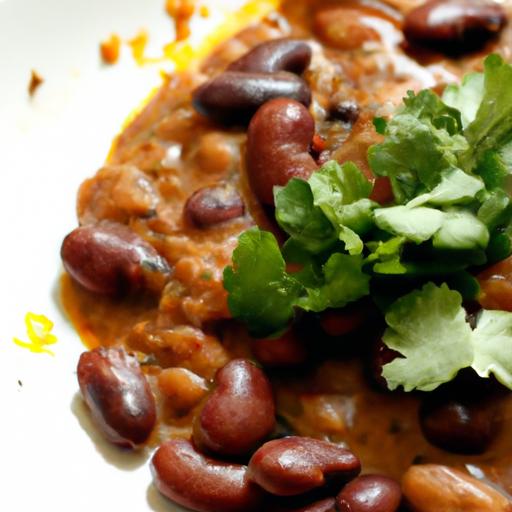
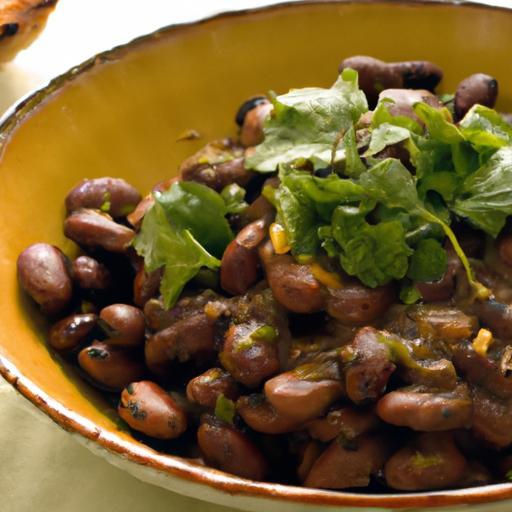
- Serve warm: Transfer to a serving bowl and garnish with freshly chopped cilantro for a pop of color and brightness.
Tips for Success
- Use quality dried beans: They naturally contain less sodium and provide a more authentic flavor compared to canned varieties.
- Don’t rush soaking: Longer soaking softens beans evenly and improves digestibility.
- Control moisture carefully: Gradually add broth or reserved cooking liquid while mashing to get the ideal creamy texture without becoming watery.
- Try a blender for ultra-smooth beans: For a silky-smooth finish, pulse mashed beans briefly in a food processor, but avoid over-blending to preserve some appealing texture.
- Make ahead & freeze: This dish stores wonderfully in airtight containers in the fridge for up to 4 days or freezes for 2 months. Reheat gently on stovetop or microwave with a splash of broth.
Creative Serving Ideas to Elevate your Beans
Retain the authentic roots while making your presentation exceptional:
- Layer into vegetarian burritos: Spread a generous layer of low-sodium refried beans on a warm tortilla before adding fresh salsa, avocado slices, grilled veggies, and shredded cheese.
- Use as a vibrant dip: Serve with homemade baked corn tortilla chips or crunchy vegetable sticks like jicama and bell peppers for guilt-free snacking.
- Top off a nutritious bowl: Create a power bowl with quinoa, roasted sweet potatoes, sautéed greens, and a dollop of these flavorful beans for a filling meal.
- Spread on toast: Swap avocado for a spread of warm refried beans, topped with a sprinkle of chili flakes and fresh microgreens – perfect for brunch.
| Nutrient | Per Serving |
|---|---|
| Calories | 210 kcal |
| Protein | 14 g |
| Carbohydrates | 35 g |
| Fat | 3.5 g |

For an in-depth understanding of legumes and nutrition, visit the USDA MyPlate Protein Foods Guide. Interested in more wholesome Mexican recipes? Check out our Wholesome Mexican Kitchen collection for inspiration.
Q&A
Q&A: Healthy & Flavorful – Low-Sodium Refried Beans Recipe Guide
Q1: Why choose low-sodium refried beans?
A: Refried beans are a beloved staple in many cuisines,but traditional recipes frequently enough come loaded with excess salt,which can contribute to high blood pressure and other health issues. Opting for low-sodium refried beans lets you enjoy that creamy, comforting texture and rich flavor while keeping your heart happy and your meals balanced.
Q2: Can low-sodium refried beans still be tasty?
A: Absolutely! Lowering salt doesn’t mean sacrificing flavor. By using aromatic spices like smoked paprika, cumin, and fresh herbs, plus ingredients like garlic, onions, and a squeeze of lime, you can create a vibrant, mouthwatering bean dish that bursts with zesty goodness-no salt shaker required.
Q3: What ingredients are key to making low-sodium refried beans flavorful?
A: Start with quality dried pinto or black beans, cooked to creamy perfection. Incorporate garlic and onions sautéed in a bit of olive oil for depth. Brighten things up with fresh lime juice and chopped cilantro. Add smoked paprika and ground cumin for warmth and earthiness.These ingredients layer flavor naturally, so you can keep sodium low.
Q4: How do I achieve the classic creamy texture of refried beans without canned convenience?
A: Patience is key! Soak dried beans overnight, then simmer gently until tender. Drain, reserving some cooking liquid.Mash the beans using a potato masher or immersion blender,gradually adding reserved liquid and a splash of olive oil to reach that perfect creamy consistency. This slow approach beats canned beans every time.
Q5: Can I customize the recipe to suit dietary preferences or restrictions?
A: Definitely! Want it vegan? Stick with olive oil or avocado oil instead of lard or butter. Need it gluten-free? Beans naturally fit the bill, just verify your spices aren’t cross-contaminated. Love it spicy? add chopped jalapeños or a dash of cayenne pepper. The beauty of this recipe is its versatility to match your taste buds and lifestyle.
Q6: How can low-sodium refried beans fit into a balanced diet?
A: Beans are nutritional powerhouses, packed with fiber, plant-based protein, vitamins, and minerals. Low-sodium refried beans make for a hearty side, a protein punch in burritos or tostadas, or a creamy base for layered dips-all without tipping the scale on sodium. incorporate them alongside fresh veggies and whole grains for a wholesome, satisfying meal.
Q7: Any pro tips for storing and reheating these beans?
A: Store your homemade refried beans in an airtight container in the fridge for up to five days or freeze in portions for up to three months. When reheating,add a splash of water or broth to loosen the beans and warm gently on the stove to preserve creaminess. This makes meal prepping a breeze without losing flavor or texture.
this Q&A guide empowers you to craft delicious, heart-healthy refried beans that prove lowering sodium doesn’t mean lowering flavor. Ready to dig in? Your taste buds-and your body-will thank you!
in Conclusion
Embracing the vibrant flavors of low-sodium refried beans proves that healthy eating doesn’t have to come at the expense of taste. With simple swaps and mindful ingredients, you can savor a classic dish that nourishes your body and delights your palate.Whether you’re spicing up a weeknight dinner or preparing a fiesta-worthy spread, this recipe guide invites you to enjoy the best of both worlds-vibrant flavor and heart-smart nutrition. So go ahead, mash those beans, sprinkle in the herbs, and relish a dish that’s as wholesome as it is indeed satisfying. Your taste buds-and your heart-will thank you.