
Beneath the golden sun-soaked skies of Spain’s coastal towns lies a culinary treasure that has captured the hearts and palates of food lovers around the world: seafood paella. More than just a dish, paella is a vibrant tapestry woven from the sea’s freshest offerings, fragrant saffron threads, and the warm spirit of Spanish tradition. in this flavorful journey through Spanish shores, we’ll dive into the origins, ingredients, and cultural significance of seafood paella-unraveling the secrets behind its irresistible aroma and the story it tells of a rich coastal heritage. Whether you’re an adventurous foodie or a curious traveler, prepare to savor every bite of this iconic masterpiece.
Seafood Paella: A Flavorful Journey Through Spanish Shores
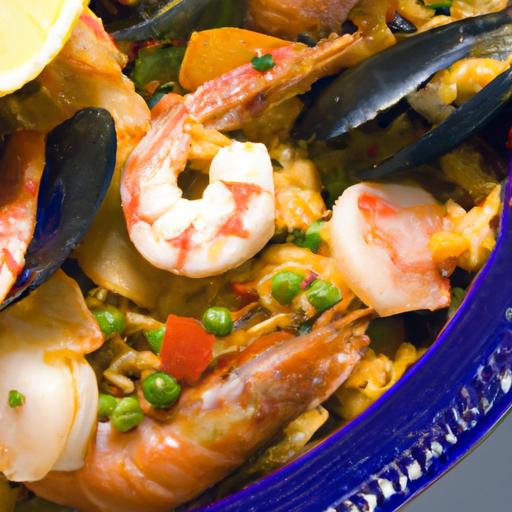
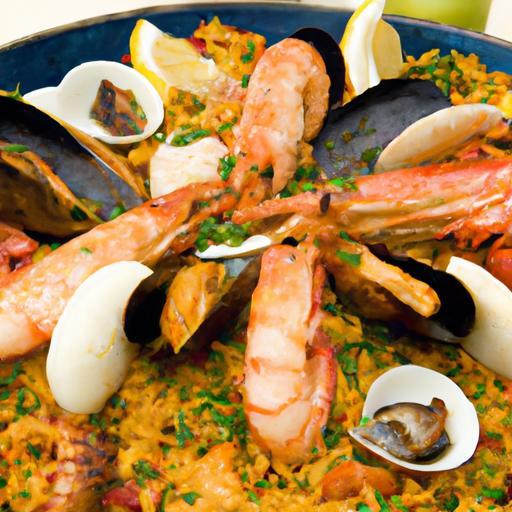
Seafood paella captures the vibrant spirit of Spain’s coastal regions with its brilliant saffron-golden rice, tender shellfish, and fragrant herbs, crafting a timeless feast that invites shared laughter and festive moments. This beloved Spanish classic, rich in tradition and brimming with fresh flavors, traces its roots back to the eastern shores of Spain, where fishermen combined their freshly caught bounty with locally grown rice and spices to create a meal both humble and extravagant.
prep and Cook Time
- Prep Time: 30 minutes
- Cook Time: 45 minutes
- Total Time: 1 hour 15 minutes
Yield
Serves 4 to 6 hungry diners
Difficulty Level
Medium – Perfect for an engaging weekend cooking adventure
Key Ingredients That Define Authentic Spanish Seafood Paella
- 1 ½ cups Bomba or Calasparra rice – authentic short-grain rice that absorbs liquid while staying firm
- 2 tbsp extra virgin olive oil – for sautéing and depth of flavor
- 1 small onion, finely chopped
- 1 red bell pepper, diced
- 4 garlic cloves, minced
- 1 large ripe tomato, grated – for natural sweetness and color
- ¼ tsp saffron threads – soaked in warm fish broth to unlock that signature golden hue and aroma
- 4 cups homemade or quality fish broth – the liquid soul of the dish
- 1 lb mixed seafood (e.g.,mussels, clams, shrimp, squid rings)
- ½ cup dry white wine – adds acidity and complexity
- Fresh flat-leaf parsley, chopped and lemon wedges for garnish
- Sea salt and freshly ground black pepper to taste
Step by Step Guide to Crafting the Perfect Paella at Home
- Prep the saffron: soak the saffron threads in a small bowl with about ¼ cup of warm fish broth while prepping other ingredients. This releases the aroma and infuses the broth with a radiant color.
- Heat the olive oil: In a wide, flat paella pan or a large heavy skillet, warm the olive oil over medium heat. Add the chopped onion and sauté until soft and translucent, about 5 minutes.
- Add garlic and bell pepper: Stir in the garlic and diced red bell pepper. Cook for 2-3 minutes until fragrant and slightly softened.
- Incorporate the tomato: Add the grated tomato and cook it down until the mixture thickens slightly, about 5 minutes. This base infuses the rice with vibrant flavor.
- Add rice and toast: Pour in the rice and stir well to coat each grain with the sofrito (the sautéed base). Toast for 1-2 minutes, allowing the rice to absorb flavors.
- Deglaze with wine & broth: Pour in the white wine; let it bubble and reduce slightly. Then, add the saffron-infused fish broth all at once, stir gently to distribute, and season with salt and pepper.
- Simmer without stirring: Bring to a gentle boil and reduce heat to medium-low. Let simmer uncovered for about 15 minutes. This allows the rice to cook evenly and form the prized crust, or socarrat, on the bottom.
- add seafood: Nestle shrimp, mussels, clams, and squid carefully into the rice. Cover loosely with foil or a lid and cook another 10-12 minutes, until seafood is cooked through and shells open. Discard any unopened shellfish.
- Final touches: Remove from heat and let the paella rest for 5-7 minutes. This resting time helps flavors meld and the socarrat crisp further.
- Garnish & serve: Sprinkle with chopped parsley and lemon wedges for radiant, fresh accents. Serve straight from the pan for an inviting communal dining experience.
Tips for Success When Preparing Seafood Paella
- Rice choice is crucial: Using authentic short-grain rice such as Bomba or Calasparra ensures the perfect chewy texture that soaks up flavor without turning mushy.
- Layer your flavors: carefully developing the sofrito base is the key to depth-don’t rush the sautéing of onions, garlic, peppers, and tomato.
- Avoid stirring after broth is added: Let the rice gently simmer undisturbed so it cooks evenly and forms the coveted crispy socarrat crust beneath.
- Fresh seafood matters: Opt for the freshest shellfish available and keep it chilled. Add seafood near the end to avoid overcooking.
- Make it ahead: You can prepare the sofrito and broth up to a day in advance to streamline cooking on the paella day.
Pairing Seafood Paella with Wines and Sides to elevate Your Meal
Seafood paella’s bright, herbaceous flavors and rich textures deserve a thoughtful wine pairing. A chilled glass of Albariño or Verdejo highlights the ocean freshness with crisp acidity and racy citrus notes. For a red option, a light-bodied Garnacha with soft tannins complements the saffron and smoky undertones without overpowering the seafood.
To accompany the meal, serve a crisp green salad with a lemon vinaigrette or roasted seasonal vegetables like asparagus or artichokes. Rustic crusty bread is perfect for soaking up every last appetizing drop of broth from the pan.
| Nutritional Info (per serving) | Calories | Protein | Carbs | Fat |
|---|---|---|---|---|
| Seafood Paella | 450 kcal | 32 g | 55 g | 8 g |
Explore more Spanish rice dishes to expand your culinary collection.
For an authoritative dive into Spain’s culinary history, visit the Spain.info official gastronomy page.

Q&A
Q&A: seafood Paella - A Flavorful Journey Through Spanish Shores
Q1: what makes seafood paella a quintessential Spanish dish?
A1: Seafood paella embodies the vibrant spirit of Spain’s coastal regions, particularly Valencia and Catalonia. It’s a culinary mosaic where the ocean’s bounty-shrimp, mussels, calamari, and clams-dances gracefully with saffron-infused rice, smoky paprika, and fresh herbs. This dish isn’t just food; it’s a cultural celebration served on a wide, shallow pan that invites sharing and storytelling.
Q2: How did paella evolve from a simple farmer’s meal to a festive feast?
A2: Originating in the rice fields near Valencia, paella was once a humble blend of local ingredients like rabbit, snails, and vegetables, cooked over an open fire for farm workers.As Spain’s trade expanded, coastal influences brought an abundance of seafood to the table, transforming paella into a lavish dish that mirrors Spain’s rich maritime heritage and its region-by-region diversity.
Q3: what are the key ingredients that define an authentic seafood paella?
A3: Authentic seafood paella sings with the freshness of locally sourced shellfish-think plump shrimp, tender squid, briny mussels, and juicy clams-married to bomba or calasparra rice, revered for its absorbent texture. The golden hue and subtle earthiness come from saffron, while garlic, tomatoes, and pimentón add layers of depth. The magic is in the socarrat, the treasured crispy rice crust that forms at the bottom of the pan.
Q4: Is their a traditional way to cook and serve seafood paella?
A4: Absolutely. Traditionally, paella is cooked over an open flame or on a grill using a specially designed paella pan-wide, flat, and shallow to ensure even cooking and the perfect socarrat. It’s a communal ritual: the cook often prepares the sofrito (aromatic base) before layering in rice and seafood, allowing each ingredient to shine. Served straight from the pan, it’s meant to be enjoyed slowly, savored with good company and perhaps a glass of crisp Spanish white wine or sangria.
Q5: How can home cooks bring the essence of Spanish shores into their own kitchens?
A5: To capture the vibrant soul of seafood paella at home, start by sourcing the freshest seafood available and invest in quality saffron-it’s the heart of the dish’s flavor and color. Use a wide, heavy-bottomed pan for even heat distribution. Take your time with the sofrito to build flavor, and resist stirring once the rice and broth are combined to allow the socarrat to develop naturally. serve with a sense of occasion-paella is about community, so gather friends or family and enjoy the shared experience.
Q6: What makes seafood paella an enduring symbol of Spanish culture?
A6: Seafood paella is more than a meal; it’s a vibrant tapestry that weaves together spain’s history, geography, and culinary artistry. Every bite tells a story of seaside villages, sun-drenched afternoons, and lively gatherings. Its enduring popularity celebrates the joy of cooking from the land and sea with respect, creativity, and a deep connection to tradition-making it a delicious ambassador of Spanish culture around the world.
Closing Remarks
as the last grains of saffron-kissed rice settle on your plate and the rich aromas of the sea linger in the air, Seafood Paella reveals itself not just as a dish, but as a vibrant tapestry woven from the coastal heartbeats of Spain. Each bite carries the whispers of bustling fish markets, the warmth of Mediterranean sunrises, and the timeless traditions passed down through generations.
Whether enjoyed in a lively Valencia plaza or recreated in your own kitchen, this iconic paella invites you on a flavorful journey-one that celebrates the bounty of the sea and the spirit of Spanish shores. So, next time you crave a taste of adventure, let Seafood Paella be your passport to savoring the rich, colorful essence of Spain’s coastal heritage.