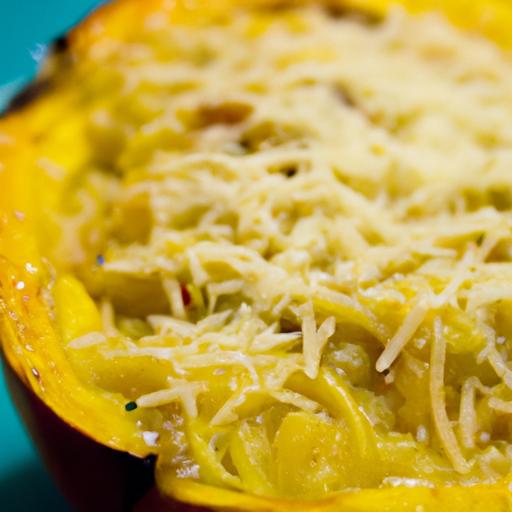

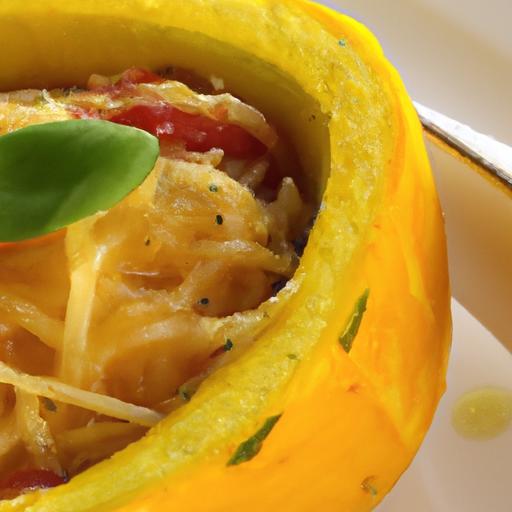
Beneath its tough, autumnal exterior lies a vegetable marvel that’s been quietly winning over kitchens worldwide: the spaghetti squash. With its unique ability to transform into delicate, noodle-like strands, this vibrant gourd offers a deliciously versatile and nutritious option to customary pasta. Whether you’re a seasoned chef or a curious beginner, mastering spaghetti squash unlocks a world of culinary possibilities-from hearty weeknight dinners to elegant, health-conscious meals.
In this ultimate cooking guide, we’ll unravel the secrets of selecting, preparing, and seasoning spaghetti squash to perfection, turning this humble squash into the star of your table. Get ready to dive fork-first into a guide that will redefine your approach to this culinary chameleon.
Mastering spaghetti squash unlocks a world of culinary possibility-its vibrant golden strands provide a nutrient-rich, low-carb alternative to classic pasta that can be adapted to countless dishes. This versatile vegetable, native to Central America, has become a kitchen staple for those seeking wholesome comfort food without sacrifice. Whether you’re craving a rustic Italian-inspired sauce or a zesty Asian noodle bowl, choosing the perfect spaghetti squash and executing precise cooking techniques are key to maximizing flavor and texture.
Prep and Cook Time
- preparation: 10 minutes
- Cooking (Roasting/Steaming): 30-40 minutes
- Total Time: Approximately 45 minutes
Yield
Serves 4 as a main dish or 6 as a side
difficulty Level
Easy to Medium – perfect for both beginners and seasoned cooks aiming for flawless results.
Choosing the Ideal Spaghetti Squash
When selecting your squash, look for one that feels heavy for its size with a firm, unblemished skin that’s pale yellow or golden. Smaller squashes tend to be sweeter and tenderer, making them ideal for lighter dishes, while larger ones yield more strands perfect for hearty, sauce-heavy recipes. Avoid any with soft spots or deep cracks, which can indicate overripeness or spoilage.
Ingredients
- 1 medium spaghetti squash (about 3-4 pounds), ripe and firm
- 2 tablespoons olive oil, extra virgin preferred
- 1 teaspoon sea salt, fine ground
- Freshly ground black pepper, to taste
- Optional herbs: 1 teaspoon dried oregano, 1 teaspoon garlic powder, or fresh basil for garnish
Instructions
- Preheat your oven to 400°F (200°C) if roasting; alternatively, prepare a steaming setup with a steaming basket and a pot of boiling water.
- Prepare the squash: Carefully slice the spaghetti squash in half lengthwise using a sharp, sturdy knife. Scoop out the seeds and stringy pulp with a spoon.
- If roasting: Brush the cut sides generously with olive oil, sprinkle with salt, pepper, and optional herbs. Place the halves cut-side down on a parchment-lined baking sheet.
- Roast: Cook for 35-40 minutes until the flesh is tender and strands easily separate with a fork. Roasting intensifies nutty flavors and creates a slightly caramelized edge.
- If steaming: Place the halves cut-side up in the steaming basket, cover, and steam for 30-35 minutes until tender but not mushy, preserving a radiant, fresh texture.
- Remove from heat, cool slightly, and use a fork to gently scrape out the spaghetti-like strands. Avoid breaking them apart too much for that perfect “noodle” effect.
- Season with an extra drizzle of olive oil, salt, and pepper to taste before serving or using in your favorite recipes.
Expert Tips for Success
- For even cooking: Rotate the baking sheet halfway thru roasting to ensure uniform tenderness.
- Seed removal: Reserve seeds, toss with olive oil and smoked paprika, and roast separately for a crunchy snack.
- Flavor boost: Infuse olive oil with garlic or fresh herbs before brushing onto the squash.
- Make-ahead: Fully cooked strands can be stored in an airtight container in the fridge for up to 5 days or frozen for longer storage, making meal prep a breeze.
Creative Flavor Pairings to Elevate Your Dishes
Spaghetti squash’s mild sweetness and subtle nutty undertones provide a stunning backdrop for robust sauces and fresh ingredients. consider these inspiring pairings:
- Classic Italian: Toss with marinara, garlic sautéed mushrooms, Parmesan, and fresh basil.
- Asian flair: dress with a sesame-ginger soy glaze topped with scallions, shredded carrots, and toasted sesame seeds.
- Mediterranean: Combine with olives, sun-dried tomatoes, feta, pine nuts, and a drizzle of lemon tahini.
- Southwest twist: mix with black beans,diced avocado,cilantro,fresh lime juice,and a sprinkle of smoked chili powder.
storage and Meal Prep Tips
Mastering spaghetti squash also means reducing kitchen waste and saving time. After cooking, allow the strands to cool completely, then:
- Store in airtight containers and refrigerate for up to 5 days. This keeps the texture firm and flavor fresh.
- Freeze in portioned resealable bags to extend shelf life up to 3 months. Thaw overnight in the fridge before reheating gently.
- Use in casseroles, stir-fries, or as a base for meal bowls to cut down on prep time throughout the week.
| Nutrient | Per 1 cup cooked |
|---|---|
| Calories | 42 kcal |
| Protein | 1 g |
| Carbohydrates | 10 g |
| Fat | 0 g |
Ready to transform your meals? Learn even more tips on vegetable preparation and creative recipes in our Healthy Vegetable Recipes collection. For additional nutritional insights, visit ChooseMyPlate.gov.

Q&A
Q&A: Mastering Spaghetti Squash – The Ultimate Cooking Guide
Q1: What exactly is spaghetti squash, and why is it called that?
A1: Spaghetti squash is a vibrant, oblong winter squash known for its unique flesh that, when cooked, separates into long, noodle-like strands-hence the name! Its texture mimics spaghetti, making it a fantastic low-carb, gluten-free alternative to traditional pasta.
Q2: How do I select the perfect spaghetti squash at the market?
A2: Look for a firm squash with a bright, consistent yellow skin and no soft spots or bruises. The heavier it feels for its size, the juicier and more flavorful it typically is. Smaller squash tend to be sweeter and have a more tender texture.
Q3: what’s the best way to cook spaghetti squash?
A3: There are a few tried-and-true methods: roasting, boiling, steaming, and even microwaving. roasting is the favorite for flavor-it caramelizes the edges, adding depth. Simply slice it in half lengthwise, scoop out seeds, drizzle with olive oil, and roast cut-side down at 400°F (200°C) for about 40 minutes until tender.
Q4: How do I turn cooked spaghetti squash into those signature strands?
A4: Once it’s cooled just enough to handle, take a fork and gently scrape the flesh. It will naturally separate into silky, spaghetti-like strands that can be twirled onto your fork or mixed instantly into sauces.
Q5: Can I eat the spaghetti squash seeds?
A5: Absolutely! Like pumpkin seeds, spaghetti squash seeds can be roasted for a crunchy, nutritious snack. Clean, toss with olive oil, salt, and your favorite spices, then roast until golden and crispy.
Q6: What are tasty ways to serve spaghetti squash?
A6: The possibilities are endless! Use it as a pasta substitute with marinara, pesto, or Alfredo sauce. Try it in stir-fries, casseroles, or even as a breakfast hash base. Its mild flavor makes it a versatile canvas for bold spices and fresh herbs.
Q7: How do I store uncooked and cooked spaghetti squash?
A7: Uncooked squash stores beautifully in a cool,dry place for up to a month. Once cooked, keep strands in an airtight container in the fridge for 3-5 days or freeze for up to 3 months, perfect for quick weeknight meals.
Q8: Are there any nutritional benefits to spaghetti squash?
A8: Definitely! It’s low in calories but packed with fiber, vitamins A and C, potassium, and antioxidants. It supports digestion, boosts immunity, and keeps you feeling full without the carb overload.
Q9: Any tips for making spaghetti squash less watery?
A9: To avoid sogginess, don’t overcook the squash. Roasting face-down helps evaporate moisture. Also, lightly salt the strands after scraping to draw out excess water, then pat dry with paper towels before adding sauce.
Q10: How can I jazz up my spaghetti squash dishes?
A10: experiment with toppings like toasted pine nuts, fresh basil, or a sprinkle of Parmesan. Mix in sautéed mushrooms, sun-dried tomatoes, or crispy bacon for extra texture. And don’t shy away from international twists-think curry-spiced strands or a zesty Thai peanut sauce.
Mastering spaghetti squash unlocks a world of flavorful, healthy possibilities. With its delicate strands and natural charm, it’s sure to become your kitchen’s new star ingredient!
The Way Forward
As you embark on your spaghetti squash adventures, remember that this vibrant vegetable is more than just a low-carb alternative-it’s a canvas for culinary creativity and a gateway to nourishing, flavorful meals. With the techniques and tips shared in this guide, you’re now equipped to transform humble squash into dazzling dishes that satisfy both the palate and the soul. So,embrace the golden strands,experiment boldly,and let spaghetti squash become a staple that turns everyday cooking into a delightful exploration. Your journey to mastering this versatile gem has only just begun!