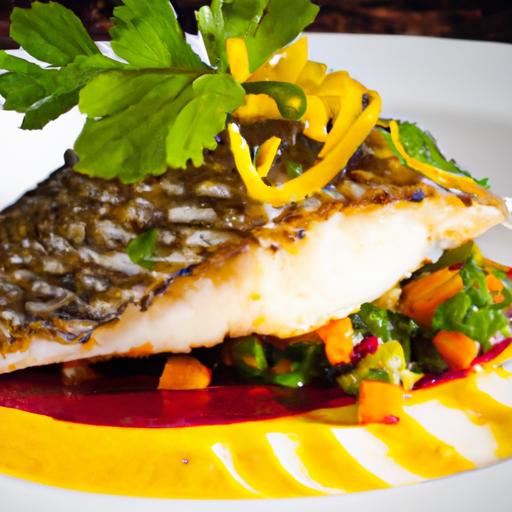

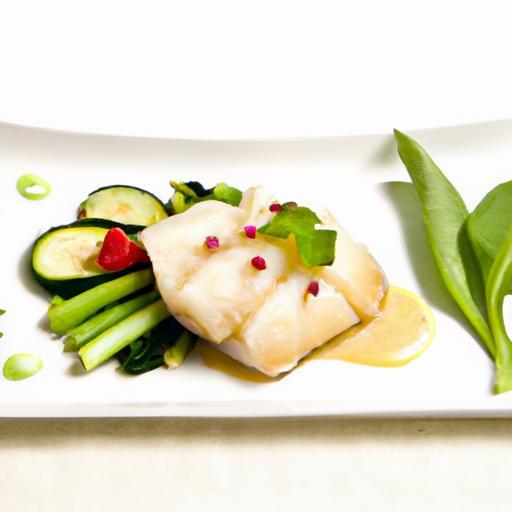
In the world of culinary delights, few techniques celebrate the natural essence of food quite like steaming. When it comes to fish-a delicate canvas of subtle flavors and tender textures-steaming transforms the ordinary into the extraordinary. Unlocking flavor through the art of perfectly steamed fish is a journey that honors both precision and patience, allowing the ocean’s bounty to shine without overshadowing its innate purity. This article delves into the secrets behind mastering this ancient method, revealing how gentle steam can elevate every fillet to a symphony of taste, aroma, and texture that’s as nourishing as it is unforgettable.
Choosing the Ideal Fish for Steaming and How Freshness Transforms Taste
Unlocking Flavor begins with selecting the perfect fish for steaming-a choice that profoundly influences the dish’s final texture and taste. Freshness is paramount; it breathes life into every bite, delivering a flaky yet tender texture that simply melts on your tongue. Fish like sea bass, cod, snapper, and sole shine when steamed due to their mild flavors and firm flesh, ideal for gently absorbing aromatics and seasonings without falling apart.
When fish is truly fresh, it carries a delicate oceanic sweetness and a clean finish, free from any off-putting odors. To assess freshness, look for clear eyes, firm flesh that springs back with gentle pressure, and bright, shiny skin. Avoid fish that appears dull or emits a fishy aroma. Trusted local markets or lasting seafood suppliers often guarantee the highest quality-ensuring your steamed fish will be vibrant and bursting with natural flavor.
Mastering the Steaming Process: Temperature, Timing, and Tools Explained
Steaming is an art form defined by precision. Maintaining gentle, even heat between 185°F and 205°F (85°C to 96°C) allows the fish to cook through delicately, preserving moisture and texture. Over-steaming can lead to dry, tough fish, so timing is crucial. For fillets and smaller fish, aim for 6-10 minutes depending on thickness; whole fish might require 12-15 minutes.
A reliable steamer setup is vital. Traditional bamboo steamers add an aromatic hint and allow steam to escape, but metal steaming racks inside a covered wok or pot work just as flawlessly. Ensure the water is boiling before adding the fish to the steamer, then cover tightly to trap steam while avoiding condensation dripping onto the fish.
Enhancing Flavor with Aromatics and Seasonings to Elevate Your Dish
To truly elevate your steamed fish, infuse it with fresh aromatics and subtle seasonings that awaken the palate while complementing the delicate seafood. Popular choices include ginger slices, scallions, garlic, and cilantro. Add a few thin strips of ginger directly on top of the fish to penetrate the flesh with warmth and a mild spice. Fresh scallions sprinkled over the fish both before and after steaming add bright, oniony notes and visual vibrancy.
For seasoning, a light drizzle of soy sauce or sesame oil after steaming helps amplify umami without overwhelming the fish’s natural sweetness. A few dashes of rice wine or Shaoxing wine in the steaming liquid intensify aroma and depth subtly. Don’t forget a pinch of flaky sea salt and white pepper to season just right.
Plating and Serving Tips to Preserve Moisture and Maximize Presentation
Presentation is the final flourish in this culinary symphony. Use a shallow, warm plate to catch any flavorful juices while showcasing the glistening surface of the fish, steamed to perfection. Gently lift the fish with a wide spatula to avoid breaking apart the tender flesh. Garnish with fresh herbs like cilantro or finely sliced scallions to add color contrast and freshness.
To preserve moisture, serve promptly-steamed fish cools quickly and can lose its tender texture. A small bowl of dipping sauce made from soy sauce, toasted sesame oil, and chopped chili on the side allows guests to tailor each bite’s flavor. Pair with lightly steamed jasmine rice or a crisp Asian-style salad to round out the meal with texture and balance.
Prep and Cook Time
- Preparation: 10 minutes
- Steaming: 8-12 minutes (depending on fish thickness)
- Total Time: 20 minutes
Yield
- Serves 2-3 people
Difficulty Level
- Easy to Medium
Ingredients
- 1 whole sea bass (about 1 to 1.5 pounds), scaled and gutted
- 3 slices fresh ginger, julienned
- 3 stalks scallions, cut into 2-inch pieces (reserve some thin slices for garnish)
- 2 tablespoons soy sauce
- 1 teaspoon sesame oil
- 1 tablespoon Shaoxing wine (optional)
- Salt and white pepper, to taste
- A handful fresh cilantro, for garnish
Instructions
- Prepare the fish: Rinse the sea bass under cold water and pat dry with paper towels. Score the flesh with 2-3 diagonal cuts on each side to allow steam and seasoning to penetrate evenly.
- Season the fish: Season the cavity and exterior lightly with salt and white pepper. Insert 1 slice of ginger and a few scallion pieces inside the cavity for infused flavor.
- Set up the steamer: Fill your steaming pot or wok with about 2 inches of water. Bring to a rapid boil over high heat. If using bamboo, line the steamer basket with parchment paper or napa cabbage leaves to prevent sticking.
- place aromatics: Lay the fish on a heatproof plate that fits in your steamer. Scatter remaining ginger slices and scallion pieces atop the fish evenly.
- Steam the fish: Carefully place the plate in the steamer, cover tightly, and steam for 8-12 minutes depending on size-fish is done when flesh turns opaque and flakes easily with a fork.
- Prepare sauce: While fish steams, combine soy sauce, sesame oil, and Shaoxing wine in a small bowl.
- Finish and garnish: Remove fish from steamer. Drizzle with the sauce mixture immediately. Garnish generously with fresh cilantro and thinly sliced scallions.
- Serve: Serve warm with steamed jasmine rice and optional dipping sauce on the side.
Tips for Success
- Choose fish that is firm and fresh; avoid frozen fish for the best texture and flavor.
- Do not over-steam-start checking at 8 minutes for smaller fillets to prevent dryness.
- For added fragrance, place a few slices of aromatic mushrooms or lemongrass alongside the fish.
- Leftovers keep well but best served cold or gently reheated to preserve texture.
- for a gluten-free version, substitute tamari for soy sauce.
Serving Suggestions
- Accompany with steamed jasmine or basmati rice for a comforting meal.
- Serve with a crisp cucumber salad dressed with rice vinegar to cut through richness.
- Pair with a light white wine, such as Sauvignon Blanc, to complement the subtle flavors.
- Garnish plates with edible flowers or microgreens for a refined presentation.
| Nutritional Info (per serving) | Calories | Protein | Carbs | Fat |
|---|---|---|---|---|
| Steamed Sea Bass with Aromatics | 210 kcal | 30 g | 2 g | 7 g |

Discover more on seafood selection and preparation techniques in our Seafood Selection Guide. For sustainable sourcing tips, visit the Marine Stewardship Council.
Q&A
Q&A: Unlocking Flavor – The Art of Perfectly Steamed Fish
Q1: Why choose steaming as a cooking method for fish?
A1: Steaming is the gentle whisper of the culinary world, coaxing out the fish’s natural flavors without drowning them in fat or overpowering seasonings. It preserves moisture, tenderness, and the delicate essence of the sea, creating a clean, pure taste that frying or baking can sometimes overshadow.
Q2: What type of fish works best for steaming?
A2: Think of fish with tender, flaky flesh that responds beautifully to gentle heat-such as cod, sea bass, tilapia, or trout. These varieties absorb steam like a soft sponge, enhancing natural flavors without becoming mushy. Fatty fish like salmon can also be steamed, but require a bit more precision to avoid drying out.
Q3: How do you prepare the fish before steaming?
A3: Preparation is your artist’s sketch. start with a fresh, well-cleaned fillet or whole fish. Lightly season with salt and perhaps a sprinkle of aromatics-ginger, garlic, fresh herbs, or citrus slices-to infuse the flesh with subtle complexity. Avoid heavy sauces at this stage; steaming thrives on simplicity.
Q4: What tools are essential for perfect steaming?
A4: A bamboo steamer brings tradition and bamboo-scented charm, while a metal steaming rack inside a pot offers sleek versatility. Ensure your lid fits tightly to trap steam effectively. A thermometer can help you monitor water temperature, ensuring gentle, even cooking.
Q5: How do you no when steamed fish is perfectly cooked?
A5: The fish should be opaque and flake gently at the lightest prod from a fork. Under-steamed fish feels translucent and resists flaking, while over-steamed turns dry and rubbery. Timing varies-usually 6-10 minutes depending on thickness-so trust your eyes and touch as much as the clock.
Q6: Can you elevate steamed fish with sauces or garnishes?
A6: Absolutely! Steamed fish is a blank canvas waiting for flavor artistry. Classic Asian touches like soy sauce, sesame oil, and fresh scallions create a vibrant finish. or brighten with fresh herbs, a squeeze of lemon, or a drizzle of infused oils. The key is to complement, never mask, the fish’s natural grace.
Q7: Any pro tips for avoiding common steaming mistakes?
A7: Avoid overcrowding your steamer; steam needs room to circulate freely. Don’t let the water boil dry-keep an eye on water levels and maintain a gentle simmer rather than a roar. cover tightly to trap steam without letting precious moisture escape.
Q8: How does steaming fish unlock flavors differently from other methods?
A8: Like a whispered secret, steaming teases out the fish’s genuine flavor nuances by cooking it gently in a moist surroundings. Unlike the intense heat of frying or roasting, which can caramelize and thus alter flavors dramatically, steaming respects the fish’s character-unlocking a fresh, delicate, and nuanced palate that’s truly exquisite.
Steaming fish is more than a technique-it’s an art of respect and balance, unlocking deep, authentic flavors with subtlety and finesse. Embrace the steam, and let your fish sing.
Insights and Conclusions
As the final wisps of fragrant steam lift from your perfectly cooked fish, you’ve not only mastered a method-you’ve unlocked a timeless culinary secret. Steaming is more than just a technique; it’s an art form that honors the delicate nature of fish, preserving its subtle flavors and tender texture with every gentle whisper of heat. By embracing the harmony of careful preparation, thoughtful seasoning, and precise timing, you transform a simple ingredient into a masterpiece of taste and nutrition. So next time you seek a dish that sings with purity and elegance, remember the quiet power of steaming-where flavor truly unfolds in its most natural, exquisite form.