
Light, airy, and decadently smooth-whipped cream has long been the crown jewel of desserts, elevating everything from pies to hot chocolate with its cloud-like charm. But what happens when dairy is off the table? Enter the vibrant world of vegan whipped cream, a delightful alternative that doesn’t compromise on taste or texture. In this article, we’ll unravel the secrets to mastering fluffy, dairy-free whipped cream right in your own kitchen. Whether your vegan, lactose-intolerant, or simply curious, get ready to discover creamy, dreamy toppings that are as kind to animals as they are to your palate.
Fluffy & Dairy-Free: Mastering Vegan Whipped Cream at Home
Fluffy & dairy-free vegan whipped cream is an enchanting alternative to customary toppings, combining the joy of luscious texture with pure plant-based ingredients. Originating from innovative culinary experiments in vegan kitchens worldwide, this whipped topper has become a beloved staple for those seeking dairy alternatives without sacrificing creaminess and volume. My personal journey began when I craved the airy lift of whipped cream without dairy’s heaviness-after numerous trials, I perfected a method that elevates desserts, drinks, and breakfast treats effortlessly.
Prep and Cook Time
- Planning: 10 minutes
- Chilling: 2 hours (minimum)
- Total Time: 2 hours 10 minutes
Yield
Approximately 2 cups of fluffy vegan whipped cream (serves 6-8)
Difficulty Level
Medium – simple technique, but precise chilling and whipping are key
Ingredients
- 1 can (14 oz) full-fat coconut milk, refrigerated overnight
- 2 tbsp powdered organic cane sugar or coconut sugar
- 1 tsp pure vanilla extract
- 1/4 tsp cream of tartar (for stability)
- Optional: 1 tbsp aquafaba (chickpea brine) whipped separately for added volume
Instructions
- Chill the coconut milk thoroughly-ideally 12-24 hours. This solidifies the cream layer, making it easier to whip.
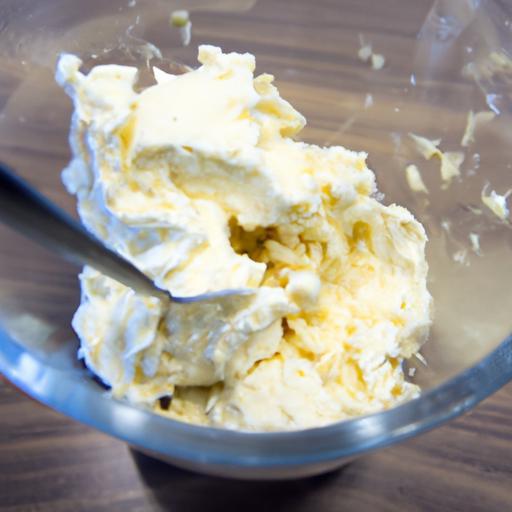
- Carefully open the can without shaking. Spoon out the thick coconut cream into a cold mixing bowl, leaving the liquid behind (reserve for smoothies).
- Add the powdered sugar, vanilla extract, and cream of tartar to the bowl.
- Using a chilled electric mixer or stand mixer, whip the coconut cream on medium-high speed.
- Whip for about 3-5 minutes until soft peaks form, watching carefully-not too long or it might get grainy.
- For extra fluffiness and stability, whip aquafaba separately to stiff peaks and gently fold it into the coconut cream.
- Chill the whipped cream for at least 30 minutes before serving to firm up further.
Tips for Success
- Use only full-fat coconut milk cans without additives like stabilizers or emulsifiers to ensure proper whipping texture.
- Chilling the bowl and beaters enhances the cold environment needed for cream to form stiff peaks quickly.
- Cream of tartar helps stabilize the whipped cream by balancing the pH and preventing it from weeping.
- If your whipped cream is too soft, re-chill and re-whip gently. Avoid overheating or overwhipping.
- Experiment with natural sweeteners such as maple syrup or agave, but use sparingly as liquids can loosen the whip.
- Make-ahead tip: Keep the whipped cream refrigerated and use within 2-3 days for best texture and freshness.
Creative Flavor Twists and Serving Suggestions
Elevate your dairy-free whipped cream by infusing delightful flavors before whipping. For a subtle citrus note, add finely grated lemon or orange zest. kick up indulgence by mixing in 1 tsp cocoa powder for a rich chocolate layer. Spice lovers can dust the cream with ground cinnamon, nutmeg, or cardamom for a cozy aroma. For a more decadent flair, fold in a hint of almond or hazelnut extract.
Serve your fluffy vegan whipped topper atop warm fruit crumbles, spiced pumpkin pies, or vegan chocolate mousse. Garnish with fresh berries, toasted coconut flakes, or a sprig of mint for a visually stunning presentation. It also works beautifully as a frothy cap on iced coffee, hot cocoa, or creamy matcha lattes.
Nutritional Information (Per 1/4 cup serving)
| Calories | Protein | Carbs | Fat |
|---|---|---|---|
| 110 | 1g | 3g | 11g |
for more plant-based dessert inspiration, check out our Vegan Dessert Recipes Collection. To deepen your understanding of plant-based fats in cooking, visit Harvard T.H. chan School of Public Health.

Q&A
Q&A: Fluffy & Dairy-Free: Mastering Vegan Whipped Cream at Home
Q1: What makes vegan whipped cream different from regular whipped cream?
A1: Vegan whipped cream skips the dairy and instead uses plant-based ingredients like coconut cream, aquafaba, or cashews. Unlike traditional cream made from cow’s milk, vegan versions rely on natural fats and proteins from plants, giving you that luscious, airy texture without the lactose-or the guilt!
Q2: What’s the best base ingredient for a rich and fluffy vegan whipped cream?
A2: Coconut cream reigns supreme for richness and fluffiness. Its high-fat content mimics heavy cream perfectly, whipping up into billowy clouds of deliciousness. If you’re seeking something lighter, aquafaba-the magical water from canned chickpeas-whips up surprisingly well, offering a silky, meringue-like texture.
Q3: How do I prevent my vegan whipped cream from being too runny or too stiff?
A3: Balance is everything! For coconut cream, chill your can overnight and only scoop out the solid cream-discard or save the liquid for smoothies. When whipping, start slow and gradually increase speed to avoid over-whipping. With aquafaba, careful timing is crucial-whip it until soft peaks form, but stop before it becomes dry and crumbly.
Q4: Can I flavor my vegan whipped cream?
A4: Absolutely! Vanilla extract is the classic choice for sweetness and aroma, but don’t be afraid to get creative-try maple syrup, a splash of almond extract, or even a pinch of cinnamon or cocoa powder for a cozy twist. The plant-based canvas is yours to customize.
Q5: How do I store homemade vegan whipped cream?
A5: Homemade vegan whipped cream is best enjoyed fresh. If you must store it, pop it into an airtight container in the fridge for up to 2 days. Coconut cream may firm up-simply rewhip briefly before serving. Aquafaba cream is more delicate and should ideally be used the same day.
Q6: Is vegan whipped cream healthier than dairy whipped cream?
A6: vegan whipped cream can be lighter on saturated fats and free from cholesterol, depending on the ingredients you choose. Though, some bases like coconut cream are still high in fat, so moderation is key. The biggest win? It’s entirely plant-based, making it suitable for vegans and those with dairy sensitivities.
Q7: Any pro tips for mastering vegan whipped cream at home?
A7: Definitely! Use chilled utensils, and keep everything cold to help the cream whip better. When using aquafaba, avoid any oily or flavored chickpeas to keep it pure. And don’t rush-whipping is an art of patience, but the reward is a cloud-like dollop of dreamy, dairy-free delight!
Key Takeaways
Whipping up your own vegan whipped cream at home is more than just a dairy-free alternative-it’s a delightful adventure in texture, flavor, and creativity. With just a handful of plant-based ingredients and a little technique, you can craft a fluffy, luscious topping that elevates everything from pies to hot cocoa. Whether you’re embracing a vegan lifestyle or simply exploring new culinary horizons, mastering this airy treat proves that indulgence doesn’t have to come at the expense of compassion or health. So next time you crave that perfect dollop of creamy bliss, remember: your kitchen holds all the power to make it happen-no dairy required.