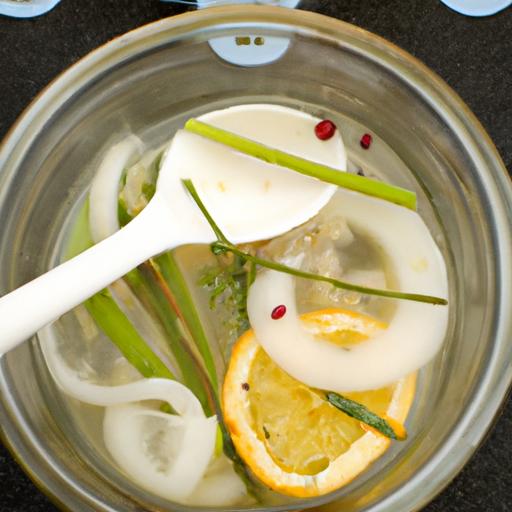


In kitchens everywhere, the magic of change often begins with humble beginnings. What if those carrot peels, celery ends, and onion skins destined for the compost could instead simmer their way into a rich, flavorful elixir? Welcome to the art of big batch veggie stock-a lasting, budget-kind ritual that turns kitchen scraps into the fragrant foundation of countless meals. From scraps to simmer, this guide will unlock the secrets of making your own vibrant veggie stock, proving that sometimes the smallest leftovers yield the most satisfying flavors.
Gathering Your Greens and Scraps for Maximum Flavor
From the very first step of making big batch veggie stock, assembling your greens and scraps with care unlocks layers of natural richness and complexity. Think beyond typical carrots and onions-this is your moment to rescue vegetable bits that might otherwise be discarded: vibrant celery leaves, woody leek bottoms, mushroom stems, wilted kale ribs, and even broccoli stalks. These humble scraps carry concentrated flavor that transforms a simple broth into a culinary gem.
Be mindful to gather only fresh, unspoiled scraps; avoid bitter, overly woody, or slimy bits. Rinse thoroughly to sweep away any lingering dirt or grit, then combine a rainbow mix of aromatic vegetables and greens. the secret to a deeply flavored stock lies in these carefully rescued ingredients, coaxing out umami and subtle vegetal notes that elevate every subsequent dish.
Balancing Aromatics and Herbs to Elevate Your Broth
Once your scraps are assembled, the layering of aromatics and herbs is where the broth’s personality truly blooms. Classic staples like garlic cloves smashed with their skins on bring warmth; fresh thyme and parsley sprigs lend herbaceous brightness, while a bay leaf adds gentle depth. To avoid muddling flavors, use whole spices like peppercorns or a tied bouquet garni, allowing easy removal after simmering.
Consider adding unexpected accents like a strip of kombu for a hint of ocean depth or a dash of fennel fronds for sweetness. This balance is essential-the goal is a cordial, inviting aroma and a broth bright enough to shine in delicate soups, yet robust enough for hearty stews.
Mastering the Simmering process for a Rich, Deep Stock
Patience is your ally in this stage. Bring your combined scraps, aromatics, and herbs to a gentle simmer in cold water, allowing flavors to infuse gradually. High heat can cause cloudy stock and bitter notes; maintain a low simmer with occasional skimming to remove foam and impurities for a clear, clean broth. Cooking time usually ranges between 1.5 to 3 hours, depending on your preferred richness.
During the simmer, resist stirring or boiling vigorously-let the flavors marry silently. For an extra layer of flavor, roast tougher vegetable scraps beforehand until lightly caramelized, then add to your pot. This step brings a subtle, savory sweetness that deepens the final stock’s character without overpowering its delicate balance.
Straining, Storing, and Using Your Veggie Stock Creatively
When your broth boasts a golden hue and inviting aroma, it’s time to strain. Use a fine-mesh sieve or cheesecloth to remove solids; pressing gently extracts every last drop of liquid gold without clouding the stock. Allow the stock to cool quickly before storing it in airtight containers or portion-sized freezer bags. Proper cooling minimizes bacterial growth, preserving freshness up to 5 days refrigerated or 3 months frozen.
The beauty of making big batch veggie stock lies in its versatility. Use it as a luscious base for risottos, soups, or simmered grains; enhance sauces, or even as a creative cooking liquid for quinoa or pasta to infuse subtle vegetable nuances. Garnish your dishes with fresh herbs or a whisper of citrus zest to highlight the depth your homemade stock imparts, turning simple recipes into unforgettable experiences.
Prep and Cook time
- Prep Time: 15 minutes
- Cook Time: 2 hours
Yield
Approximately 8 cups (64 oz) of flavorful veggie stock
Difficulty Level
Easy – Ideal for beginners and seasoned cooks alike
Ingredients
- 6 cups assorted vegetable scraps (carrot peels, onion ends, celery leaves, mushroom stems)
- 1 large onion, quartered (no need to peel)
- 2 large carrots, chopped roughly
- 2 celery stalks, chopped
- 4 garlic cloves, smashed (skin on)
- 2 sprigs fresh thyme
- 2 sprigs fresh parsley
- 1 bay leaf
- 10 whole black peppercorns
- 1 strip kombu (optional for umami boost)
- 8 cups cold water
Instructions
- Prepare your scraps: Rinse all vegetable scraps thoroughly under cool running water, removing any dirt or grit.
- Roast tougher scraps (optional): Spread root scraps and mushrooms on a baking sheet and roast at 400°F for 20 minutes until lightly caramelized for a richer flavor.
- Combine ingredients: Place all scraps, roasted or raw, into a large stockpot. Add onion, carrot, celery, garlic, thyme, parsley, bay leaf, peppercorns, and kombu if using.
- Add cold water: Pour in 8 cups cold water, ensuring scraps are fully submerged.
- Bring to a simmer: Heat slowly over medium-low heat. Once simmering, reduce to low heat to maintain a gentle simmer. Avoid boiling.
- Skim impurities: Occasionally skim off foam and scum that rises to the surface with a spoon for a clear stock.
- Simmer gently: Continue for 1.5 to 3 hours to extract maximum flavor while keeping broth clear and aromatic.
- Strain thoroughly: Remove pot from heat and strain stock through a fine-mesh sieve or cheesecloth into a clean container.
- Cool and store: Cool quickly by setting the container in an ice bath, then refrigerate or freeze in portions.
Chef’s Notes
- For a deeper umami flavor, add dried shiitake mushroom caps during simmering.
- Omit kombu if you prefer a purely land-based vegetable stock.
- Beware of strong-flavored scraps like cabbage or broccoli florets-they can add bitterness if overused.
- To prevent cloudiness, always start with cold water and avoid stirring once boiling begins.
- stock keeps up to 5 days refrigerated and freezes well in ice cube trays for convenient use.
Serving suggestions
This rich veggie stock shines as a base for hearty soups, brightens light vegetable risottos, or braises tender legumes. Garnish with a sprinkle of fresh parsley or a drizzle of fragrant olive oil to highlight your culinary masterpiece. experiment with infusing herbs like basil or dill during reheating to customize the flavor profile.

| Nutrient | Per 1 Cup Serving |
|---|---|
| Calories | 25 kcal |
| protein | 1 g |
| Carbohydrates | 5 g |
| Fat | 0 g |
For more techniques on vegetable-based broths, visit our comprehensive veggie broth guide. To deepen your understanding of flavor extraction, explore this expert resource from Serious Eats.
Q&A
Q&A: From Scraps to Simmer – Mastering Big Batch Veggie Stock
Q1: what exactly is “big batch veggie stock,” and why should I make it?
A1: Big batch veggie stock is a hearty, flavorful broth made by simmering a large quantity of vegetable scraps and aromatics. Rather of tossing your veggie peelings, ends, and bits, you transform them into a rich liquid gold that forms the foundation for soups, stews, risottos, and sauces. It’s economical, eco-friendly, and bursting with homemade goodness-plus, it reduces kitchen waste in a flavorful way!
Q2: Which vegetable scraps work best for making veggie stock?
A2: Almost any vegetable scraps can contribute, but some stars stand out: onion skins and ends, carrot tops and peels, celery leaves and stalks, garlic peels, mushroom stems, and bits of herbs like parsley or thyme. Avoid brassicas (like cabbage or broccoli) and overly starchy parts (potatoes) as they can impart bitter or cloudy flavors. The trick is to mix a variety of scraps for a complex, balanced broth.
Q3: How do I prepare scraps for a big batch stock?
A3: Gather your cleaned scraps in a freezer bag or container as you cook. When you have about 6 to 8 cups’ worth, it’s time to build broth magic. No peeling needed-just rinse off dirt! Rough chop notably large pieces so they release flavor efficiently during the simmer. Fresh herbs or a few peppercorns add a fragrant punch.
Q4: What’s the ideal simmering time for veggie stock?
A4: Simmer those scraps gently for about 1 to 2 hours. This slow extraction pulls out vibrant colors, earthy aromas, and subtle sweetness without turning the stock bitter. Avoid boiling, which can muddle flavors and cloud the stock. If you want a deeper flavor, extending simmer time up to 3 hours works, but always keep an eye so it doesn’t reduce too much.
Q5: How do I store big batch veggie stock?
A5: Once cooled, strain the stock through a fine mesh sieve or cheesecloth into airtight containers. It keeps beautifully in the fridge for up to 5 days or can be frozen in portions for 3 months or longer. Ice-cube trays are great for small amounts-pop out a cube or two when you need just a splash of flavor!
Q6: Can I customize my veggie stock for different cuisines?
A6: Absolutely! Want a Mediterranean vibe? Add sun-dried tomatoes, rosemary, and bay leaves. Craving Asian warmth? Toss in ginger peels, lemongrass, and peppercorns. The beauty of veggie stock is its versatility-tailor your scraps and herbs to complement whatever dish you’re dreaming up.
Q7: Any tips to amp up the flavor without meat?
A7: To deepen umami, include dried mushrooms, soy sauce, miso, or nutritional yeast during or after simmering. Roasting your veggie scraps beforehand can add caramelized complexity. Just remember to keep your scraps fresh and flavorful-veg that’s past its prime may yield a bland or off-tasting stock.
Q8: What’s the biggest mistake to avoid when making veggie stock?
A8: the cardinal sin is overcooking or using spoiled scraps, which can turn your stock bitter or sour.Also, don’t add salt during simmering-season your final dish later to keep the stock pure and flexible. Lastly, avoid anything too pungent or overpowering on its own, like too much garlic or strong brassicas, to preserve harmony in your broth.
Q9: How can I incorporate my homemade veggie stock into everyday cooking?
A9: Almost anywhere you’d use water-soups, grains, braises, sauces-is an opportunity to swap in your veggie stock. It enriches flavor without heaviness and boosts nutrition. Keep some on hand for last-minute recipes that need liquid love-instant magic in a pot!
Q10: Why is making stock from scraps considered sustainable?
A10: This practice closes the food loop by preventing perfectly good scraps from landing in the landfill, reducing waste and methane emissions. It maximizes ingredient value, saving money and resources. Each batch of homemade stock is a delicious, mindful nod to sustainable cooking-and a tasty step toward a greener kitchen.
transform your kitchen scraps into simmering treasure, and watch how “From Scraps to Simmer” turns humble bits into flavor superheroes. Your soups-and the planet-will thank you!
In Retrospect
As the rich aromas of your homemade veggie stock fill the kitchen, you’ll realize that what once seemed like mere scraps has transformed into a flavorful foundation brimming with potential. From humble peelings and stems to a simmering pot of liquid gold, big batch veggie stock is not just a recipe-it’s a celebration of resourcefulness and sustainability. So next time you toss out those odds and ends, remember: in the world of cooking, every leftover has a story, and every stock is a chance to nourish both body and planet. Happy simmering!