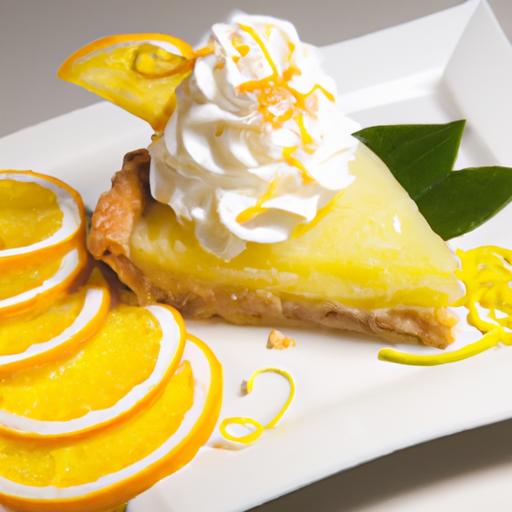

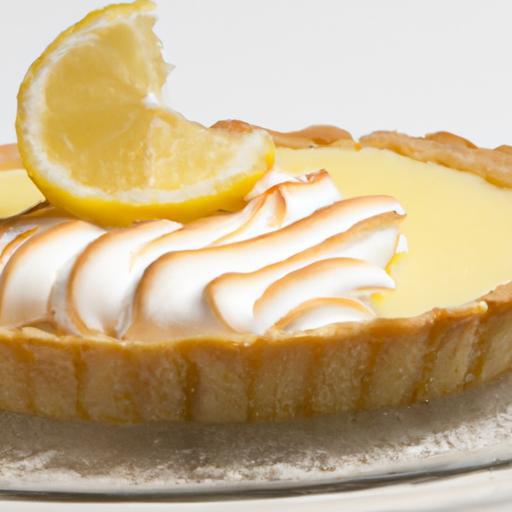
There’s something undeniably enchanting about a lemon tart-the way its vibrant, sunlit hue instantly awakens the senses, and how its perfect balance of tangy zest and buttery sweetness creates a symphony on the palate. Behind each flawless slice lies a delicate interplay of art and science, where precision meets creativity to transform humble ingredients into a dazzling dessert. In “Zesty Delight: The Art and Science of Lemon Tart Making,” we journey through the origins, techniques, and secrets that elevate this classic treat from simple citrus custard to a culinary masterpiece. Whether you’re a seasoned baker or an adventurous beginner, prepare to unlock the mysteries of texture, flavor, and technique that make the lemon tart a timeless delight.
Zesty Delight: The Art and Science of Lemon Tart Making
Zesty Delight is more than just a citrus treat – it is indeed a harmonious balance between the crisp, buttery crust and the vibrant, tangy lemon filling that brings every bite alive. Originating from classic French patisserie traditions, the lemon tart captivates with its fresh zest and silky texture, inviting both novice bakers and seasoned chefs to master its layers of flavor and structure.
Prep and Cook Time
- Preparation: 30 minutes
- Chill Time: 1 hour (for crust)
- Baking: 25-30 minutes
- Cooling & Setting: 2 hours
Yield
Serves 8 elegantly sized slices, perfect for gatherings or a sophisticated family dessert.
Difficulty Level
Medium – ideal for bakers looking to elevate their tart making with precise timing and zestful flavor balance.
Ingredients
- For the Crust:
- 1 ¼ cups all-purpose flour, sifted
- ½ cup unsalted butter, cold and diced
- ¼ cup granulated sugar
- Pinch of salt
- 1 large egg yolk
- 2-3 tbsp ice-cold water
- For the Lemon Filling:
- 1 cup fresh lemon juice (about 4-5 lemons)
- Zest of 2 medium lemons
- ¾ cup granulated sugar
- 4 large eggs
- 4 tbsp unsalted butter, cubed and softened
- Pinch of salt
Instructions
- Prepare the crust: In a large mixing bowl, combine flour, sugar, and a pinch of salt. Cut in the cold butter using your fingers or a pastry cutter until the mix resembles coarse crumbs. add the egg yolk and gradually incorporate ice-cold water-one tablespoon at a time-until dough just comes together.
- Form the dough into a disk, wrap in plastic, and chill in the refrigerator for at least 1 hour. This resting period is vital for a firm, flaky crust foundation.
- Blind bake the crust: Roll out the chilled dough to about 1/8 inch thickness on a lightly floured surface. Press evenly into a 9-inch tart pan with a removable bottom, trimming excess edges. Chill again for 15 minutes to prevent shrinking.
- Preheat the oven to 350°F (175°C). Line the tart shell with parchment paper and fill with pie weights or dried beans. Bake for 15 minutes, then remove weights and parchment. Continue baking another 10 minutes until the crust is golden and dry to the touch. Allow to cool slightly.
- Make the lemon filling: In a medium saucepan, whisk together fresh lemon juice, zest, sugar, and eggs over medium-low heat. Stir constantly until the mixture thickens slightly-about 5-7 minutes-but do not let it boil to preserve the silkiness.
- Remove from heat and whisk in softened butter and a pinch of salt until fully incorporated and smooth. This step enriches the filling and balances the citrus brightness.
- Pour the lemon curd into the baked crust, smoothing the top with an offset spatula. Return the tart to the oven for 8-10 minutes at 325°F (160°C) to set the filling without curdling it.
- Remove from oven and allow to cool to room temperature. Chill in the refrigerator for at least 2 hours before slicing to achieve that perfect silky-smooth texture.
Tips for Success
- Use fresh lemons for juice and zest – bottled juice loses essential aroma and brightness.
- Containing the crust with parchment and weights during blind baking prevents puffing and ensures an even base.
- Whisk filling gently and constantly on low heat to avoid scrambling the eggs, ensuring that signature smooth custard.
- For an added flavor dimension, fold in finely chopped fresh herbs like thyme or basil to the filling.
- The tart tastes best when chilled overnight; flavors meld and texture becomes luxuriously firm.
Serving Suggestions
Slice the tart carefully with a warm knife to prevent cracking. Garnish with a sprig of fresh mint or edible flowers for a pop of color. A light dusting of powdered sugar adds a delicate sweetness and visual charm. Pair this zesty delight with a dollop of freshly whipped cream or a scoop of vanilla bean ice cream for a contrast of temperature and creaminess.

Nutritional Information (per serving)
| Calories | Protein | Carbohydrates | Fat |
|---|---|---|---|
| 320 kcal | 5 g | 34 g | 18 g |
For a deeper dive into classic tart crust techniques, visit our Complete Pastry Crust Guide. to explore citrus pairings, see the authoritative tips at Serious Eats Lemon Baking Guide.
Q&A
Q&A: zesty Delight – The Art and Science of Lemon Tart Making
Q1: What makes a lemon tart truly remarkable?
A1: An exceptional lemon tart is a harmonious balance of crisp, buttery crust and a vibrant, velvety lemon filling. The crust should be sturdy enough to hold the filling yet tender enough to melt in your mouth. The filling, bursting with shining citrus zing, must strike the perfect balance between tartness and sweetness, leaving a refreshing, lingering finish.
Q2: Why is the crust such a crucial component in lemon tart making?
A2: Think of the crust as the stage upon which the lemon’s vibrant flavors perform. A well-crafted crust provides texture contrast and a buttery foundation that complements the sharpness of the lemon. The science lies in achieving the right flour-to-fat ratio and chilling time, ensuring flakiness without crumbling, and preventing sogginess when the tangy filling is poured in.
Q3: What scientific tricks help achieve that silky smooth lemon filling?
A3: The secret lies in the delicate balance of eggs, sugar, and citrus juice. Eggs act as natural thickeners-when heated gently, their proteins coagulate, transforming the liquid mixture into a smooth custard. Controlling heat is critical; too high, and the filling curdles, too low, and it won’t set. Adding a touch of zest enhances aromatic oils, intensifying the citrus symphony with every bite.
Q4: Can the acidity of lemons interfere with the tart’s texture?
A4: Absolutely! Lemon juice is highly acidic, which can sometimes cause the eggs in the filling to curdle if overcooked or overwhisked. This is why precision and timing are essential. Moderating the cooking temperature and stirring gently help maintain a luscious, uniform custard without a single grain out of place.
Q5: Are there creative ways to personalize a classic lemon tart?
A5: the canvas is wide open! Try infusing the crust with ground nuts like pistachios or almonds for an earthy twist. Adding a hint of herbs like thyme or basil into the lemon custard introduces a fragrant complexity. For an artistic flourish, top with torched meringue, fresh berries, or edible flowers to delight both eyes and palate.
Q6: What is the best way to serve and store a lemon tart?
A6: Serve your lemon tart chilled or at room temperature to let the flavors shine fully. A brief chill stabilizes the filling but refrains from muting the citrus brightness. Store leftovers in an airtight container in the refrigerator for up to three days. Avoid freezing, as the texture of the custard may suffer upon thawing.
Q7: Why does mastering lemon tart making feel like an art and a science?
A7: As it demands precision and creativity in equal measure. Science governs the chemistry of ingredients and heat, ensuring the perfect texture and flavor balance. art steps in through the selection of quality produce, the finesse of technique, and the personal touches that transform a humble tart into a memorable culinary experience. Together, they create a zesty delight that dances on your tongue and warms your heart.
Future Outlook
As the final slice of your lemon tart disappears, what remains is more than just an empty plate-its a testament to the harmony of art and science working in tandem. The zesty pop of citrus, the buttery embrace of a perfectly baked crust, and the delicate balance of sweetness and tartness all tell a story of careful technique and creative flair.
Whether you’re a seasoned baker or a curious enthusiast, mastering the lemon tart invites you to explore the alchemy of ingredients and the joy of exact measurements transforming into pure delight. So next time you whisk, fold, or zest, remember: each step is a brushstroke on your culinary canvas, crafting a masterpiece that’s as vibrant and bright as the lemons themselves.